A video lands on Teye Maxwell Kwesi Assumah’s phone that looks, at first, like a hundred others before it, and within minutes the messages start: people asking whether Accra Hype (opens in a new tab) has seen it, other pages already reposting it, the view count climbing before he has even decided whether to publish it himself.
“There is the question of whether it is genuine,” he said. “Then someone involved in the story calls asking for the post to be removed. At the same time, another story is developing and thousands of people are waiting for an update.”
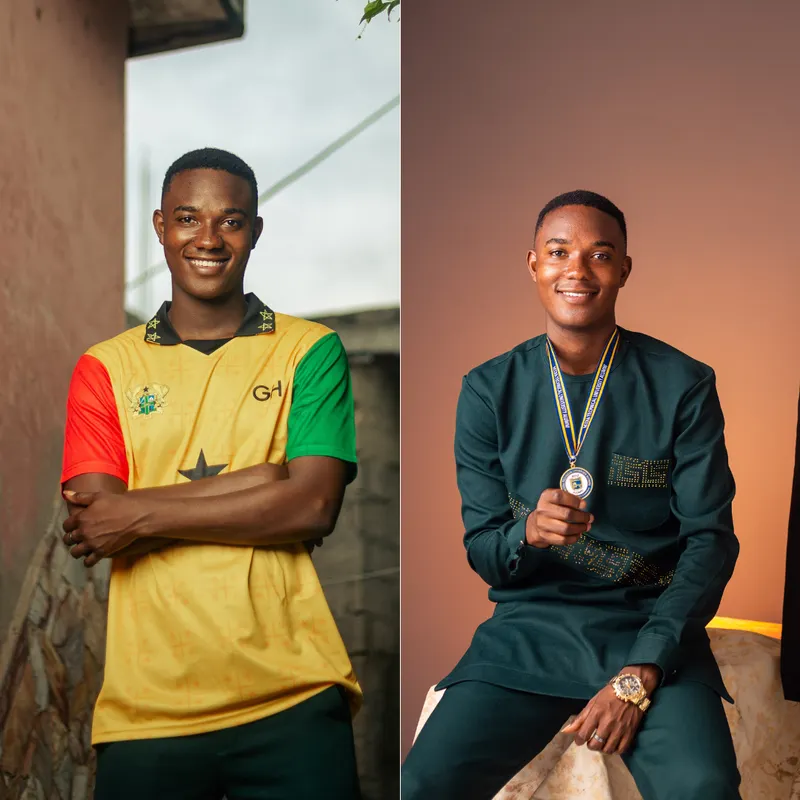
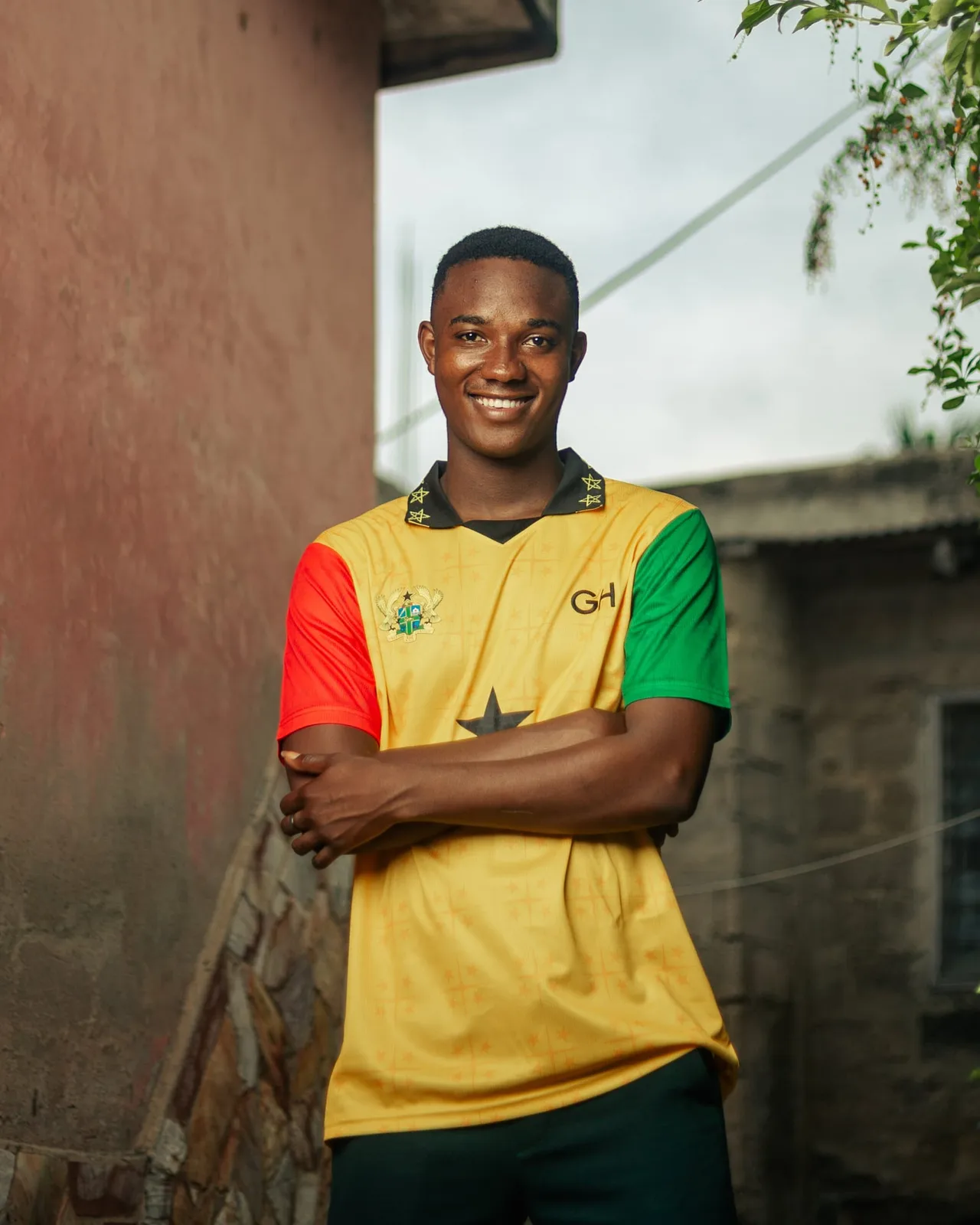
That is an ordinary day for Accra Hype, the page Mr Assumah, 24, started almost by accident in December 2024, during Ghana’s general election. He had no staff beyond a friend helping with the technical side and no ambition beyond covering the vote as it happened. He called it, at the time, simply “news for the election.”
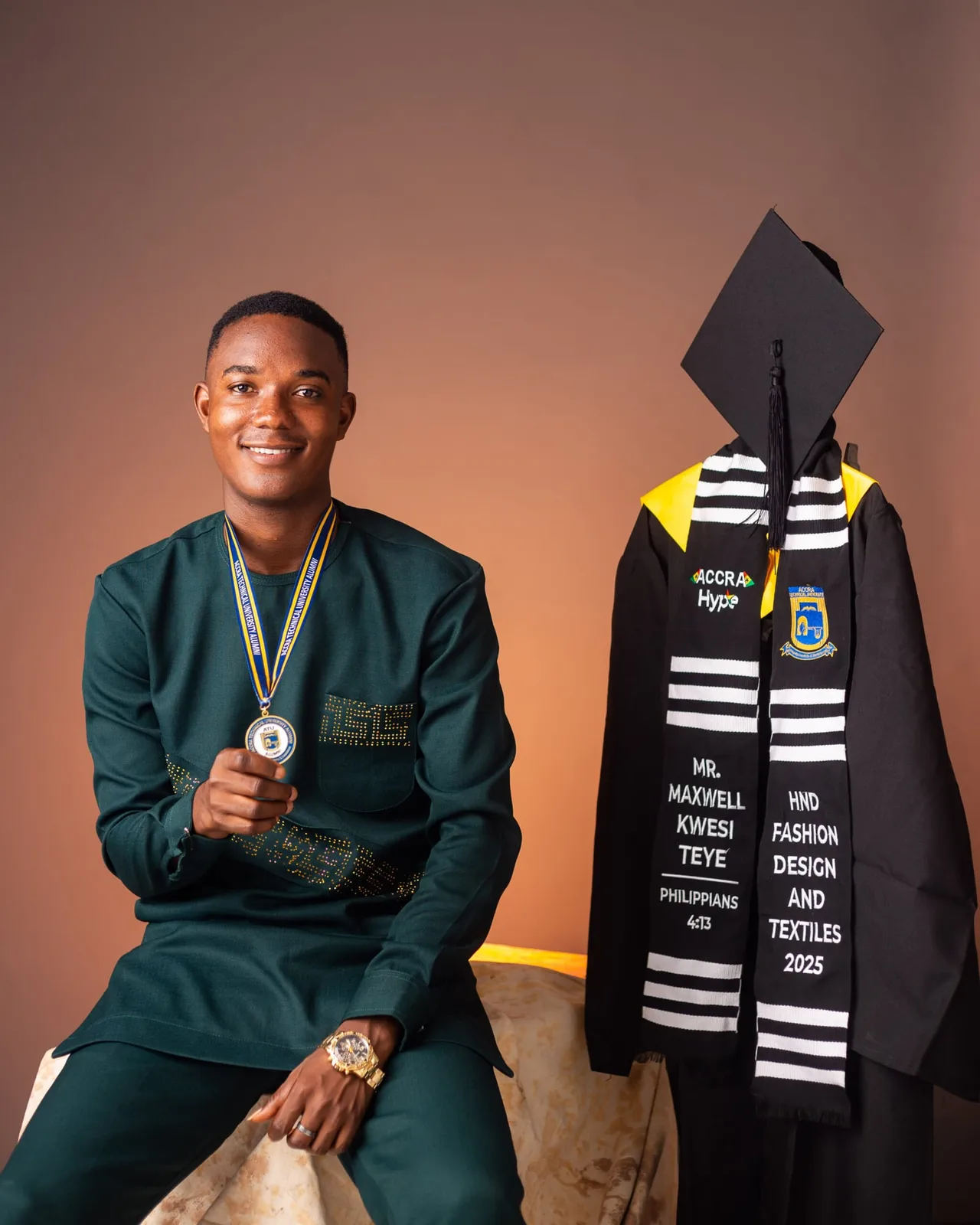
Mr Assumah was born in Teshie, a coastal suburb of Accra, on June 16, 2002, and studied at Juapong D/A R.C. Basic School and Teshie Technical Institute before enrolling at Accra Technical University to study fashion design and technology, a field he calls a way of making an idea real. Media was barely something he thought about before then.
The election coverage did not stay election coverage for long, widening within months into entertainment, culture and viral moments. A partner, Kekeli Emmanuel, built out the technical side that keeps six platforms running at once, while Mr Assumah runs the editorial side alone, and the two now work with brands and public figures who treat the page as worth showing up for.
A clip of a demolition in Osu, one of the first videos the page filmed and published itself rather than reposted, reached 5.4 million views on TikTok, a sign the page had become a source people checked first. Footage of the musician Tiwa Savage at last year’s Taste of Culture festival cleared four million views on its own. The page has drawn more than 27 million likes and roughly 50 million views on TikTok altogether, with 1.18 million followers there and another 338,000 on Facebook (opens in a new tab).
On TikTok, Mr Assumah said, Accra Hype draws about 20 million impressions and 12 million engagements, meaning likes, comments and shares, a month.
What matters more to him is the gap between those two numbers: the difference between someone scrolling past a clip and someone stopping to react to it.
About 99 percent of what the page posts, Mr Assumah said, his small team films and publishes itself, arriving while news is still unfolding rather than relying on someone else’s footage. “The pressure is to be first, because being late can mean the story has already passed its peak,” he said. “But being first with something that turns out to be false or misleading can be even worse.” Once something is posted, people connected to the story start reaching out, some wanting an explanation, others wanting it taken down. “One mistake in a caption, name or detail can create a completely different story,” he said, “especially when something is already going viral.”
That tension is not unique to him. Only 26 percent of Ghanaians now say they trust news from social media, a 12-point drop in two years, according to the most recent Afrobarometer survey, and the African Centre for Strategic Studies has tracked at least 39 African countries targeted by coordinated disinformation campaigns. Filming and checking most of what the page posts himself, rather than relying on secondhand footage, is Mr Assumah’s improvised version of what a formal newsroom would call editorial policy, in a climate where a wrong name or an unverified claim does more than embarrass one account.
What he wants understood, Accra Hype said, is that there is a person behind those decisions, not simply a page that reports on its own. Someone has to decide what deserves attention, what needs checking before it goes up, and what should never have gone up at all. Few people in Ghana, he said, have not come across Accra Hype on TikTok. Fewer still think about who is behind those decisions.
His own plans, though, point somewhere else. Mr Assumah does not see his goal as building a bigger media company, but as establishing himself within Ghana’s fashion and creative industries, the field he set out to study before an election turned him into a publisher instead. At 24, with a fashion degree still unfinished and a page reaching millions of people a month, there is, by his own account, still real distance between where he stands and where he wants to end up.
#HowToRunIt is a Braperucci Africa series documenting the Ghanaian entrepreneurial journey, the decisions, the setbacks, the financial lessons and the years of work that rarely make the headlines. Every story in this series is researched and written from publicly available information and verified sources. We welcome entrepreneurs who want to share their own story and the lessons behind it. Reach us at [email protected] /[email protected]