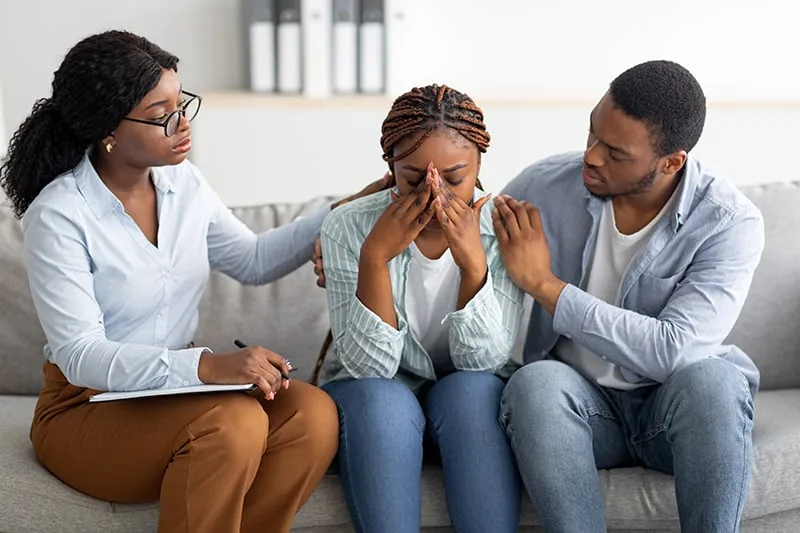
Pain and soreness around the wound are normal in the first weeks, and most women need pain medicine for the first few days to two weeks. It’s worth asking your doctor which painkillers are safe if you are breastfeeding.
Most mothers can return to their regular activities within four to eight weeks, but every body heals at its own pace, so it helps to know what to do and what to avoid along the way.
Move a little, rest a lot
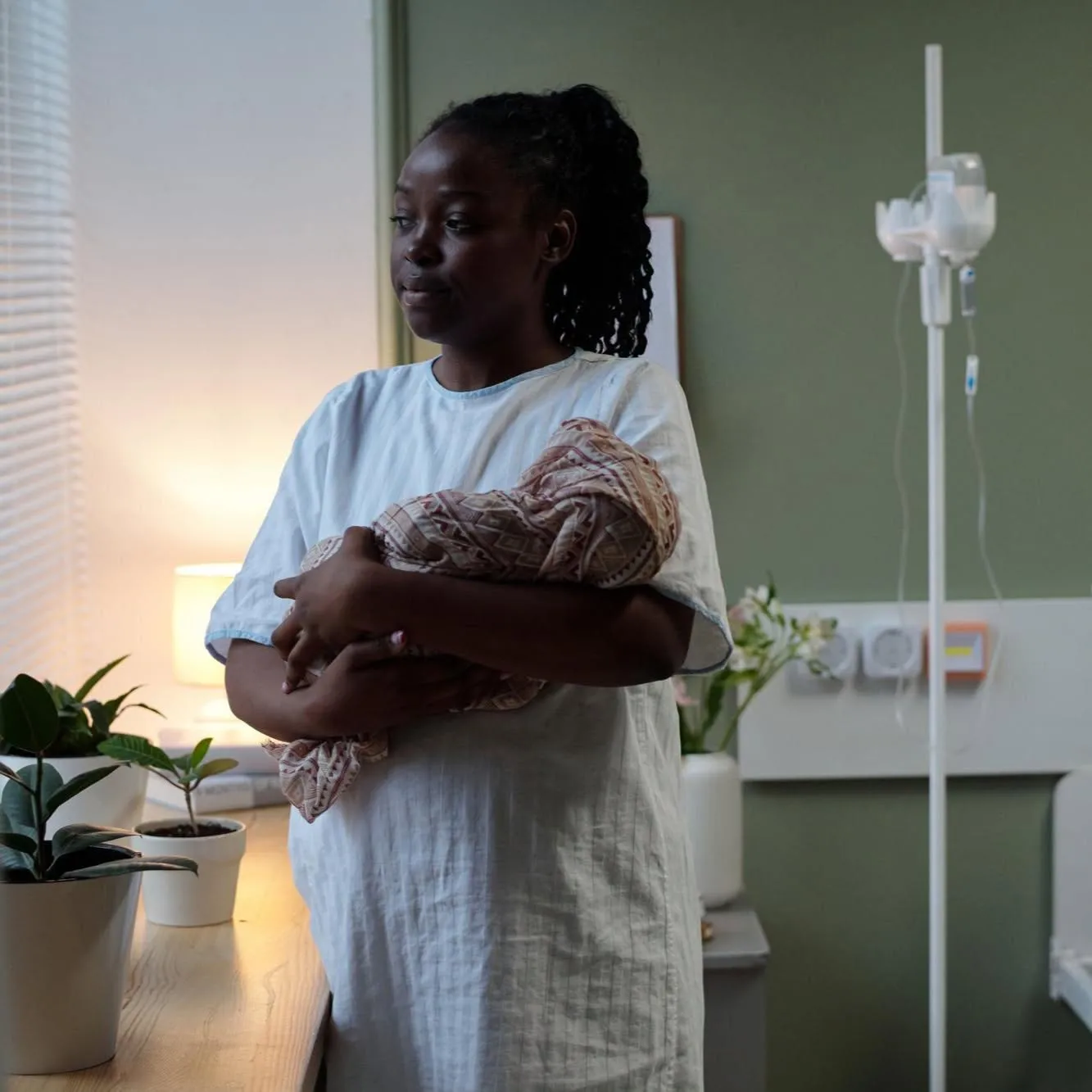
Walking every day, even if it’s only short walks around the house, helps prevent blood clots and constipation, but you should stop before you get exhausted and rest whenever your body asks for it.
For the first six to eight weeks, avoid lifting anything heavier than your baby and stay away from jogging, sit-ups and heavy housework.
When you need to cough or laugh, holding a pillow over your incision will ease the pressure on the wound. This is also the time to accept help from family and friends, whether they are watching the baby while you nap or taking the laundry off your hands.
Take care of the wound
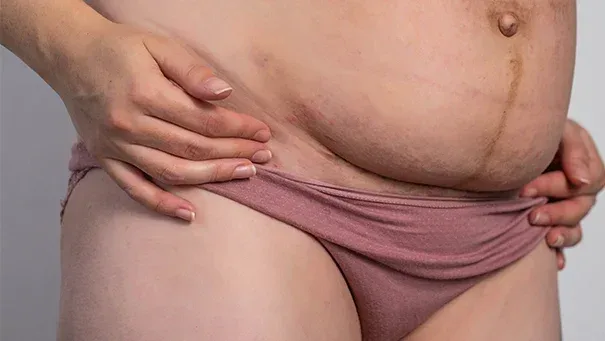
Once your doctor or nurse explains how to care for your incision, follow their instructions closely.
Showers are fine, but wash the area gently with mild soap and water, without scrubbing, and pat it dry afterwards.
If your wound was closed with strips or glue, leave them alone, because they usually fall off on their own within a week or so.
Hold off on soaking in a bathtub or hot tub, or swimming, until your doctor says it’s safe, which is usually about three weeks after surgery.
Feed your body well

Your body needs good nutrition to heal, so eat balanced meals with plenty of fruits and vegetables and drink enough water throughout the day. Smaller meals eaten more often, with healthy snacks in between, can be easier to manage in the early weeks.
If constipation is a problem, ask your doctor before taking a laxative or fibre supplement.
This isn’t the time to worry about losing the baby weight, and your doctor can tell you when it’s safe to start.
Some things can wait

Avoid driving for at least two weeks, and don’t drive at all while you are taking strong pain medicine or still feel weak.
Couples should wait at least six weeks before having sex again, and it’s a good idea to talk to your doctor about contraception before you leave the hospital.
Know when to see a doctor
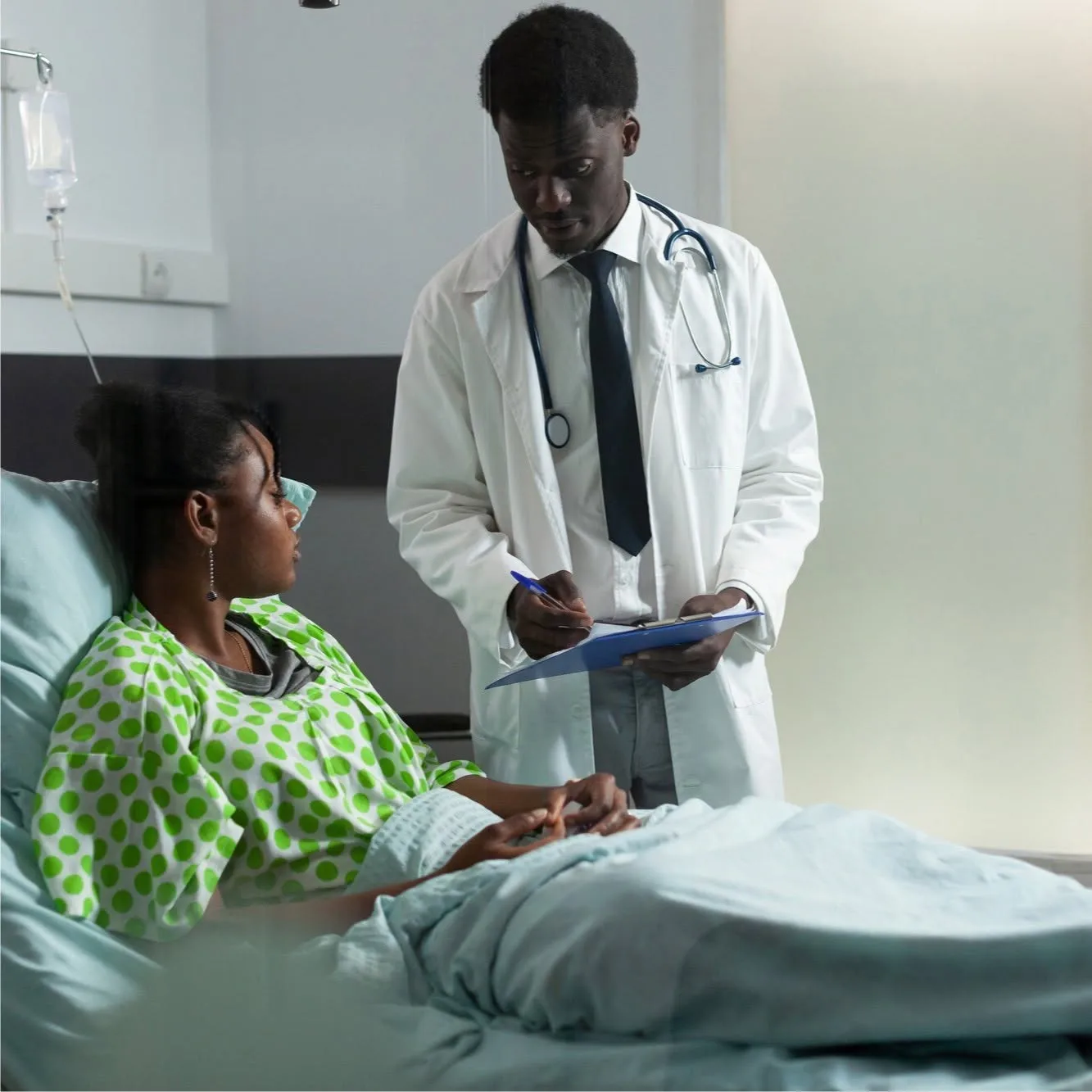
Some signs mean you should contact your doctor or go to the hospital without waiting:
- redness, warmth, swelling or discharge around the incision, or a wound that opens up
- a fever that won’t go away
- belly pain that keeps getting worse
- vaginal discharge that becomes heavier or smells bad
- bleeding that is still heavy after four days, or that passes large clots
- swelling, redness or pain in one leg, which can be a sign of a blood clot
- a headache that won’t go away, blurred vision, or sudden swelling in your face and hands
- Feeling very sad or withdrawn, having trouble caring for yourself or your baby, or having thoughts of harming yourself or your baby
Taking care of yourself after a C-section matters just as much as taking care of your newborn, so rest when you need to and don’t hesitate to see your doctor when something doesn’t feel right.