Ask most Ghanaians to picture mental illness, and they will describe a man/woman walking naked by the roadside, talking to no one in particular.
That image is so fixed in our minds that we often miss mental illness when it shows up in our own homes, looking far more ordinary than we expected.
It could be the friend who sleeps through entire weekends and keeps saying she is just tired, or the uncle whose evening “small tot” has quietly turned into a bottle nobody in the family mentions.
Because it does not look like the picture we carry, we explain it away. We call it laziness, stress or a spiritual attack, and we tell the person to pray harder, rest more or get over it. By the time anyone admits something is wrong, the condition has often had months, sometimes years, to grow.
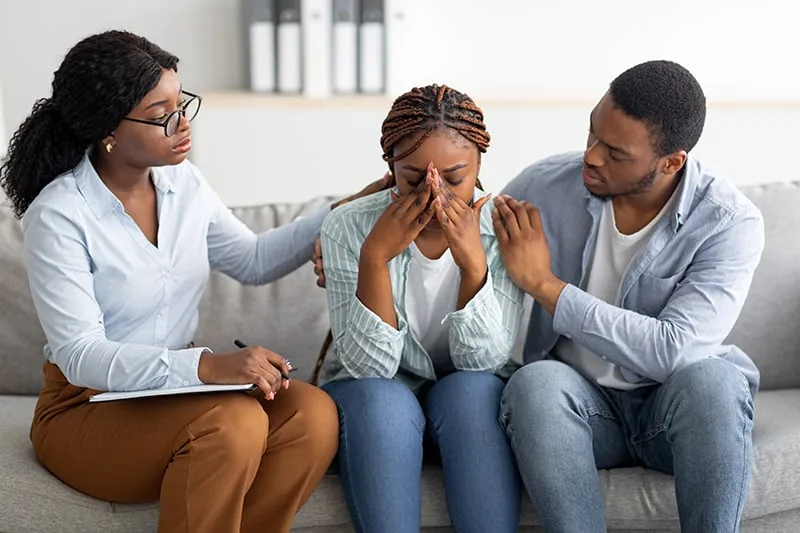
Whatever it looks like, what happens next is often the same. You think about telling someone, but you already know what your family will say: pray about it. So you keep quiet, and the longer you keep quiet, the heavier it gets.
When you finally gather the courage to call the helpline, nobody picks up, or the person who answers makes you feel worse for calling.

For many Ghanaians, this is what living with a mental health condition looks like in 2026. Ghana has a Mental Health Act, a Mental Health Authority and a Health Minister who says mental health can no longer be treated as secondary, yet getting help is still so hard that many people stop trying.
According to the Mental Health Authority (MHA), 36,196 cases of five mental health conditions were recorded across Ghana between January and June 2026, up from 29,782 in the same period last year.
Schizophrenia and related disorders accounted for 15,193 of these cases, followed by epilepsy, depression, alcohol-use disorders and bipolar disorder.
The real number is likely much higher, because the Authority’s figures only count people who went to a facility for treatment. An estimated 2.3 million Ghanaians are living with mental health conditions, and only about 2% receive formal treatment. “We can no longer afford to treat mental health as secondary,” Health Minister Kwabena Mintah Akandoh said in July last year.
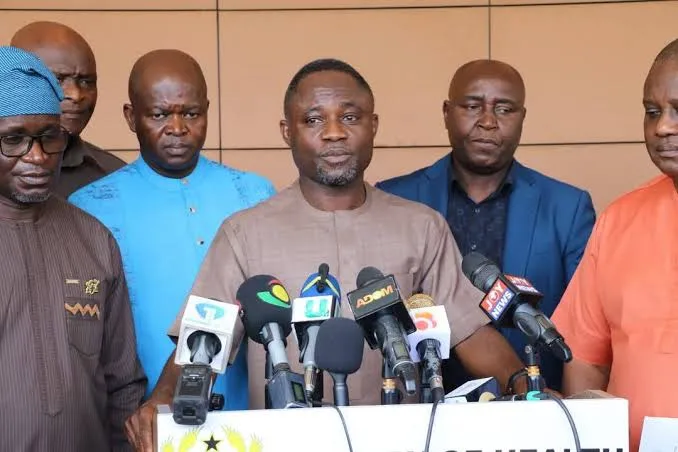
The minister has promised to integrate mental health into primary healthcare, build mental health hospitals in the north, resource the Accra and Pantang psychiatric hospitals and set up district-level mental health hotlines.
However, according to the Mental Health Society of Ghana, the Mental Health Fund created under the Mental Health Act, 2012, still has no money in it.
According to a JoyNews report, Parliament’s Public Accounts Committee this month cleared a GH¢33,100 debt owed to Pantang Hospital for treating people with mental health conditions taken off the streets.
For many Ghanaians, getting help is still a struggle. In a post on X seen more than 95,000 times, one user said they tried calling the suicide helpline in June and the “number could not be reached.” Another replied that the Mental Health Authority’s number works, but “the staff needs sensitivity training.” The BBC also reported this month that many people with mental health problems turn to prayer camps, where residents are still chained despite a government ban.
Attempted suicide was decriminalised in 2023, and more Ghanaians are speaking openly about their mental health. The issue remains that not much education or support exists, especially in a country where a culture of silence around mental health persists.
So what would help?
Mental health experts say much of it comes down to money. The Mental Health Fund was created to pay for care, research and staff, but with nothing in it, the Authority cannot expand services outside the big psychiatric hospitals. Prof Pinaman Appau, a former chief executive of the MHA, has pushed for the Authority to be allowed to buy medicines directly, warning that “without financial resources, it is impossible to expand community mental health services.”
Enforcing the law would help too. The Mental Health Act requires visiting committees in every region to inspect facilities, including prayer camps, but by 2022 Human Rights Watch found only five regions had set them up. Since many families go to prayer camps before they go anywhere else, some researchers believe working with them makes more sense than shutting them out. A 2020 study in Kumasi and Ibadan found that patients did better when traditional and faith healers were trained to work with primary health workers.
How people are treated when they finally ask for help matters as much as any policy. MHA Deputy Chief Executive Dr Vivian Dadzie has urged health workers to offer compassionate care, and the district hotlines the minister promised will only help if the people answering them are trained to listen.
For the rest of us, it can be as simple as checking on the friend who has gone quiet and hearing them out before telling them to pray about it.