Long before Ghanaian films landed on Netflix, filmmakers in this country were telling stories about love, ambition, faith and the price of forgetting where you come from, often with very little money and equipment that would make today’s directors laugh.
Some of these films changed how Ghana made movies, and others simply stayed with the people who watched them. These seven are a good place to start.
1. I Told You So (1970)
Written and directed by Egbert Adjesu, I Told You So is a satire about a young woman who, on the advice of her mother and uncle, marries a wealthy and powerful man she barely knows, only to discover that he is an armed robber. When it all falls apart, her father has just one thing to say, and it gives the film its title. Bob Cole and Margaret Quainoo star, and the film was distributed by the Ghana Film Corporation.
2. Love Brewed in the African Pot (1980)
Kwaw Ansah’s first feature is widely regarded as the first privately financed Ghanaian feature film. Set in colonial Ghana, it follows Aba, the daughter of a retired civil servant, who falls in love with Joe, a mechanic and the son of a fisherman, against the wishes of her father, who has already chosen a husband for her. It even earned a positive review in The New York Times.
3. Kukurantumi: The Road to Accra (1983)
King Ampaw’s Kukurantumi follows a truck driver who works the route between Accra and the quiet town of Kukurantumi. Desperate for money to replace his truck, he sells stolen watches and promises his daughter in marriage to a wealthy merchant, but she runs off to Accra with her boyfriend, only to find that city life is not what she imagined. Starring Evans Oma, Amy Appiah and David Dontoh, it is reported to be one of the first Ghanaian films to be shown on television across several European countries.
4. Zinabu (1987)
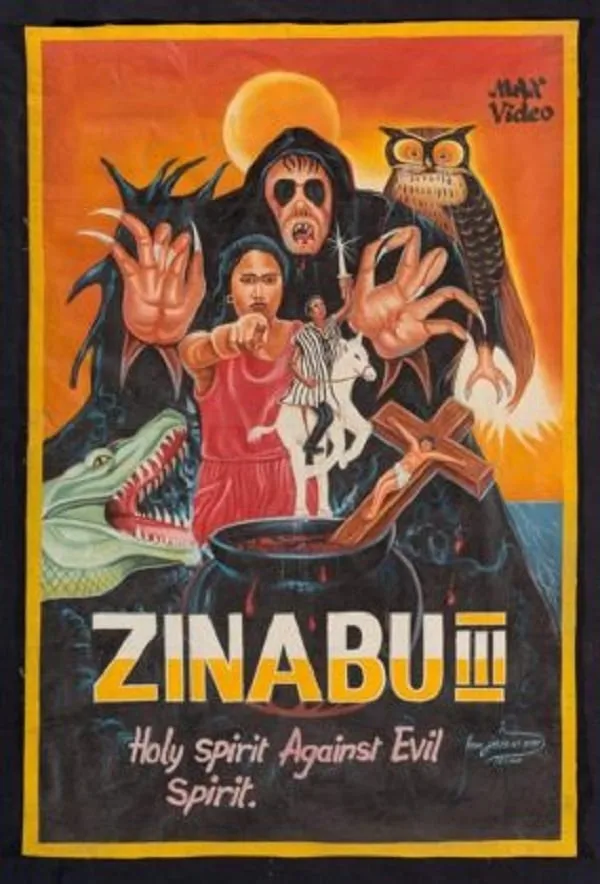
Zinabu, made by William Akuffo and Richard Quartey, was the first Ghanaian feature produced on video rather than film. Shooting on video was much cheaper than film stock, and its success helped open the floodgates, as Ghana went from two video films in 1988 to more than 50 in 1993.
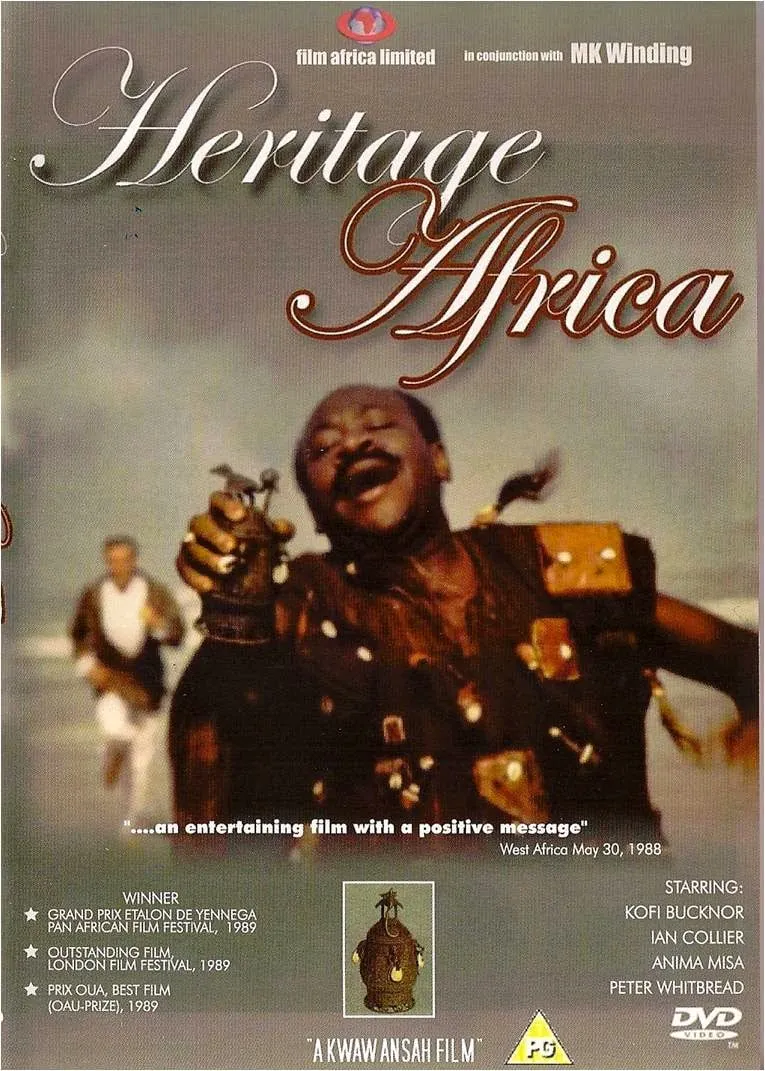
5. Heritage Africa (1989)
Kwaw Ansah returned with the story of Kwesi Atta Bosomefi, a colonial-era civil servant who climbs the ranks by pleasing his colonial bosses, changing his name to Quincy Arthur Bosomfield and turning his back on his own culture. The film won the Étalon de Yennenga, the top prize at FESPACO in 1989, becoming the first film from an English-speaking African country to win it.
6. Diabolo (1992)
If you grew up in the 90s, you probably heard about “Diabolo Man” before you ever saw the film. Directed by and starring Bob Smith Junior, Diabolo tells the story of a man who can turn into a serpent and uses his power to prey on women. It became one of the most talked-about films of the video era and has since been studied for the way it reflects Pentecostal influence on Ghanaian cinema.
7. Kumasi Yonko (2002)
If you watched Ghanaian films in the early 2000s, you probably remember Kumasi Yonko. It was also one of the films that made Nana Ama McBrown a household name, as she played Yaa Akyaa in one of the roles that brought her into the mainstream.
8. Asoreba (2007)
Asoreba brought together three of Kumawood’s biggest names, Agya Koo, Mercy Asiedu and Nana Ama McBrown. It is often credited with cementing the “Nana Ama” name that fans still call McBrown today.
9. The Perfect Picture (2009)
Shirley Frimpong-Manso’s The Perfect Picture follows three women approaching thirty as they deal with a troubled marriage, an affair and the search for love. With a cast that included Jackie Appiah, Lydia Forson, Naa Ashorkor, Joselyn Dumas, John Dumelo and Chris Attoh, it captured a new, polished, urban side of Ghanaian film and was popular enough to get a sequel ten years later.
10. Sinking Sands (2010)
Leila Djansi wrote, directed and produced Sinking Sands, the story of Jimah and Pabi, a couple whose marriage turns violent and abusive after Jimah is disfigured in an accident at home. Starring Jimmy Jean-Louis and Ama Abebrese, the film won three awards at the 2011 Africa Movie Academy Awards, including Best Screenplay, from nine nominations.