


Gilbert Asante has shaped a visual language that feels unmistakable, quiet and deliberate,
rooted in the world that raised him. His images travel far while carrying the rhythm of home.
For this edition, I spoke with him about his latest work for Made by Africa, Loved by the
World, the campaign that recently earned a Global Entertainment Marketing Award.
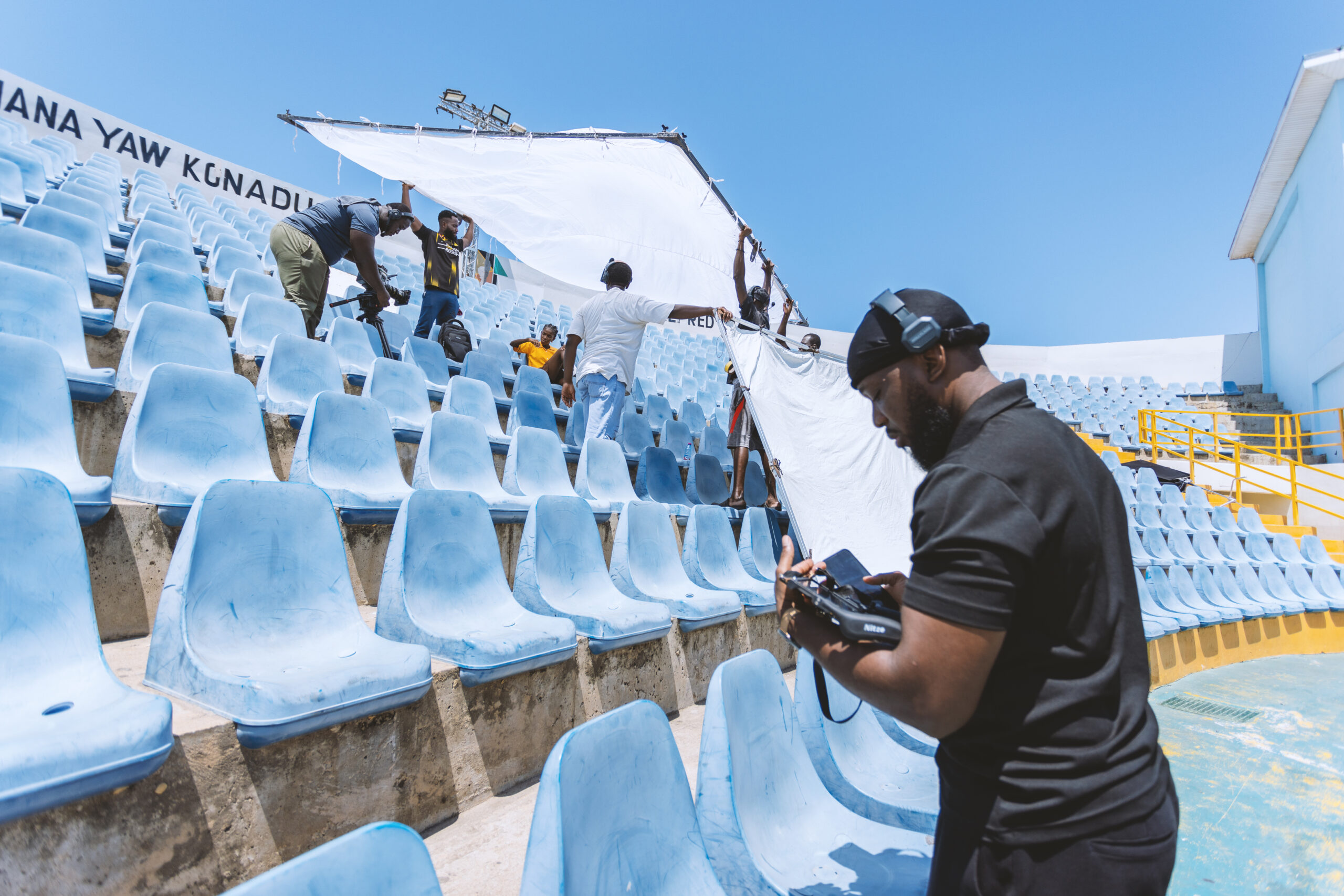
The project sits within Meta’s broader celebration of African creativity. As Kezia Anim-Addo,
Communications Director for Africa, the Middle East and Turkey, explains, the campaign
highlights talent that “casts a light on our African culture and connects us to the world,”
showing how culture and social platforms spark real connection and inspiration.
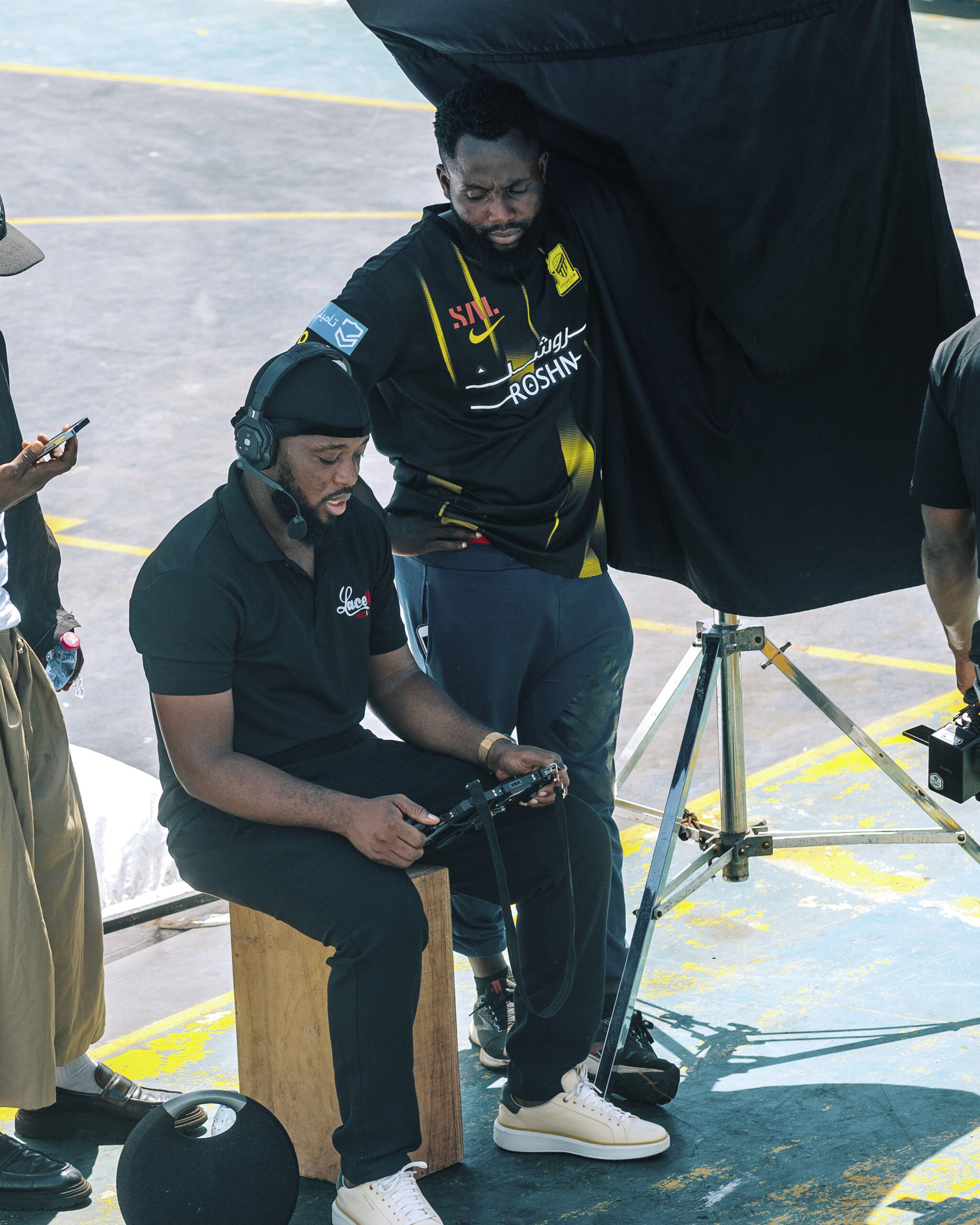
Our conversation moved through the things that guide Gilbert’s craft: the pull of culture, the search for honest images, and the partnerships that shape his visual language. He spoke about working with Lisa Quama, the blend of long exposure and frozen moments, the early
moodboard sketches built with Meta AI, and the community of collaborators who ground his
work.
This interview is a look at how he builds, why he builds, and how African artists continue to
push the conversation forward.
This campaign celebrates the fusion of culture and creativity across Africa.
READ MORE: FocusnBlur lead photographer and Graphic designer, PKDCB is our inspirational man of the week
What does Where Culture Meets Connection mean to you as an artist and storyteller?
For me, it speaks to how our stories move. I am Ghanaian, and my work starts from that
place, but connection is what lets that story reach people anywhere. When something is
honest, it travels. So the phrase reminds me that culture is not static. It grows, it shifts, it
meets people wherever they are.
How did your collaboration with Lisa Quama come together, and what was the central idea you both wanted to communicate through your film?
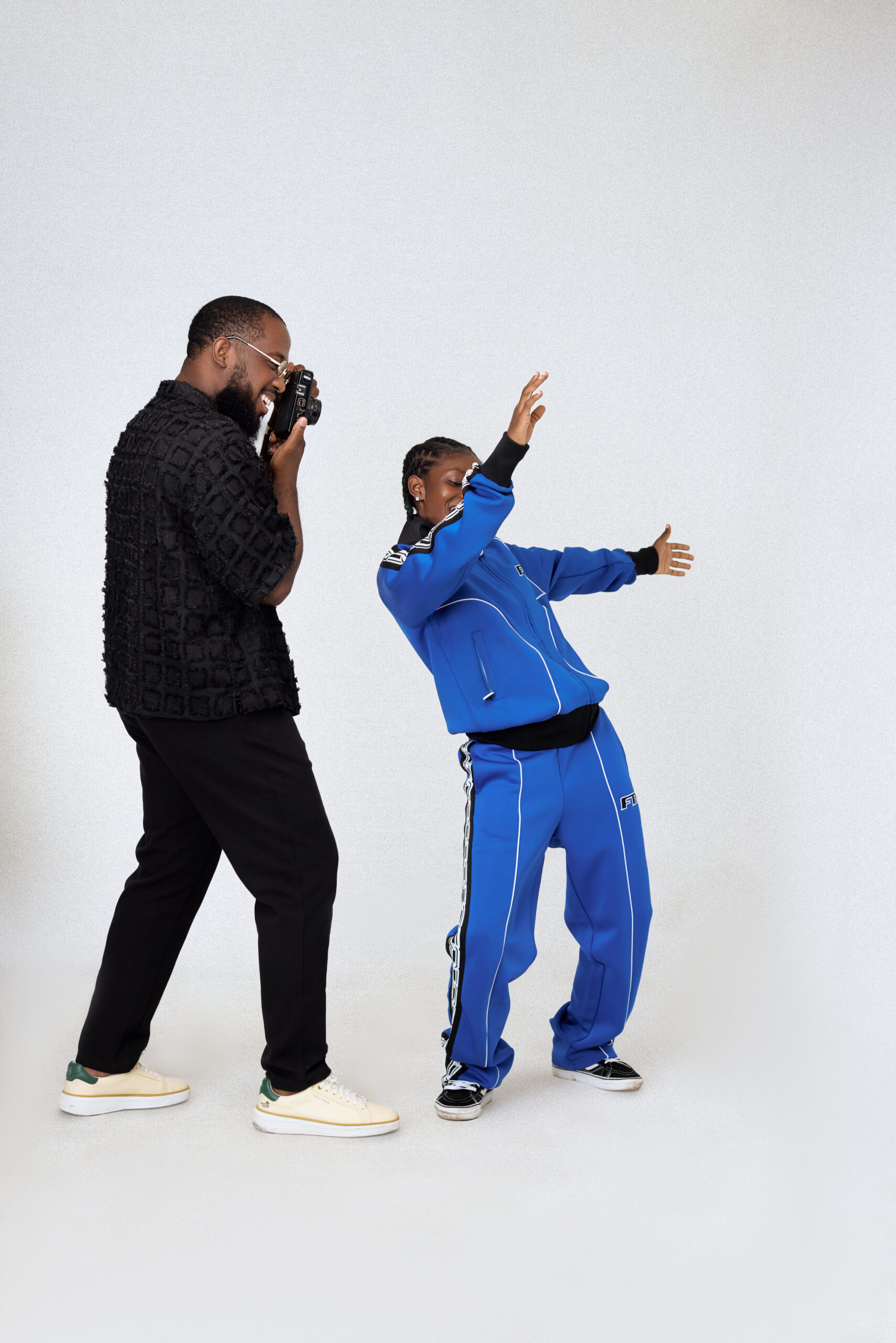
Lisa and I connected very naturally. I have always admired how she tells stories through
movement. She has a quiet power that fits the kind of films I like to make. From the start, we kept circling one idea: how do we show an African story that feels intimate but still modern and open? The film became a conversation between us.
It was about honouring where we come from, but presenting it in a way that feels
contemporary and globally resonant.
Your work always carries a distinctive visual rhythm and attention to cultural detail. What guided your creative approach for this project?
I wanted the film to feel alive. A lot of my visual language comes from Ghana. The textures, the light, the way people move through space. With this project, I held on to those elements but refined them. Cleaner. More focused. I kept asking myself how to stay grounded without feeling limited. The rhythm came from Lisa’s movement. The cultural detail came from intention. Nothing forced. Nothing dressed up. Just honest images.
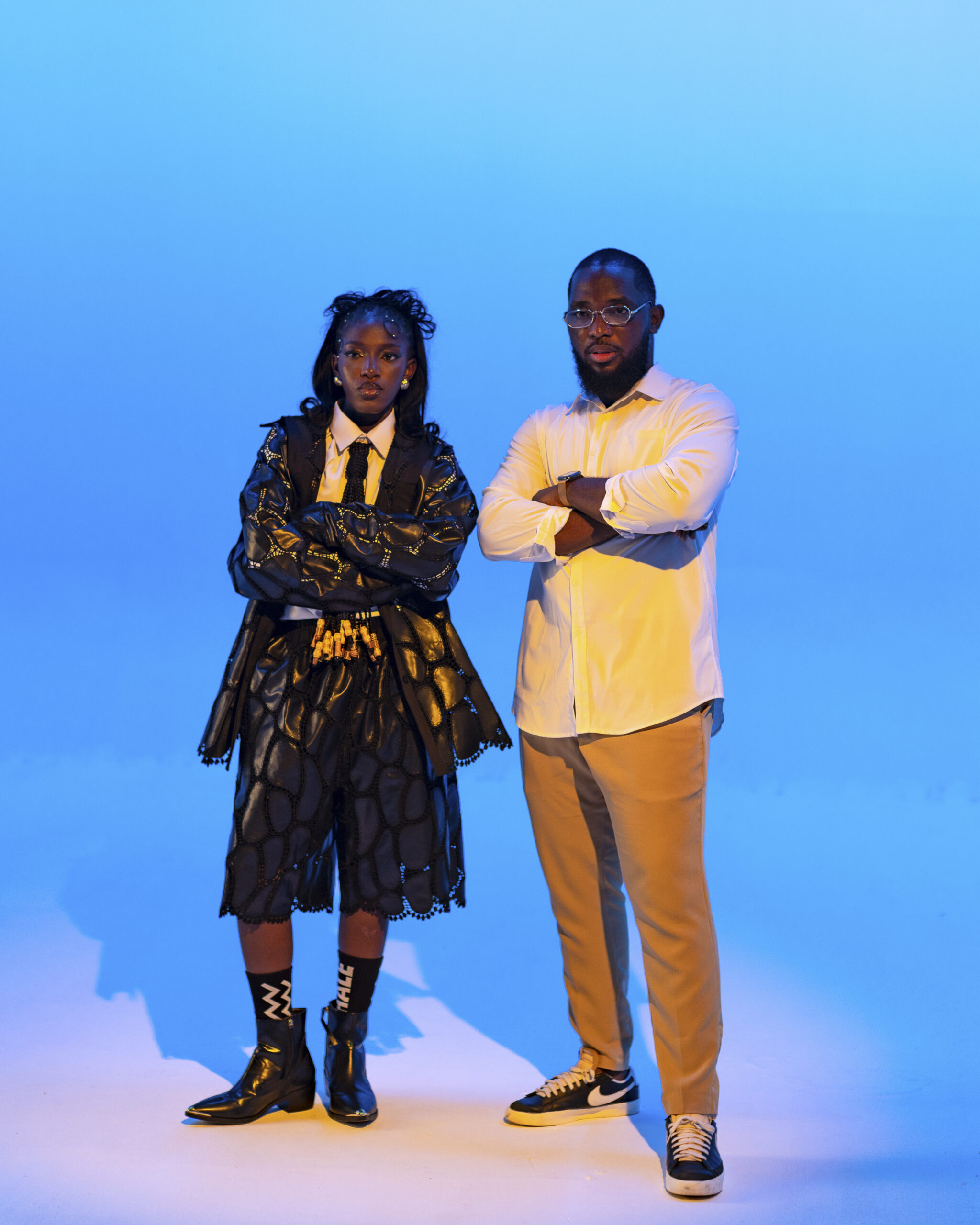
You’ve been recognised globally, yet your work remains deeply rooted in African identity.
How do you stay true to your origins while appealing to international audiences?
I do not think about appealing to the world. I create from what I know. My identity shows up in the work whether I plan it or not. I am not chasing a global aesthetic. I am showing the world how Africa looks through my eye. When you tell the truth, it connects everywhere.
The Made by Africa, Loved by the World campaign merges photography, dance and film.
What excites you most about this multidisciplinary approach to storytelling?
What excited me most was the chance to mix techniques that normally live in different
spaces. I used long exposure and frozen frames inside a moving, cinematic structure. That
blend let me show both the intensity of dance and the emotion behind it. Long exposure
gave us that sense of motion and spirit, while the frozen frames grounded the moment.
Bringing those elements into a film format created a visual language that felt new to me. It
was a unique way to tie everything together and let photography, dance and cinema speak
at the same time.
How do you see the emerging role of AI—not just as a tool for image generation, but as an engine for connection?
I think AI is becoming less about the final image and more about the connections it can
spark. It helps ideas move faster. It gives you new ways to communicate a feeling before you even pick up a camera.
For this project, I actually used Meta AI to build out visuals for my moodboard. It helped me shape the tone, the colour, the energy I wanted the film to carry. But the goal was never to let AI lead.
It was to use it as a creative partner, something that helps you translate what is in your mind into something you can share with your team. When everyone can see the idea clearly, the collaboration becomes stronger.
So I see AI as an engine for connection. It helps artists speak the same visual language early on, which only makes the final work more intentional and more human.
The recognition at the Global Entertainment Marketing Awards marks a significant
milestone. What does this moment mean to you personally and to the African creative community?
View this post on Instagram
This moment means a lot, not just because of the recognition, but because of the people
who helped shape the work.
Mashoba Media were incredible partners in building the creative vision, and Tarryn and Timo brought a level of focus and clarity that elevated the
story in a real way.
Within my own team at LaceUp Media, we put in a lot of care to make
sure the production landed exactly where it needed to. So the award feels like a shared win. For African creatives, I think it shows that our stories belong on any stage. We are not emerging. We contribute, influence, and lead. And it matters for younger artists to see teams from the continent being recognised for work that stays true to who we are.
Collaboration seems to be a recurring theme in your work. How important is creative
partnership in shaping the kind of visual storytelling you strive for?
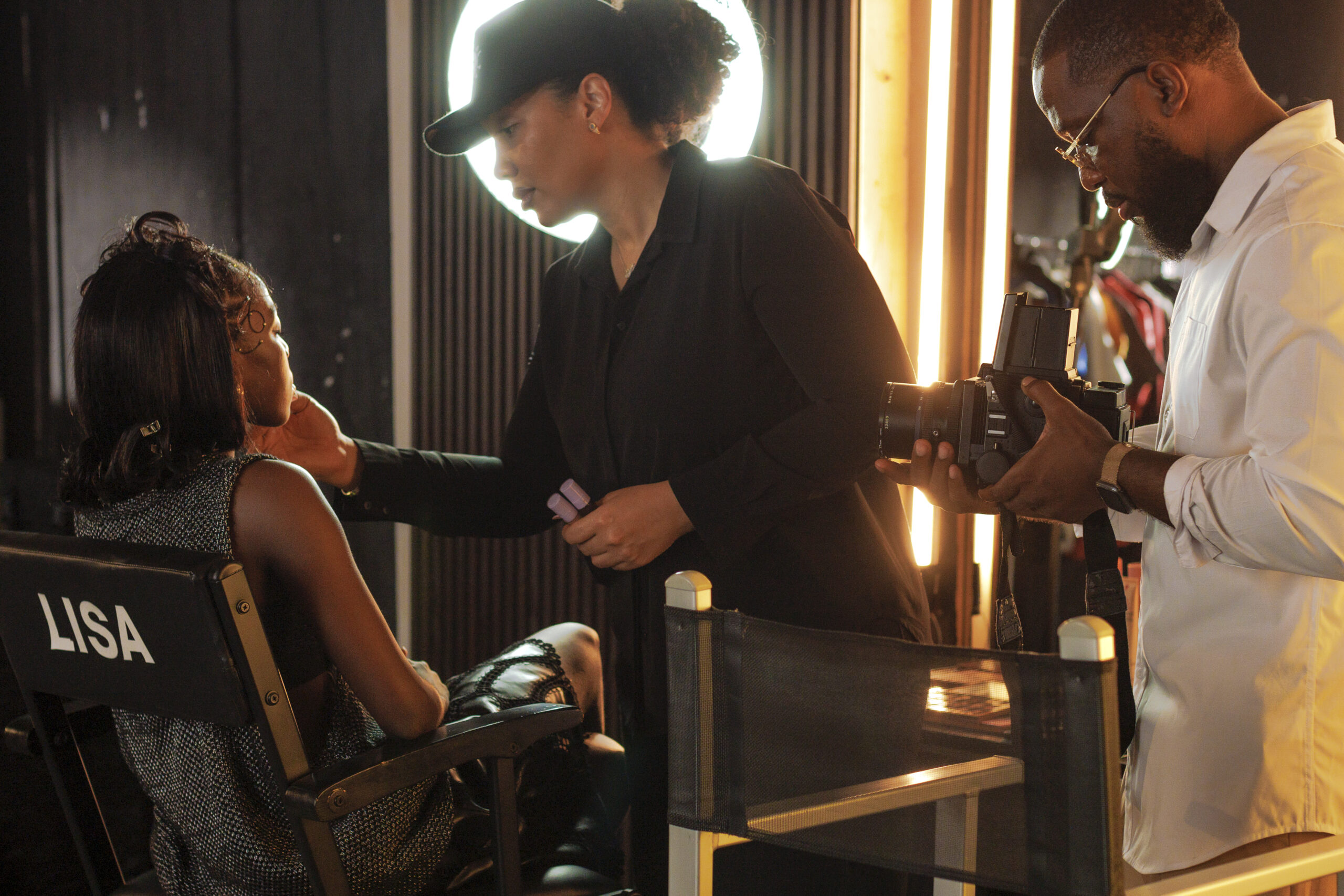
Collaboration is everything. I am surrounded by dancers, designers, stylists, makeup artists, filmmakers, and architects, all bringing their own strengths. When we build together, the work becomes richer. I also come from a culture where creativity is communal. Collaboration is not a tactic for me. It is how I create. It always takes a village.
As African creativity continues to shape global culture, what do you see as the next frontier for visual artists from the continent?
I think the next step is ownership. Owning our stories, our platforms, our intellectual
property. The world already loves what we create. Now we need the structures that let us
grow from that love in a real and sustainable way. Creatively, I see artists blending
storytelling with environment, tech, and new ways of experiencing art. We are not just part
of global culture. We are shaping it.