If you grew up in Ghana in the 2000s, you can probably sing every word of Obour and Samini’s “Aboa Konkontibaa” without blinking, but if you listen closely, you might be outraged by what you have been singing all these years.
In the song, Obour admits that he wants someone young, and he calls her konkontibaa, the Akan word for tadpole, which is a frog that has not grown up yet.

The hook then talks about plucking fruit before it is ripe, and when you hear the two ideas side by side, it is hard to see the song as anything other than a grown man saying he wants a girl who is still a child. That is predatory, and many people, including some in the music industry, have called it paedophilia.
People noticed this as early as 2005, when the Ghana Music Awards (opens in a new tab)nomination committee summoned Obour to defend the song against indecency complaints.
After hearing him out, the committee still cleared it for nomination, and a few weeks later it was named Most Popular Song of the Year.
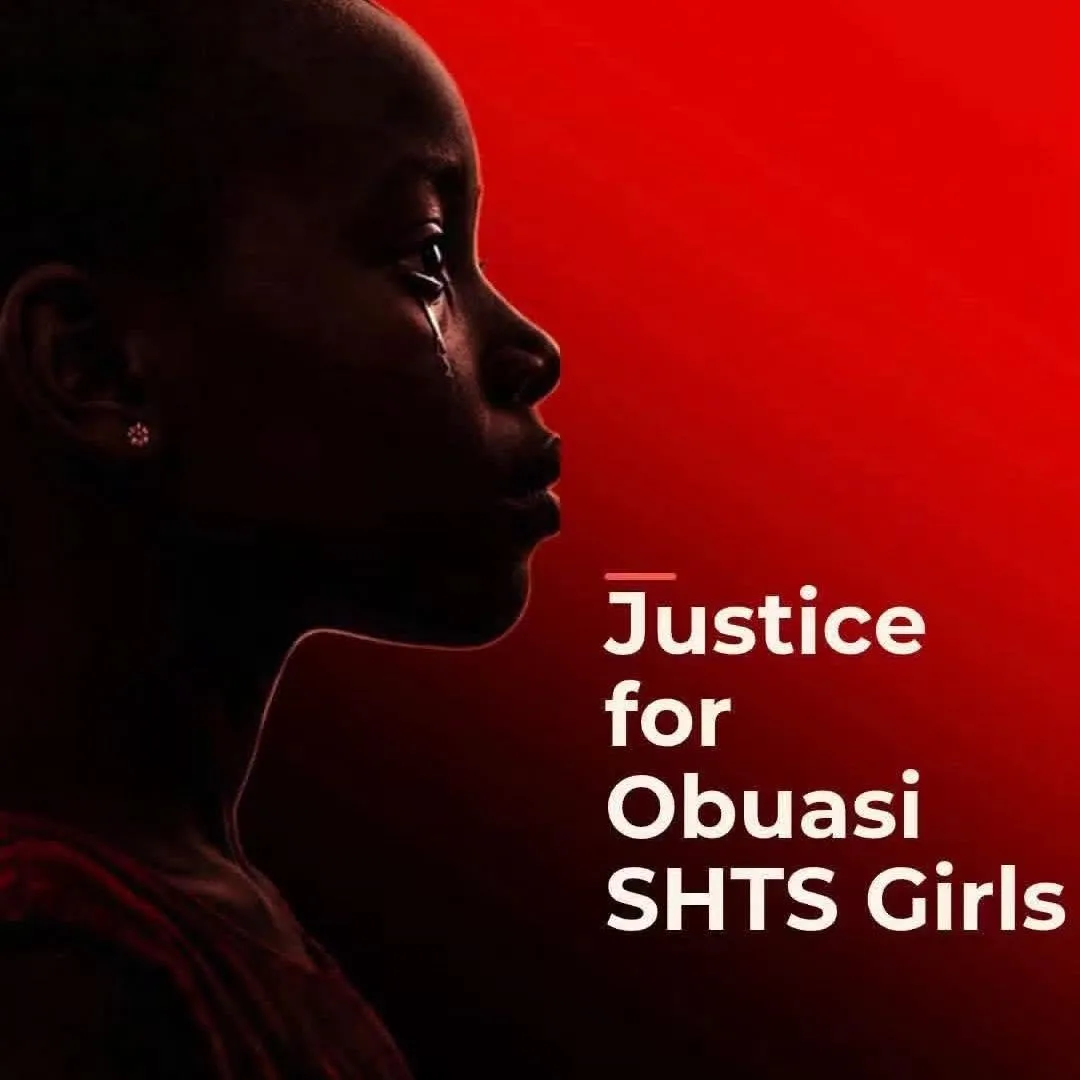
Fast forward to 2026, and we are still doing the same thing. This month, girls at Obuasi Senior High Technical School said they had been reporting their headmaster for months, but nobody listened to them until JoyNews got involved.
The headmaster’s bungalow
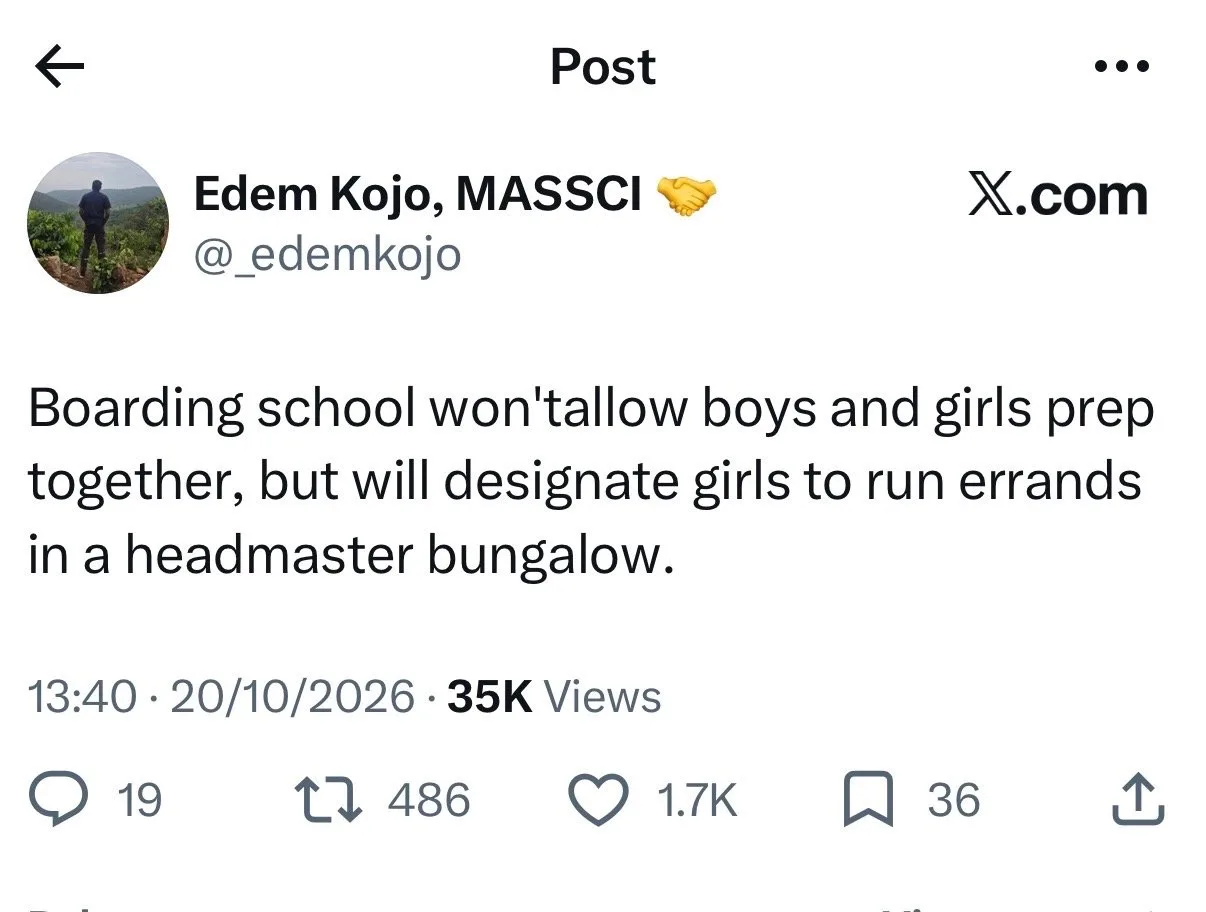
The JoyNews documentary that set all of this off, Inside the Dreaded Headmaster’s Bungalow, (opens in a new tab)aired on 19 October. In it, Manasseh Azure Awuni (opens in a new tab) spoke to students of Obuasi Senior High Technical School who accuse their headmaster, Zakaria Abdulai, of sexually abusing them. Five girls spoke to him at first. By Sunday, 19 had come forward.
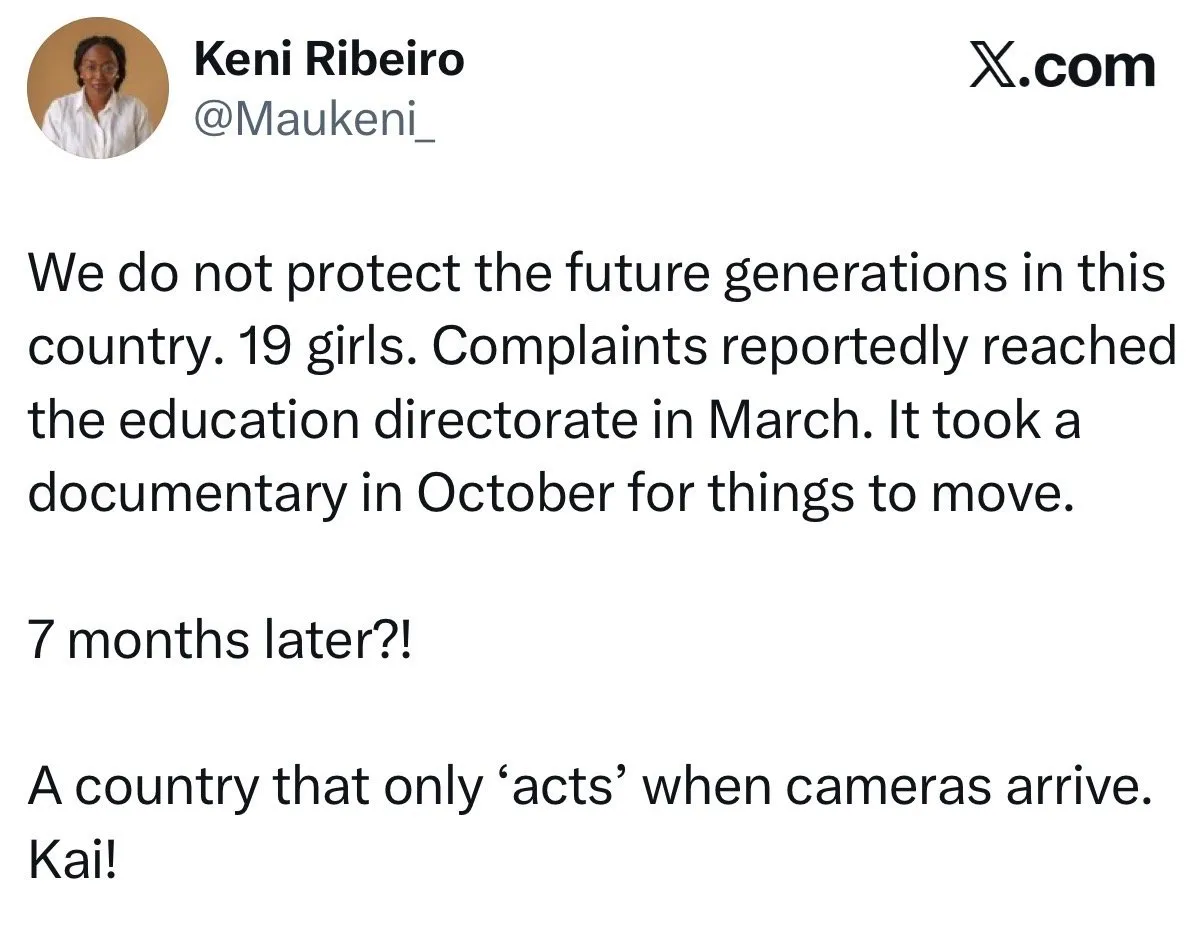
The girls had been trying to tell someone long before the cameras showed up. In February, the teacher in charge of girls’ welfare at the school petitioned management about their complaints. In March, five of the girls went to the municipal education director, George Alfred Koomson, and three of them put it in writing. Koomson says he fell seriously ill, and the reports were not looked into before another alleged rape in July.
In August, the school boiled over. In the early hours of 5 August, students went on a rampage, beat up the headmaster and destroyed things at his bungalow after accusing him of burying a baby on campus. He ended up admitted to Komfo Anokye Teaching Hospital, and six people were arrested. When a GES committee looked into the riot, it recommended that he be posted to another school. Manasseh says the headmaster “was going to be quietly transferred,” while the committee went after “the teachers who stood up for the girls.”
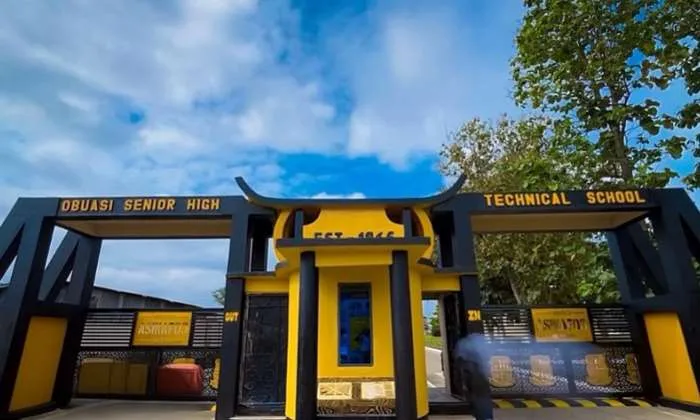
He was only suspended after the documentary aired and the Education Minister stepped in. On Tuesday, the Interior Minister, Muntaka Mubarak (opens in a new tab), told Parliament that Mr Abdulai has been arrested and that police are seeking a court order for his DNA. Mr Abdulai says he is innocent and will pursue “all lawful avenues to clear my name.”
Who kept quiet
It was not only men who failed the girls. According to the JoyNews investigation, one housemistress attended a meeting with the headmaster and received GH¢1,000, which she says was not a bribe, while another housemistress denied shielding him and suggested the girls had been coached. Some parents reportedly withdrew their complaints after pressure from opinion leaders in the community, and a former NDC organiser has alleged that party figures stepped in to protect the headmaster in earlier cases, which another party executive denies.
Mr Abdulai was also the NDC’s secretary in the Juaben Constituency, where he was contesting to become chairman. When the documentary aired, the party told him to withdraw from the race, then reversed that decision after he appeared before its Functional Executive Committee, and finally asked him to step aside on Tuesday, the same day he resigned his position. On the same day, news platform Ghana Today published a quote card attributing to Daniel Nortey, the NDC’s Amasaman Communications Officer, the words, “Which man hasn’t raped a lady before?”
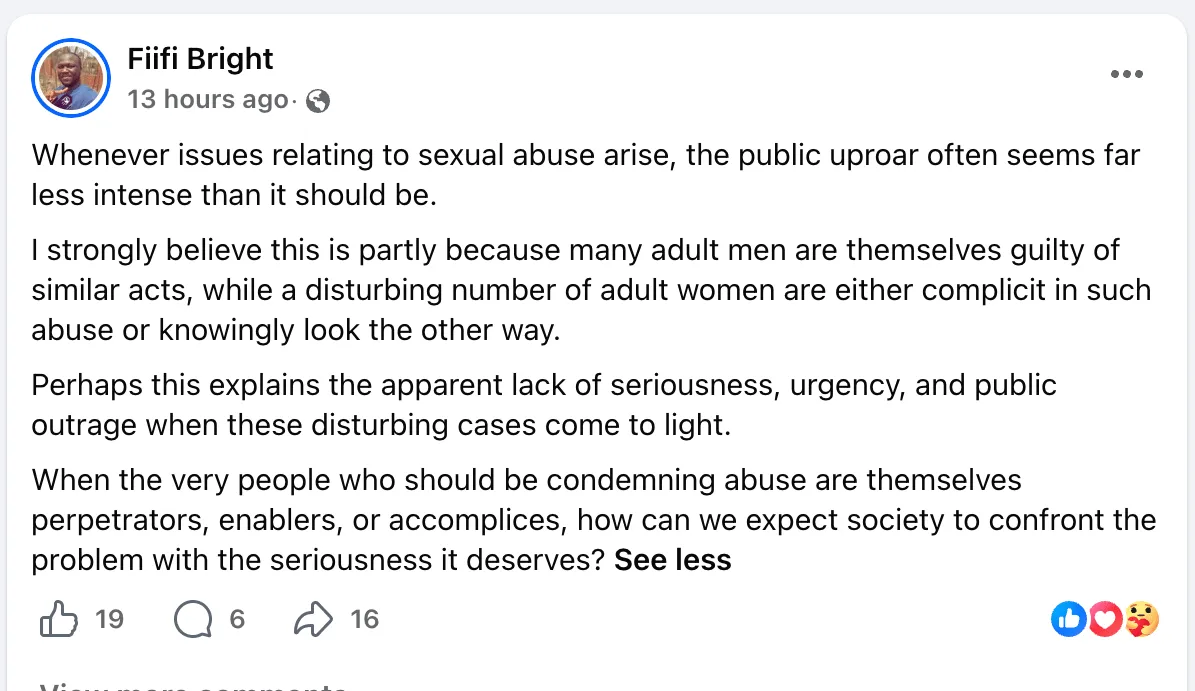
Angela Dwamena-Aboagye (opens in a new tab), who runs the Ark Foundation, a women’s rights organisation in Accra, told JoyNews this week that she was particularly disturbed by the laughter she heard when people discussed one of the alleged incidents. “That is the general attitude that invisibilises people who go through such abuses,” she said.
In a joint statement on 20 October, the Network of Peace and Security Women in the ECOWAS Space and the Working Group on Women, Youth, Peace and Security called on parents, traditional and religious leaders, political actors and communities to stop practices that silence victims or shield alleged perpetrators. They also asked the police for an independent probe and wanted investigators to look at anyone who concealed complaints or intimidated the girls, saying the headmaster’s interdiction and the referral to the CID “were not enough to address the matter.”
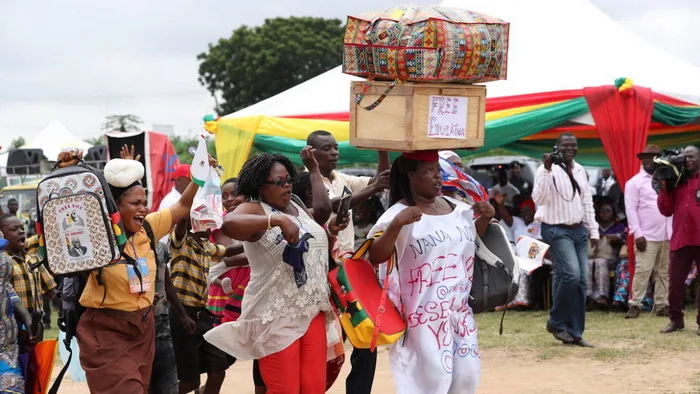
Not just one school
Obuasi is not the first school to face allegations like these. JoyNews Research, which has been tracking such cases since 2015, has counted at least 44 involving teachers accused of sexually abusing their students, but only 12 of those ended in a conviction.
No senior high school head has ever been convicted, and in 23 of the cases there is no record of what happened to the teacher after the allegations came out.
In July, Ahafo Ano South East MP Yakubu Mohammed was filmed telling a primary school pupil who was visiting Parliament that she was very beautiful and that he would marry her when she grew up. He apologised a few days later, after the video spread online and gender activists called for him to be sanctioned.
What the law says
Under Ghana’s Criminal Offences Act, 1960, sex with a girl under 16 is defilement, whether or not she agrees, and it carries a prison sentence of between seven and 25 years, while rape carries a sentence of between five and 25 years. The Ghana Education Service also has its own rules, and its Deputy Director-General, Dr Issahaque Munawaru, has said that once a teacher is found culpable of sexual misconduct, the sanction is dismissal.
According to JoyNews Research, these rules are rarely enforced. Since 2019, no teacher has been reported dismissed for sexual misconduct, and many recent cases have ended at interdiction with no published outcome.
What government is saying
The Minister for Gender, Children and Social Protection, Dr Agnes Naa Momo Lartey, said in a statement on 19 October that her ministry would work with GES to strengthen child protection policies so that “students are adequately protected in educational institutions across the country.” She has promised medical screening and psychosocial support for the affected students, and wants helpline numbers displayed in schools. She also met Manasseh to learn more about the case.
At least one lawmaker thinks the response has come too late. Salaga South MP Zuwera Ibrahimah has asked Parliament to bring GES and the Gender Ministry before its committees, saying the girls’ reports were made “severally to different stakeholders and yet there was no action.”
What could change
Kofi Asare, Executive Director of Africa Education Watch, told Joy FM that Ghana needs a sex offenders’ register and mandatory criminal background checks for anyone applying to teach, along with standard procedures that tell schools exactly what to do when a student reports abuse. He said Eduwatch had been calling for these reforms for years, and that safeguarding should not have to “emerge through investigative journalism.” The Association of Women Lawyers (AWLA) Ghana has also called for a national sexual offenders register.
Dr Kojo Asante of CDD-Ghana has proposed a taskforce to review how schools handle sexual abuse allegations, arguing that such cases should go straight to the police rather than being treated as an internal matter. “Administratively, that’s all you can do, but this is a criminal matter, and you have to bring in the police to investigate,” he said. Parliament’s Human Rights Committee, chaired by Kumawu MP Ernest Yaw Anim, has said it will monitor the investigation and has called for “the maximum applicable sentence” if the headmaster is found guilty.
It does not stop at school
Many Ghanaians believe the problem is common. In an Afrobarometer survey conducted in 2024, 22% of Ghanaians said schoolgirls in their communities are often or always harassed or pressured for sexual favours by teachers. The problem does not end when girls leave school, and the Trades Union Congress has said the women most affected by workplace sexual harassment are those aged roughly 25 to 35, who are often targeted by their superiors.
Red Wednesday
On social media, women have declared today “Red Wednesday” and are asking people to wear red and to speak out against sexual abuse at work, in school and online. Ghanaian actress Lydia Forson has also weighed in on the matter, writing on X that some people are “deliberately being obtuse, and hiding behind the ‘law’ to be dismissive about these allegations.” “You can defend his right to due process without dismissing 19 children as liars,” she added, saying that “the children deserve to be heard and protected while the allegations are investigated.”
Dwamena-Aboagye says that Ghana is “operating in a system that has no system or a very, very broken system,” and that “all colluders must be identified and sanctioned at every level.”