Serwaa Amihere (opens in a new tab) has been trending since Saturday, and if you spent any time on social media this weekend, you probably have seen the clips.

Speaking to young women at the IGNITE Woman (opens in a new tab)session on 25 October, the lawyer and broadcaster told her audience to stop buying fake versions of what they see others wearing.
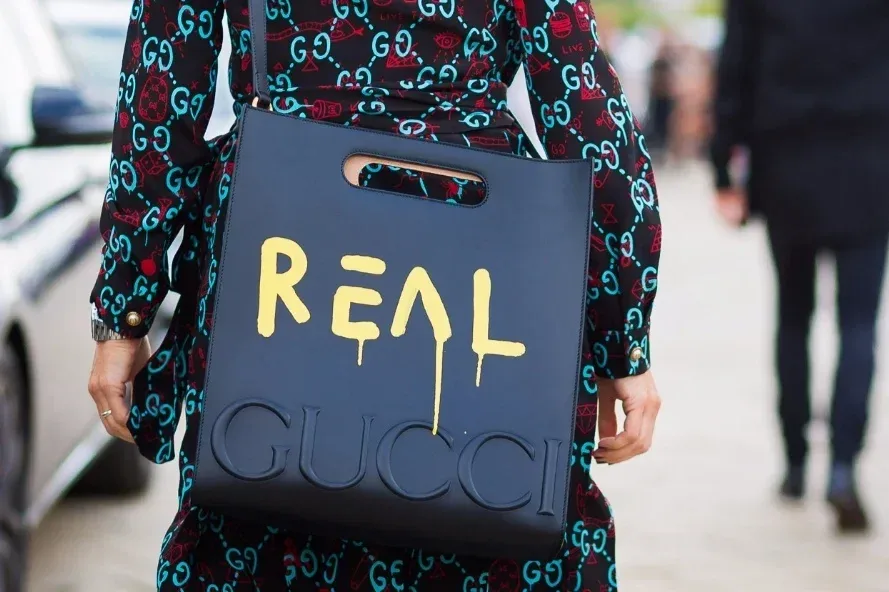
She argued that a real Birkin bag costs more than $25,000 while copies go for as little as GH₵300, and that with patience, “a few years to come, you’ll be able to afford the LVs and all of those things.
Clips of the session have since gone viral, and much of the reaction was about Serwaa herself.
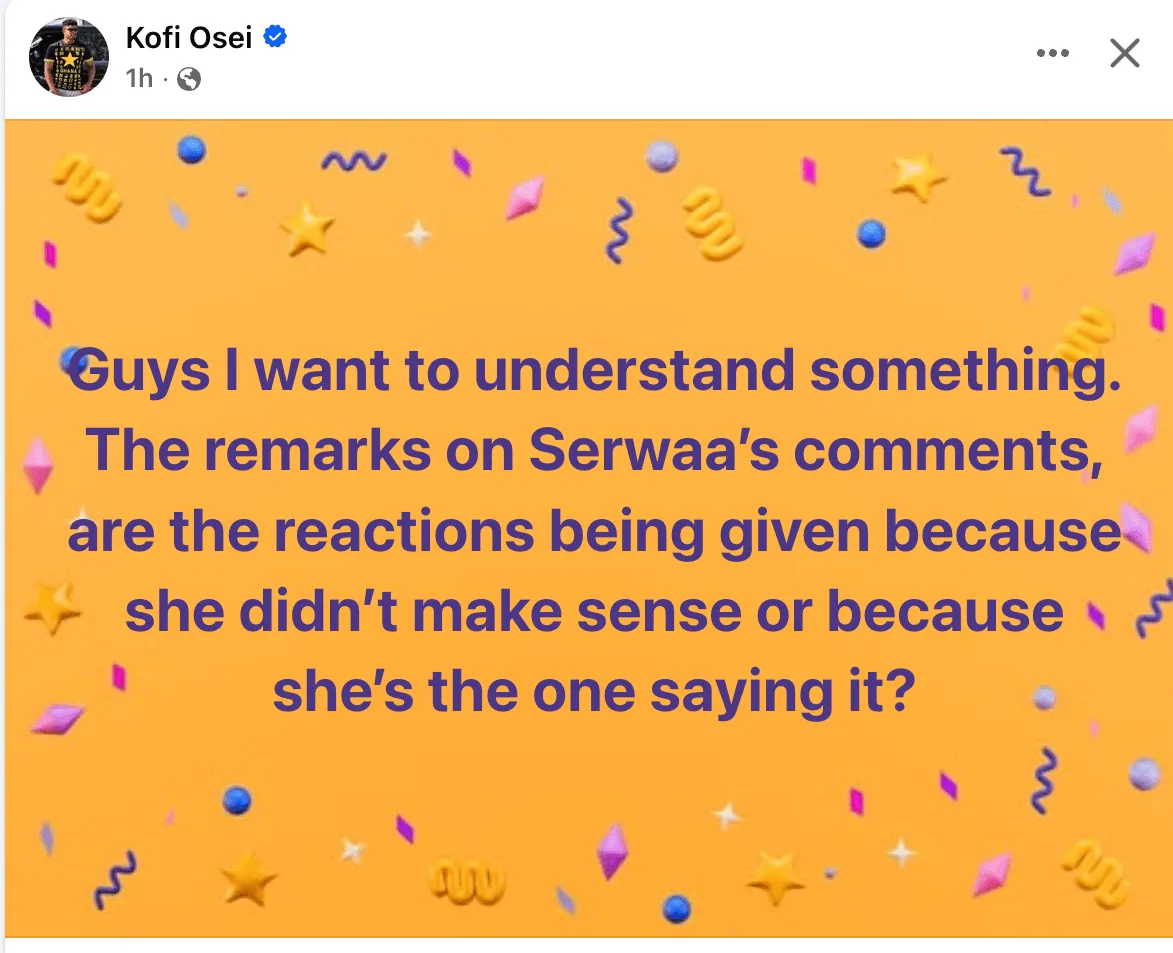
Many people are questioning whether she was the right person to give the advice, and others have conveniently brought up her past controversies, including a 2023 episode where she accused the choristers of Action Worship Centre of stealing a dress design from her brand, Office & Co (opens in a new tab)
Her brand later apologised to the church “for the embarrassment that the claim has caused,” after people online claimed the design had been copied from Pinterest in the first place.
Anyone who has spent as long in the public eye as Serwaa has knows that not everyone is rooting for them, and that every word will be weighed against their past.
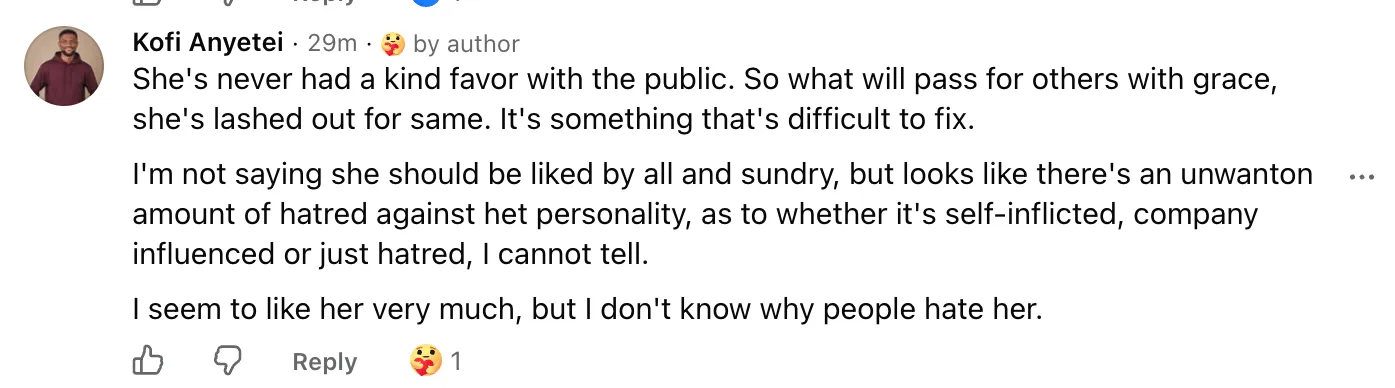
She has had her controversies and nobody is asking for those moments to be forgotten. But after watching her session, it is hard to see what in this particular message deserves the bashing it is getting, because on the issue of fakes, she is right, although the real problem has little to do with how a woman is perceived when she walks into a room.
The GH₵300 Birkin on someone’s arm comes at a cost to the people whose designs are being copied.
Who pays for fakes
The biggest luxury groups, such as LVMH and Kering, which owns Gucci, can absorb the cost of counterfeits, but Ghanaian and African designers often cannot. Many local designers have spoken publicly about watching pieces that took them months, and sometimes years, to develop being copied soon after they posted them online, either by vendors selling cheaper versions or by customers who save the photo and take it to a tailor.
Christie Brown, one of the continent’s best-known fashion houses, has seen its laser-cut designs copied and sold by other designers both at home and abroad, and brands such as Melange by Pistis and BloombyEdzi have faced the same problem, with one copycat drama after another. For a small brand paying tailors, rent and taxes, a few hundred lost sales can decide whether it survives the year.
Thrifting at Kantamanto
Serwaa also encouraged the young women to thrift at Kantamanto, saying she and her sister have shopped there themselves, and the advice carries more weight than many of her critics have given it credit for.
Kantamanto in central Accra is one of the largest secondhand clothing markets in the world, and more than 26,000 people work there, according The Or Foundation, (opens in a new tab) a charity based in Accra and the US that works on textile waste in the market.
Much of what is sold there comes from wardrobes in Europe and North America, and the Or Foundation estimates that about 15 million used garments arrive in Ghana every week, most of them passing through Kantamanto.
Traders buy them in sealed bales without knowing what is inside, and then wash, repair, restyle and resell them, which keeps clothes in use long after their first owners have thrown them away. Ricketts told DailyGuide (opens in a new tab)this month that the market is “a global leader in textile circularity” and deserves investment, because what happens there every day is the kind of reuse and recycling that big fashion brands talk about in their sustainability reports.
Every secondhand piece bought at Kantamanto is one less new item that needs to be made, and it puts money in the pockets of the traders, tailors and upcyclers who keep the market running. For young women who want to look good without spending money they do not have, it is a far better option than a GH₵300 copy of a bag made to deceive.
What the law says
Under Ghana’s Trade Marks Act, 2004 (Act 664), forging a trademark or selling goods that carry a forged trademark is a criminal offence, punishable by a fine of up to 500 penalty units (about GH₵6,000), up to two years in prison, or both, and the court can also order the goods to be forfeited to the state. The Act targets the people who make and sell fakes rather than those who buy them.
Beyond Ghana
In France, simply owning a counterfeit is an offence under the Customs Code, and anyone caught with fake goods can have them confiscated, be fined one to two times the price of the genuine product and face up to three years in prison, with the fine calculated on what the real bag costs and not the GH₵300 the buyer paid.
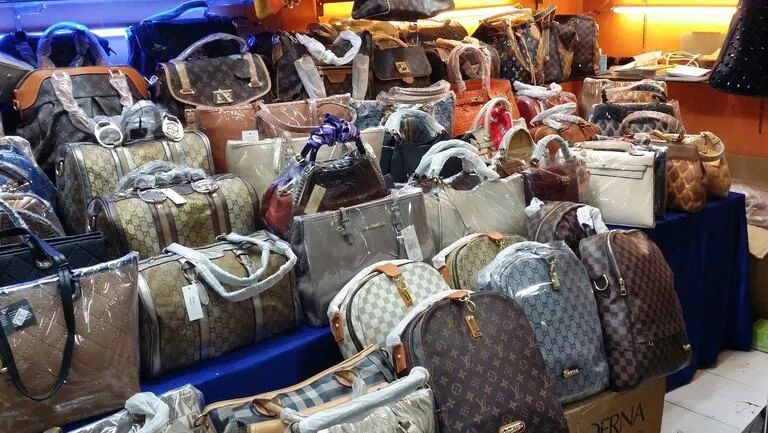
EU authorities detained more than 196 million counterfeit items in 2025, worth an estimated €6.3 billion and the highest number ever recorded, according to a report released on 26 October by the European Union Intellectual Property Office and the European Commission, with clothing among the goods seized most often. In the United States, Customs and Border Protection made more than 25,000 intellectual property seizures in its 2025 financial year, worth about $7.4 billion at the original retail price.
Nobody needs a Birkin or an LV bag to be taken seriously, and between the thrift stalls at Kantamanto and the Ghanaian designers making bags, shoes and clothes at a wide range of prices, there are better ways to look good than a copy of someone else’s work.
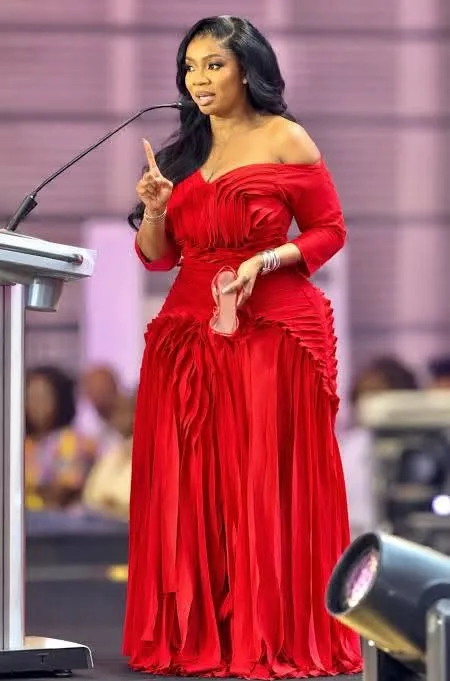
Serwaa may not have been the messenger many people wanted, but the question she raised about what young women are buying, and who pays the price for it, is one worth taking seriously.