Many Ghanaians assume that any Fante surname that does not sound “Akan enough” must come from a European ancestor, but many of these names are Fante through and through.
Colonial clerks, teachers, and missionaries changed them as they heard and wrote them down, and over generations English spelling replaced the original.
Part of the reason lies in the sound of Fante itself, which has a distinct “ts” sound that other Akan dialects do not, so a name pronounced one way in a Fante home could easily be written differently by someone who did not speak the language.
Some names were not respelled at all but translated word for word into English, possibly because they lived on the coast and had the earliest contact with Europeans, according to linguist Kofi Agyekum.
The English versions have drifted so far from the originals that most Akan speakers would never guess they are the same name.
Many families today carry a name their great-grandparents might not recognise on paper.
Quaque and Quaicoe (from Kweku)

One of the earliest examples of a Fante name rewritten in English comes from Cape Coast in the 18th century. Philip Quaque was born Kweku in 1741, the son of Birempong Cudjo, a caboceer in Cape Coast, and in 1754 he was one of three Fante children taken to England to be educated by the Society for the Propagation of the Gospel. After studying theology at Oxford, he was ordained in 1765, becoming the first African minister in the Church of England; the following year, he returned to Cape Coast as chaplain at the castle. Records list his name as both Quaque and Quaicoe, showing how English writers turned the Fante “Kweku” into a surname with a “qu” spelling; the school he started in his home in 1766 is still remembered today as the Philip Quaque Boys School.
Aggrey (from Egyir or Agyiri)
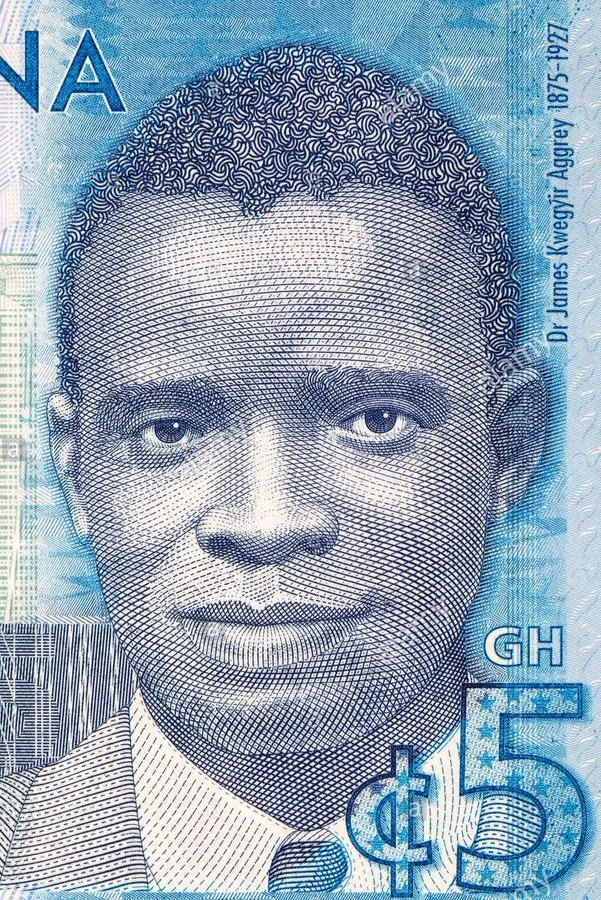
The best-known Aggrey in Ghana’s history is Dr James Emman Kwegyir Aggrey, born in Anomabu in 1875 to Okyeame Kodwo Kwegyir, the chief linguist at the court of King Amonoo IV, and Princess Abena Anowa of Ajumako. The Fante root remains visible in his father’s name, and he became the first Vice Principal of Achimota College in 1924, where he persuaded Governor Guggisberg to admit girls as well as boys.
Crentsil (from Kurentsir)
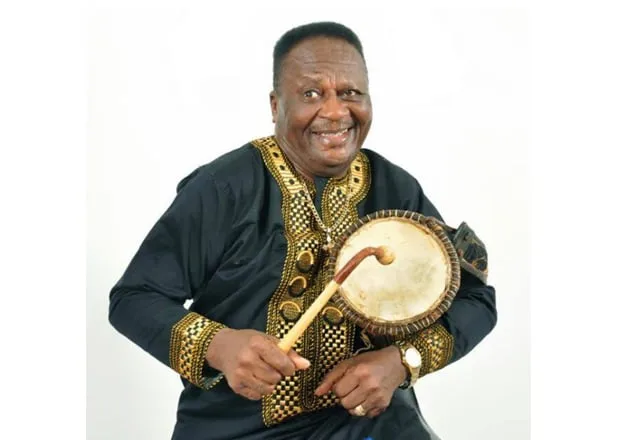
Highlife fans will know the name through A. B. Crentsil, born in Prestea in 1943, who co-led Sweet Talks in the 1970s with Smart Nkansah and is remembered as one of the big three voices of Ghanaian highlife.
Otabil (from Ɔtabir)
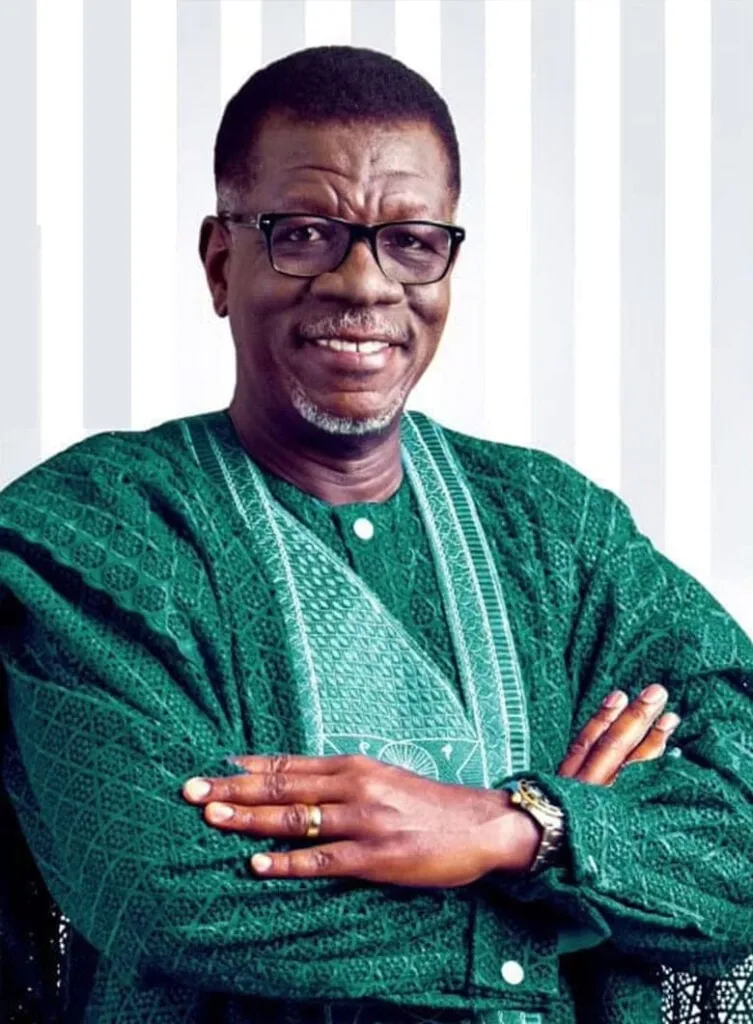
One of the most recognisable bearers of the name is Pastor Mensa Otabil, founder of the International Central Gospel Church, whose first name keeps the original Fante spelling of Mensa even though most people with that name now write it as Mensah.
Paintsil (from Paintsir)

Football fans will know the name from two generations of Black Stars. John Paintsil was the right-back who played for Ghana at the 2006 and 2010 World Cups, and today the winger Joseph Paintsil, born in Accra in 1998 and raised in Fadama, carries the name in Major League Soccer with LA Galaxy, after winning the Belgian league title with Genk in 2019.
Bentil (from Bentsir)
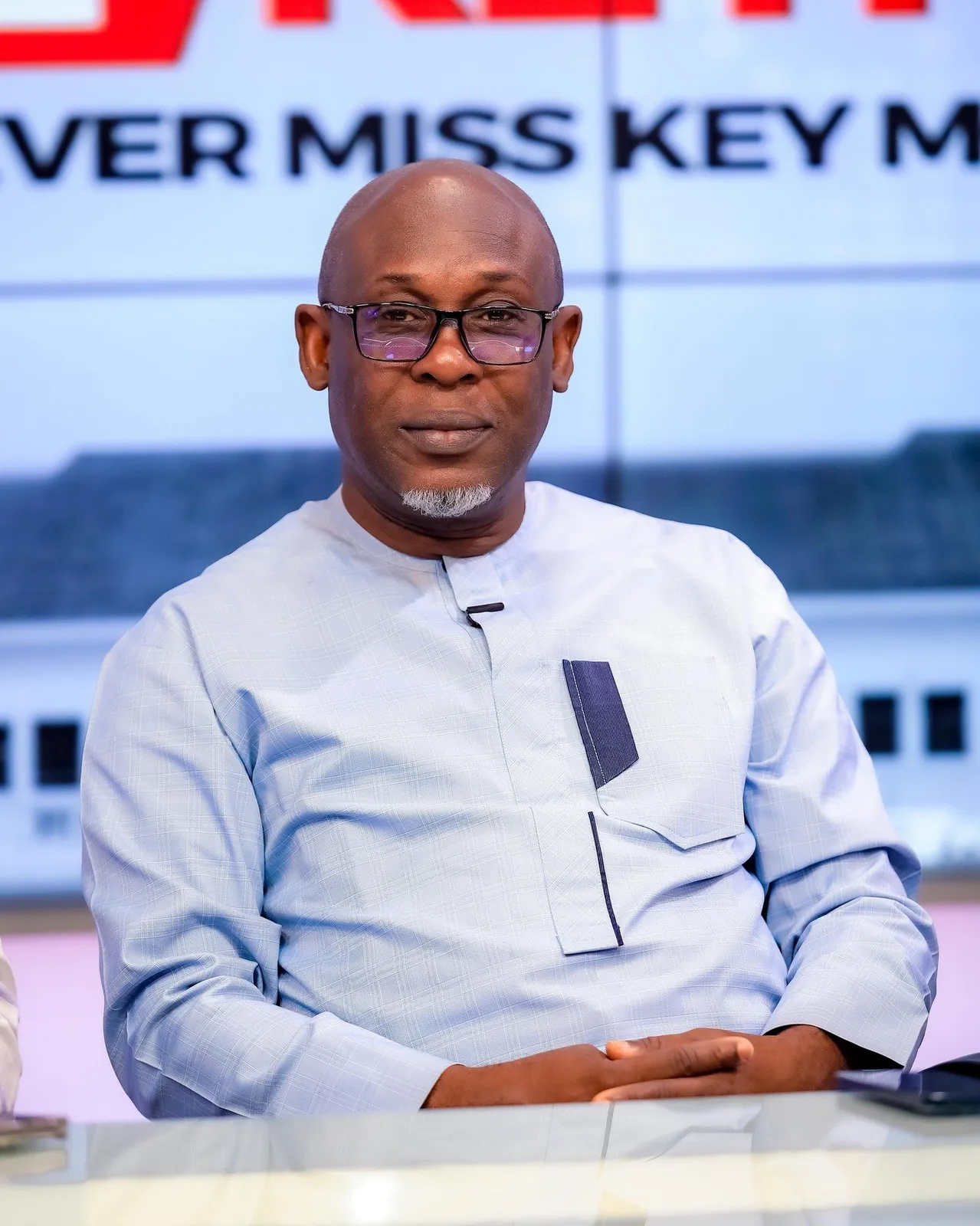
Bentil follows the same pattern, with the Fante “tsir” ending replaced by the English-sounding “-il”.
Arthur (from Atta)

Arthur sounds as English as a surname can be, but for many Fante families it began as Atta, a name traditionally given to twins.
Blankson (from Kuntu)
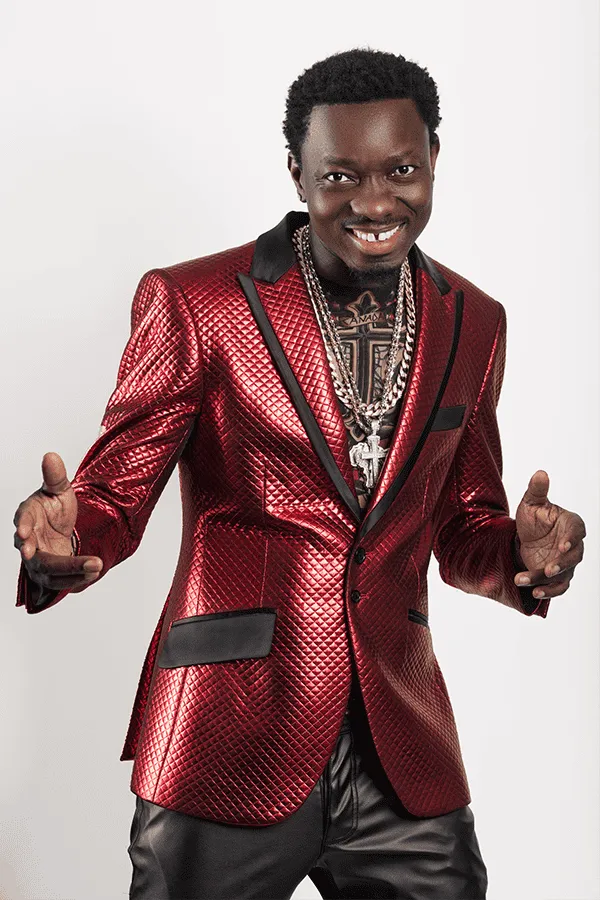
Blankson may sound like an English surname, but it began as a translation. George Kuntu Blankson, born in 1809 in Sodufu, a Fante village between Elmina and Anomabu, took the name by anglicising Kuntu, the Akan word for “blanket”, in line with the naming practices of his time. He became one of the richest merchants on the coast and, in 1861, the first full-blooded African unofficial member of the Gold Coast Legislative Council. The late actor Kuntu Blankson, best known for Akan Drama in the late 1990s, carried both the original Fante name and its English version.
Acquah (from Akwa)
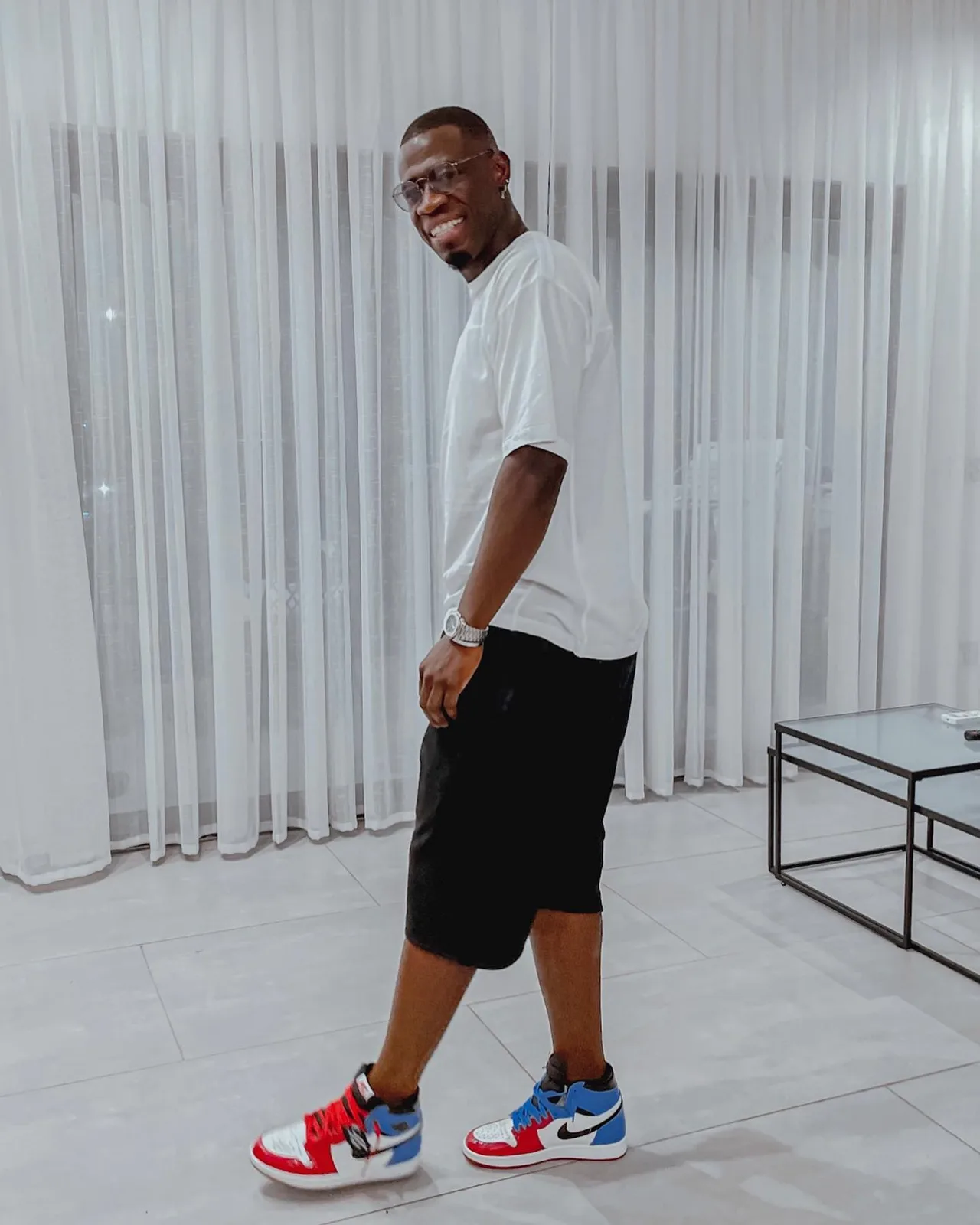
Acquah picked up both a doubled consonant and the familiar “h” at the end, and it is a common name across the Central and Western Regions. It has also been carried by some of Ghana’s best-known figures, including the late George Kingsley Acquah, who rose to become Chief Justice of Ghana, and Dr Paul Acquah, who served as Governor of the Bank of Ghana from 2001 to 2009 after working as a deputy director at the International Monetary Fund. Football fans will remember the midfielder Afriyie Acquah, who earned 39 caps for the Black Stars and played at the 2014 World Cup.
Woode and Wood (from Dua)
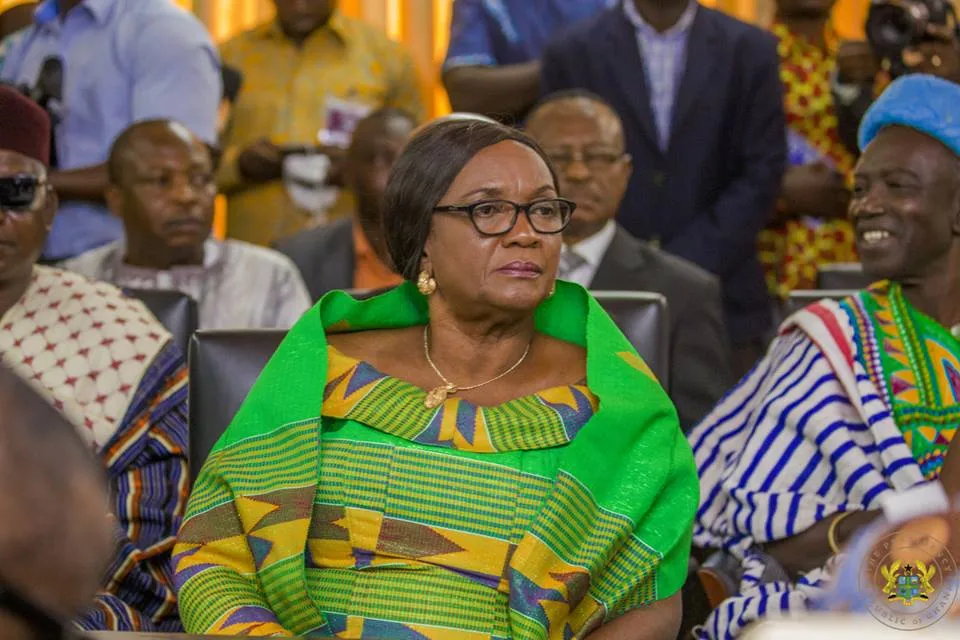
Dua, which means tree or wood, became the English surname Woode, and the name Wood is carried today by one of Ghana’s most distinguished jurists, Georgina Theodora Wood, who became the country’s first female Chief Justice in 2007 and served until 2017.
Quansah (from Kwansa)

Quansah follows the same “kw” to “qu” pattern, with an “h” added at the end, and the name is still used today by people such as botanist Professor Nat Quansah.
*Wilson-Sey (Kwaa Bonyi)
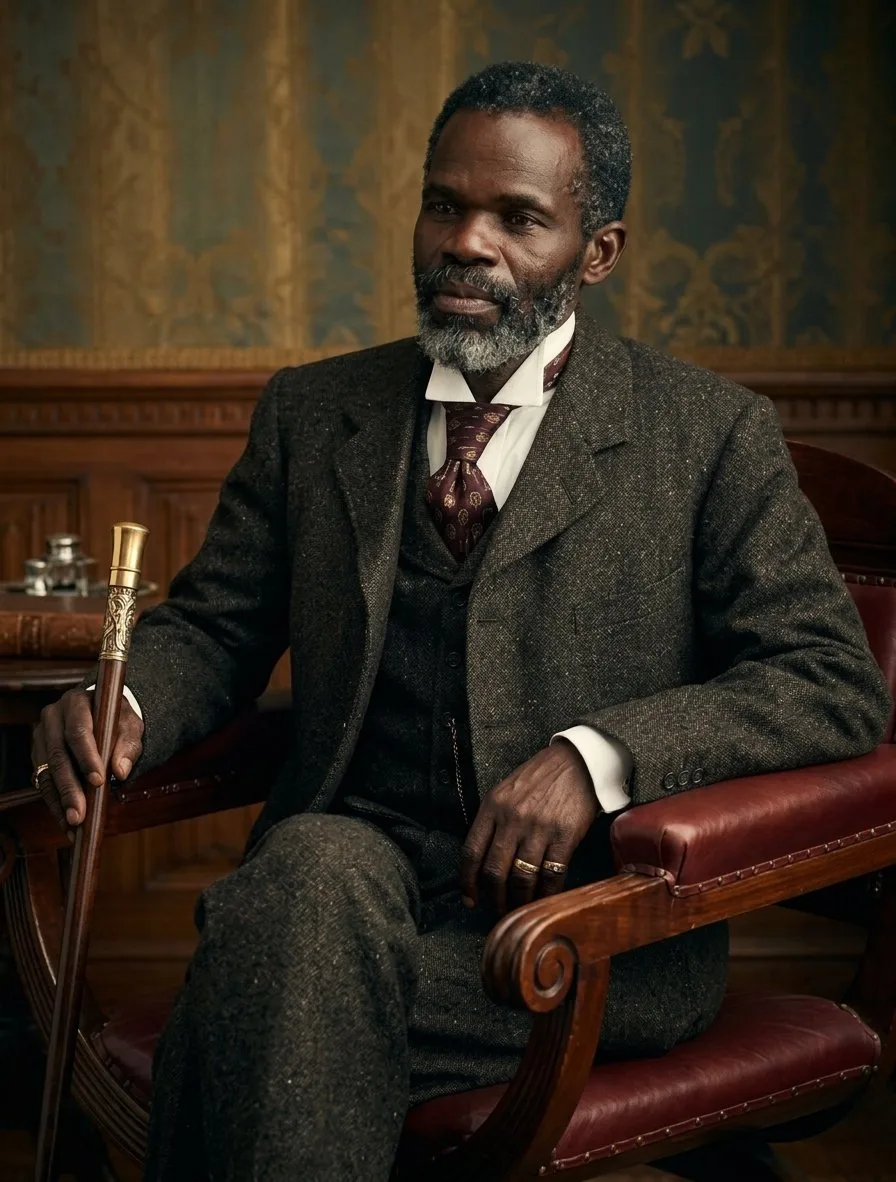
Not every English-sounding name on the coast came from a misheard spelling, and some Fante families simply added English names to their own as a mark of status. Jacob Wilson Sey was born in Biriwa, near Cape Coast, in 1832, and was popularly known as Jacob Kwaw and, in private life, Kwaa Aboan’nyi, later shortened to Kwaa Bonyi; after he became one of the richest men on the Gold Coast, his people began addressing him as “Jacob Wilson-Sey, Esq.” He co-founded the Aborigines’ Rights Protection Society and served as its first president, leading the fight against the 1897 Lands Bill, which would have allowed the colonial government to take control of land it considered unused. He paid for a delegation to London out of his own pocket, and it came back with the bill effectively withdrawn.
Kumson/Koomson (from Kumi ba)
Kumi ba, meaning “child of Kumi”, became Kumson, with the English “-son” standing in for the Fante “ba”.
Hawkson (from Akorɔma)
Akorɔma is the Fante word for a hawk, and families who carried the name eventually became Hawksons.
Rockson (from Ɛbo)
Ɛbo, the word for stone, became Rockson.