If you’re from the Volta Region, or you’ve ever sat in a room with someone who is, you’ve probably heard the nickname “No. 9.”
People throw it around in jokes, on social media, and sometimes in arguments, but very few who use it know where it’s believed to have started. The most popular explanation takes us back to Accra on the eve of Ghana’s independence, to a young woman from a small town in the Volta Hills.
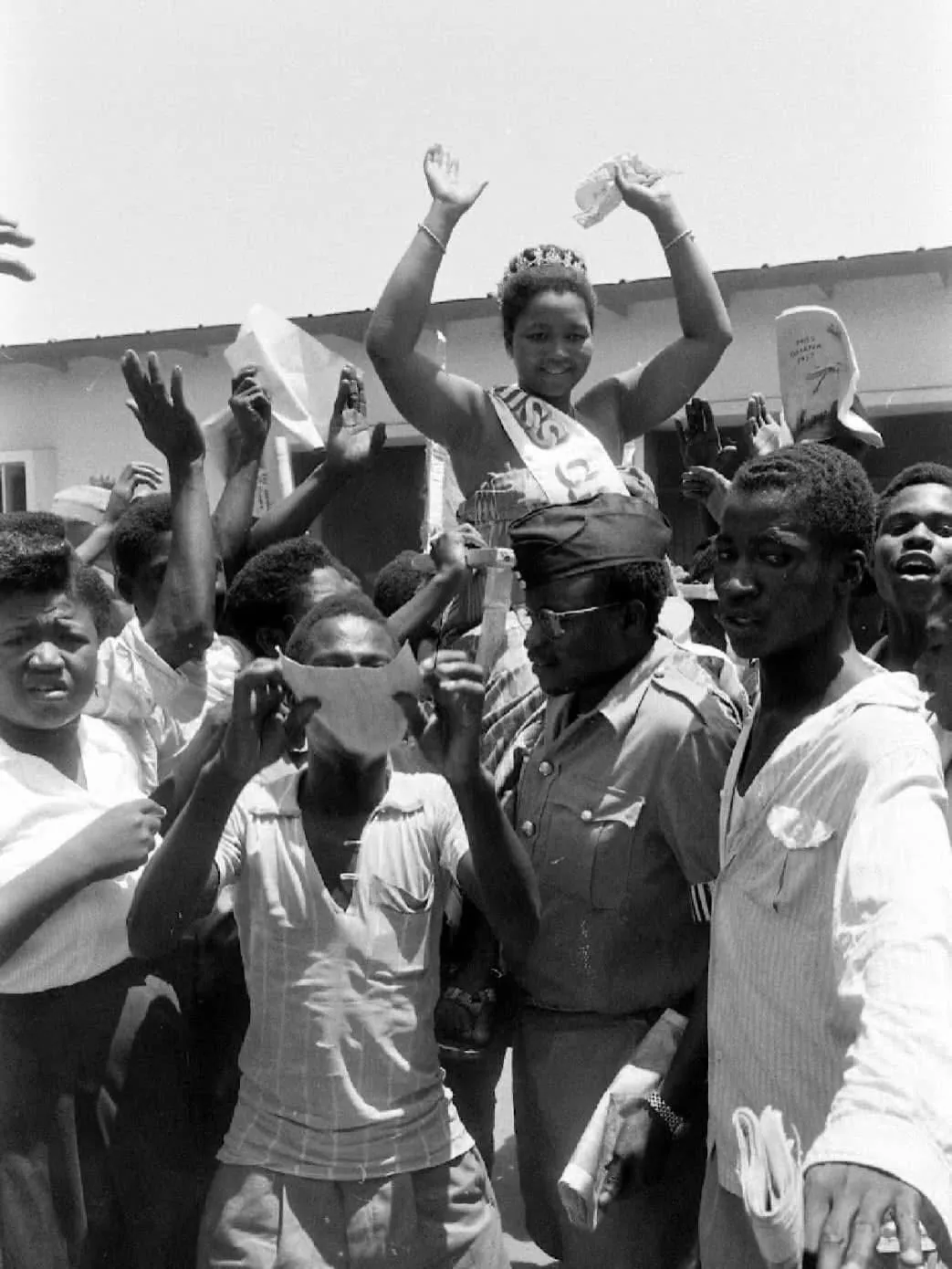
Her name was Monica Amekoafia. She was born on 30 June 1934 in Alavanyo, in what was then Trans-Volta Togoland, the territory that voted in the 1956 plebiscite to join the Gold Coast and later became the Volta Region.
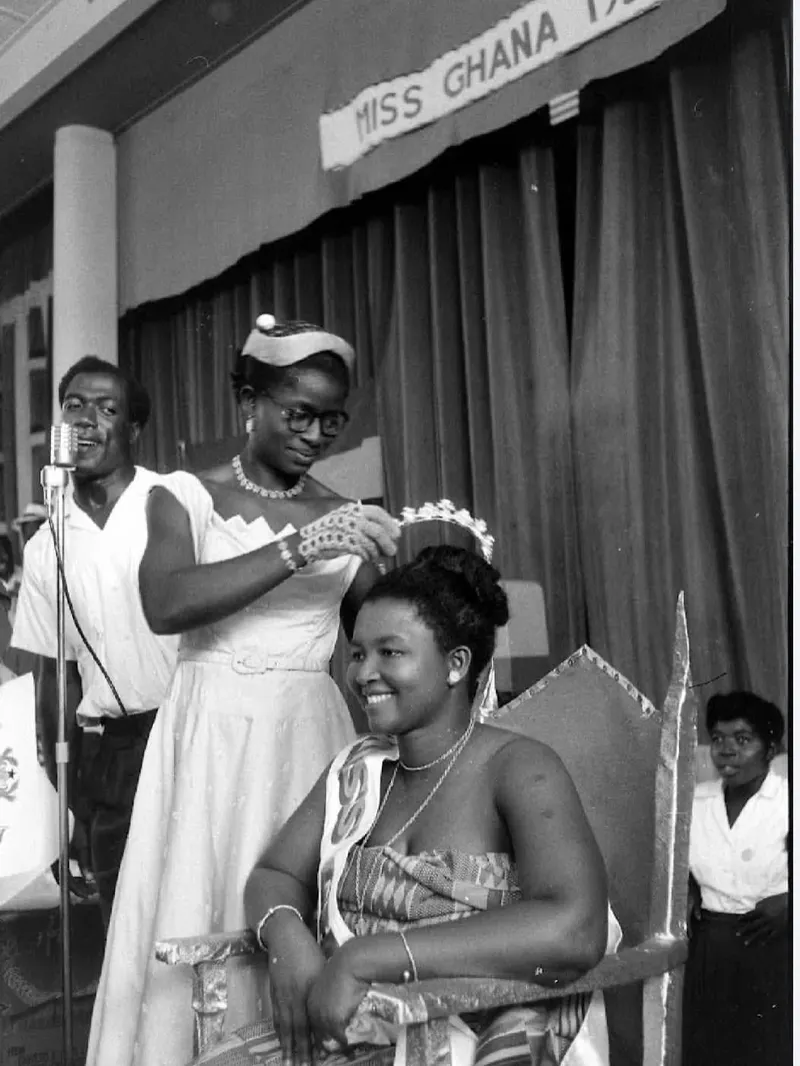
In early 1957, as the country prepared for independence, the Department of Social Welfare organised Ghana’s first national beauty pageant at the Accra Community Centre.
On 4 March 1957, two days before Kwame Nkrumah declared independence, 22-year-old Monica was crowned the first Miss Ghana.
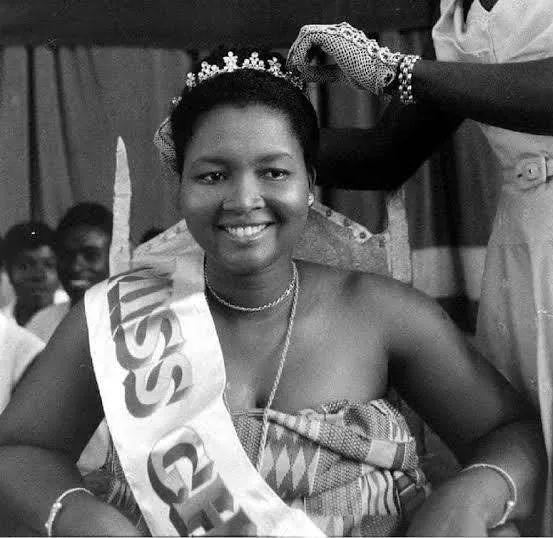
The story goes that she wore the number 9 during the contest. When she won, people from her home region proudly began calling themselves, and one another, “Number 9” in her honour, and the name eventually came to stand for everyone from Volta.
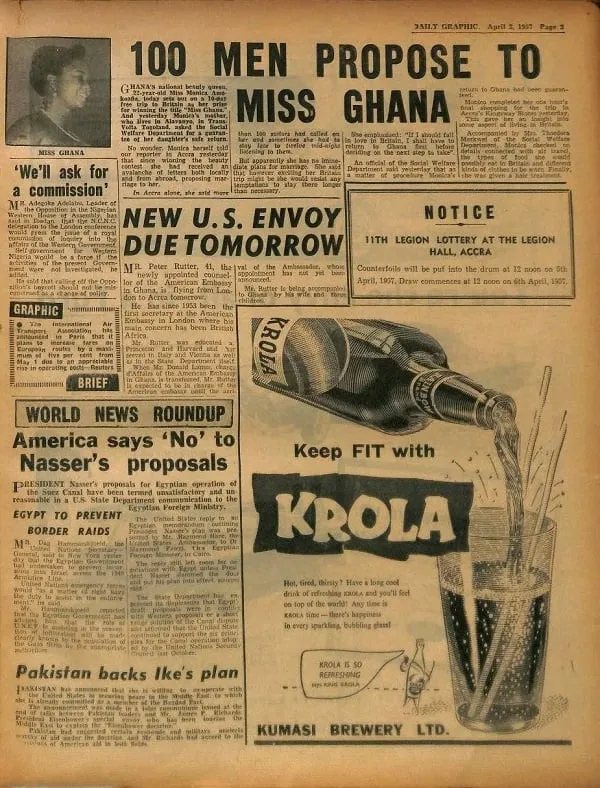
Her prize was a 10-day trip to Britain, and the country could not get enough of her. On 2 April 1957, the day she set off, the Daily Graphic ran the headline “100 Men Propose to Miss Ghana.” Monica told the paper she had received an avalanche of letters from home and abroad asking for her hand in marriage, and that in Accra alone more than 100 suitors had called on her, some of them keeping her up until midnight. She had no plans to marry yet, she said, and she promised not to stay in Britain any longer than necessary. “If I should fall in love in Britain,” she told the paper, “I shall have to return to Ghana first before deciding on the next step to take.”
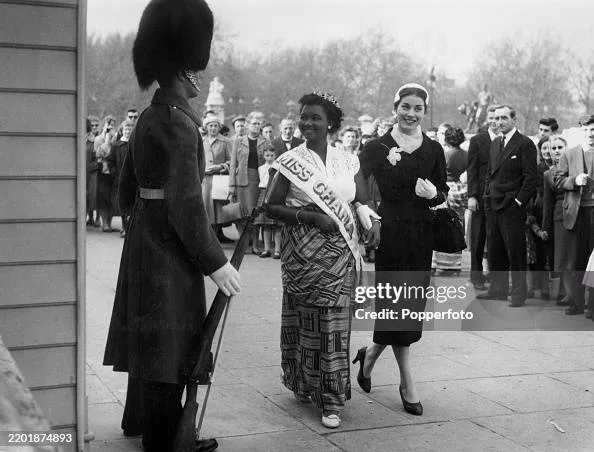
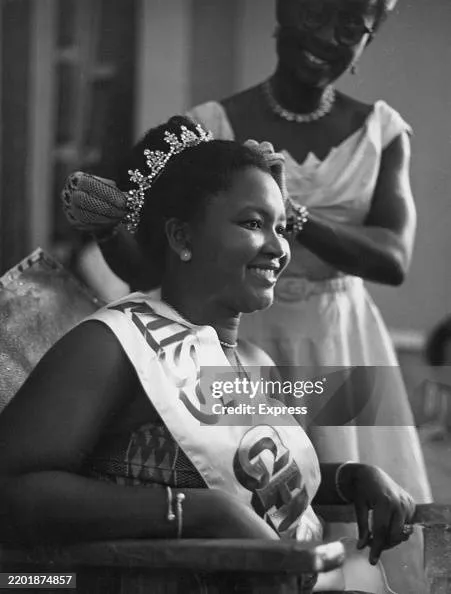
Back in Alavanyo, her mother was not taking any chances. She asked the Social Welfare Department, which had organised the pageant, to guarantee her daughter’s safe return, and an official assured the paper that Monica’s return was guaranteed as a matter of procedure. Before she left, Monica spent an hour on final shopping at Kingsway Stores in Accra, and Mrs Theodora Markwei of the Social Welfare Department took her through what to expect on the flight, the food she might eat in Britain and the clothes she would need. Then she had her hair done.
Writers such as Stephen Atta Owusu, in a 2016 opinion piece for GhanaWeb (opens in a new tab), argue that this is the true origin of the nickname, and that it began as a badge of pride long before some people turned it into an insult.
Monica’s own life after the crown took her far from the pageant stage. She married Henry Kofi Marrah, a Ghanaian diplomat, in London, and his postings took the family to Prague and later to Hungary in the early 1960s.
They returned to Ghana in 1966, and she spent her later years at home, where she did dressmaking, tie-and-dye and soap making. She died on 24 June 1990.
Her hometown region hasn’t forgotten her. As part of Ghana’s 50th anniversary celebrations in March 2007, the Hohoe District Assembly unveiled a statuette of her (opens in a new tab) in front of the Hohoe Post Office, showing her wearing a crown and a sash that reads “Miss Ghana.”

At the unveiling, District Chief Executive John Peter Amewu said it was meant to inspire young people.
Over the years, “No. 9” has picked up other, less flattering meanings, and many people from the Volta Region now hear it as a jibe.
Knowing the story behind it may not change how everyone uses the nickname. Still, it does give Voltarians a reason to remember that it started with one of their own winning the very first crown of a newly independent Ghana.