When we published our first list of Ghanaian surnames with European roots, our inbox filled with messages from readers asking about their own family names, sharing stories passed down from grandparents, and, in a few cases, correcting what they had always been told.
Many of the names they asked about trace back to the coastal forts and trading houses where European officials, traders and missionaries married into Ga and Fante families.
In contrast, others arrived through Brazil and the Caribbean. Here are some of the names you asked about most.
Clerk

The Clerk family of Osu traces its roots to Jamaica, not Europe. Alexander Worthy Clerk, a Moravian from Fairfield in Manchester Parish, Jamaica, arrived in Osu in April 1843 as one of 24 West Indian settlers recruited by the Basel Mission, and in 1848 he married Pauline Hesse, a trader from the Euro-Ga Hesse family of Osu Amantra.
Their son, Nicholas Timothy Clerk, was a theologian and a founding father of the Presbyterian Boys’ Secondary School (PRESEC) in 1938.
Since then, the family has produced several pioneers, including Dr Matilda Johanna Clerk, the first woman in Ghana and West Africa to earn a postgraduate diploma, and Theodore Shealtiel Clerk, the first professionally certified Ghanaian architect and the chief planner of Tema.
Bannerman
The Bannermans descend from Colonel Henry Bannerman, a Scotsman, and a Fante woman.
Their son James Bannerman, born in 1790, became a merchant and served as acting governor of the Gold Coast from December 1850 to October 1851.
He married Yaa Hom, an Asante princess and daughter of Asantehene Osei Bonsu, who had been captured at the Battle of Katamanso in 1826, and their son Charles founded the Accra Herald in 1857, one of the earliest newspapers on the Gold Coast.
Hutton-Mills
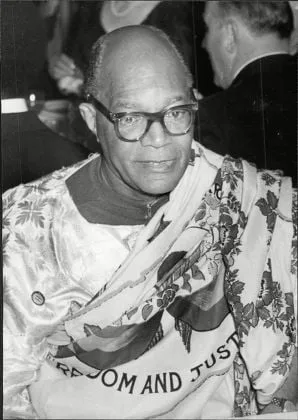
The Hutton-Mills family is connected to the Bannermans through Emma Bannerman, the daughter of Governor James Bannerman, whose son Thomas Hutton-Mills was born in James Town in 1865.
A lawyer trained at Middle Temple in London, he became the first African barrister elected to the Legislative Council in 1898, and in 1920 he was elected the first president of the National Congress of British West Africa, one of the earliest movements to demand a greater say for Africans in how the colonies were run.
Engmann
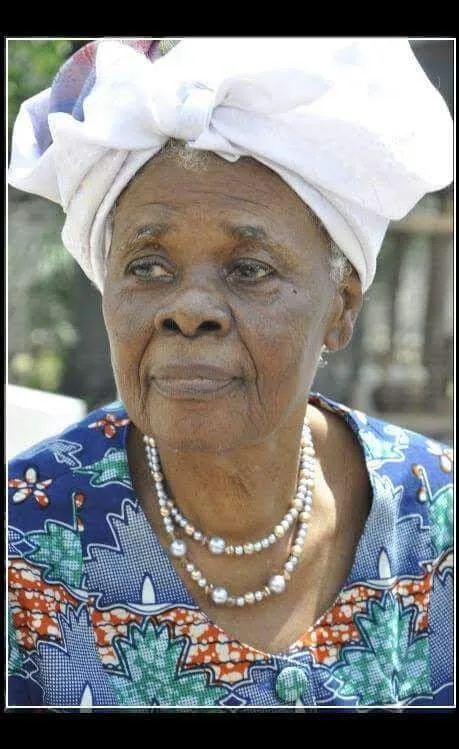
The Engmann name goes back to Carl Gustav Engmann, who was governor of Christiansborg Castle in Osu from 1752 to 1757 and later sat on the board of a Danish slave-trading company.
During his time on the coast, he married Ashiokai Ahinaekwa, the daughter of Chief Ahinaekwa of Osu.
One of his descendants, the archaeologist Dr Rachel Engmann, has written that an aunt once told her to “go to The Castle and see your surname inscribed on the castle wall,” and when she did, she found the name Carl Gustav Engmann on a water cistern in the courtyard.
Richter
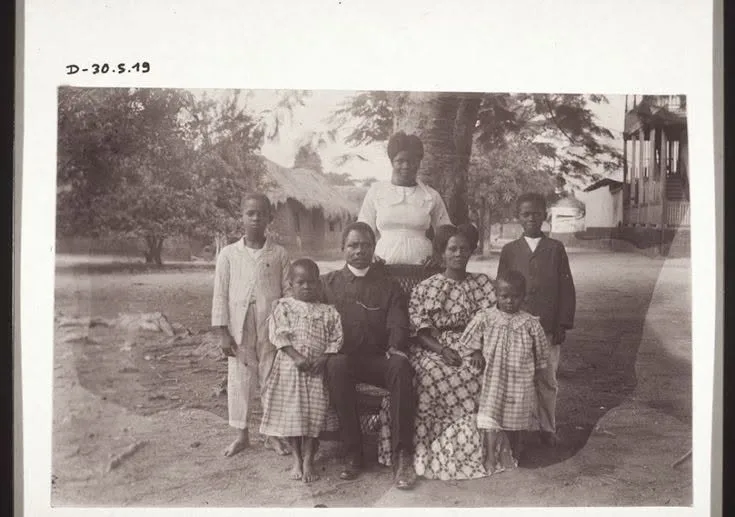
The Richters of Osu descend from Johan Emanuel Richter, a Danish official and trader on the Gold Coast.
His son Henrich Richter, who lived from 1785 to 1849, became one of the wealthiest Euro-African merchants of his time, and around 1807 he built Richter House near Osu Castle, a residence and fortified trading base that still stands today.
Like many merchant families of that era, the Richters traded in goods and also in enslaved people, a history that descendants of Osu’s Danish-Ga families have been openly confronting in recent years.
Olympio

The Olympio name came to West Africa from Brazil through Francisco Olympio Sylvio, a Brazilian trader who settled on the coast.
His grandson Sylvanus Olympio was born in 1902 in Kpandu, now in Ghana’s Volta Region, and went on to become Togo’s first prime minister and then its first president.
He was killed in a military coup in Lomé in January 1963, making him the first African president to be assassinated in a coup.
Geraldo de Lima
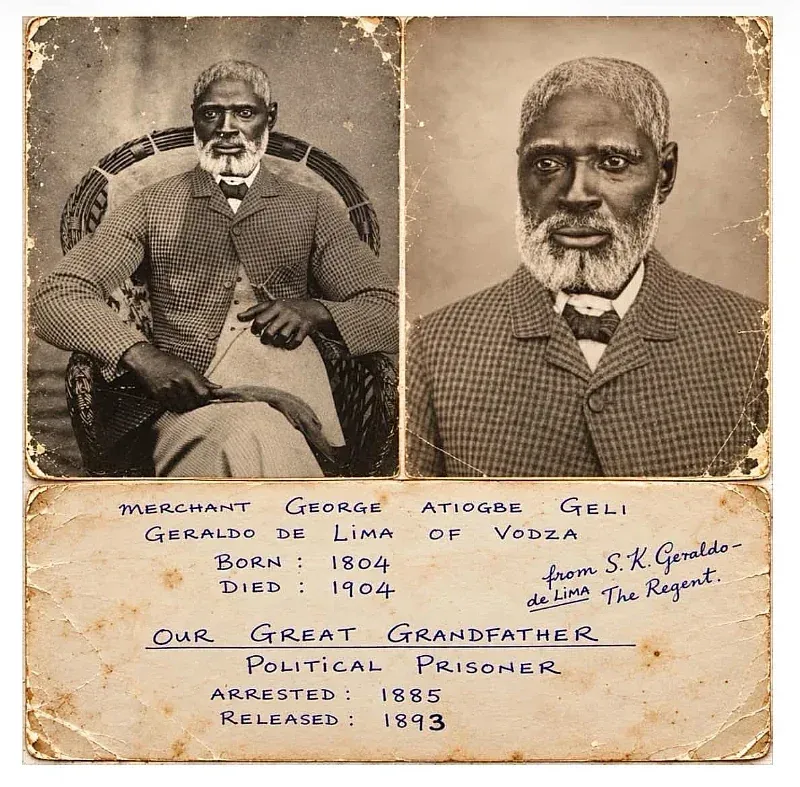
Geraldo de Lima is a surname with a twist, because the man best known by it was not Brazilian at all.
According to historian D. E. K. Amenumey, he was born Adzoviehlo Atiogbe around 1804 at Agoué, in what is now Benin, and in the 1850s he went to work for a Brazilian trader named Cesar Cerquira Geraldo de Lima at Vodza in Anlo.
When his employer died in 1862, he took over both the business and the name, and he became one of the most powerful figures on the Anlo coast, resisting British customs duties so fiercely that the British bombarded his home in 1871 and later held him at Elmina Castle without trial for eight years.
Wulff-Cochrane
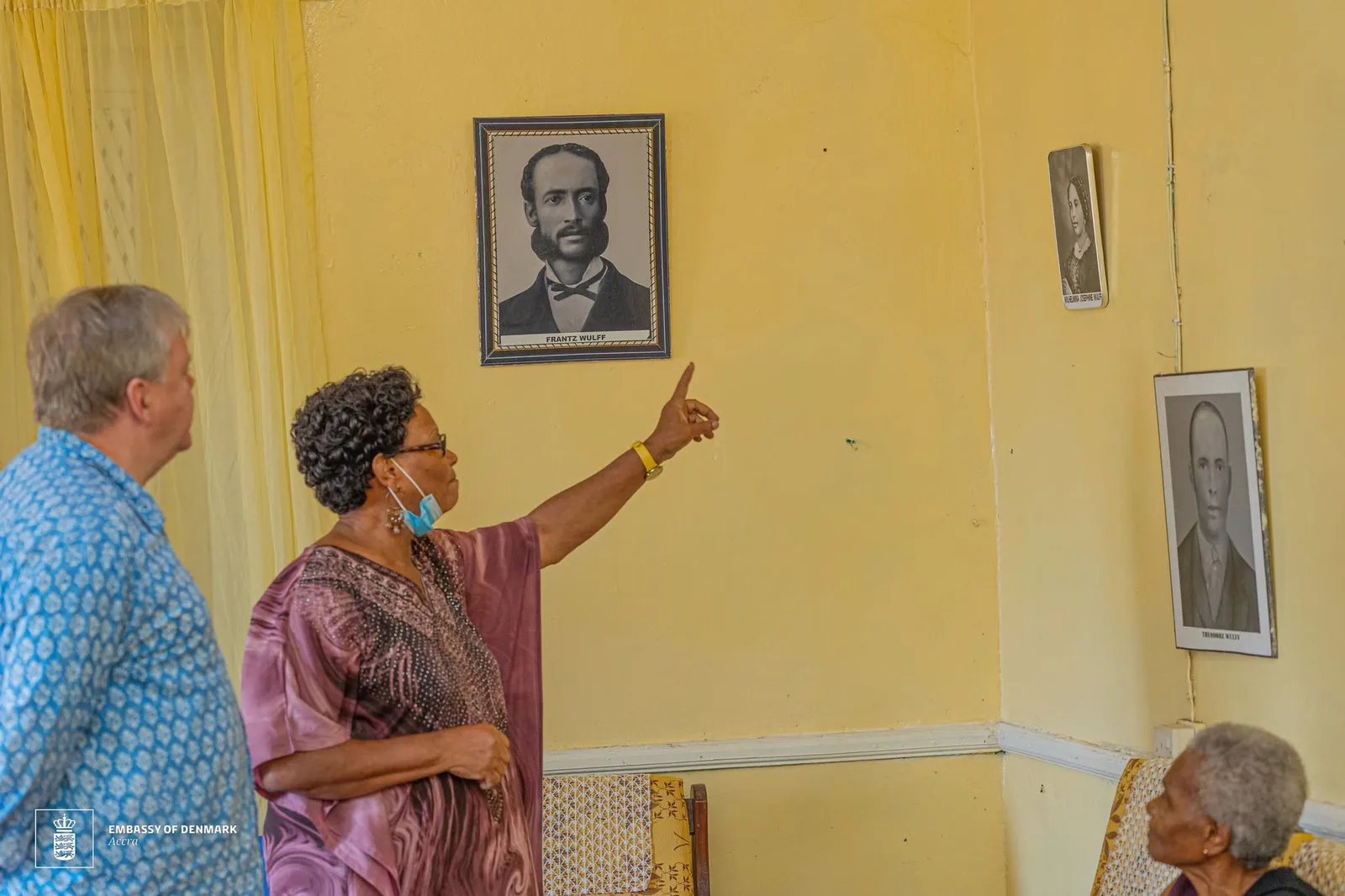
The Wulff-Cochrane family descends from Wulff Joseph Wulff, a Danish Jewish civil servant and trader who arrived at Christiansborg Castle in Osu in 1836 and married Sarah Malm, a Ga-Danish woman.
Because he was Jewish, his Danish superiors treated him as an outsider, and in 1840 he built his own house on Castle Road and named it Frederichs Minde, after the Danish plantation Frederiksgave outside Accra.
When he died in 1842, he was buried inside the house in keeping with Ga custom, as was his daughter Wilhelmine, whose relationship with a British officer, Major Cochrane, gave the family the second half of its name.
The gate still carries the inscription “FREDERICHS MINDE 1840 W.I. WULFF,” and the Danish Embassy says the Wulff-Cochrane family living there today are Wulff’s seventh generation of descendants, who regularly welcome Scandinavian visitors.
Sawyerr
The Sawyerrs of Accra are Krio, and they share that heritage with families such as the Easmons, Doves, Yorkes, Parkes, Awoonors and Davieses.
Their story begins with the founding of Freetown in Sierra Leone, where in 1792 formerly enslaved Black Loyalists arrived from Nova Scotia in Canada, after fighting for the British during the American War of Independence.
Over the following decades, they were joined by Africans freed from slave ships, many of them Yoruba.
Some of their descendants later moved to the Gold Coast, where a branch of the Sawyerrs settled around what is now Asafoatse Nettey Road in Accra and became Ga over the generations.
One of the family’s best-known members was Akilagpa Sawyerr, born in 1883 to the merchant J. W. Sawyerr and Christiana Kwaley Sawyerr of the Owooman royal family of Faase, who studied in Freetown, helped found the National Congress of British West Africa and became the first Accra Municipal Council member elected to the Legislative Council.
His son, Professor Akilagpa Sawyerr, went on to serve as Vice-Chancellor of the University of Ghana from 1985 to 1992 and later as Secretary-General of the Association of African Universities.
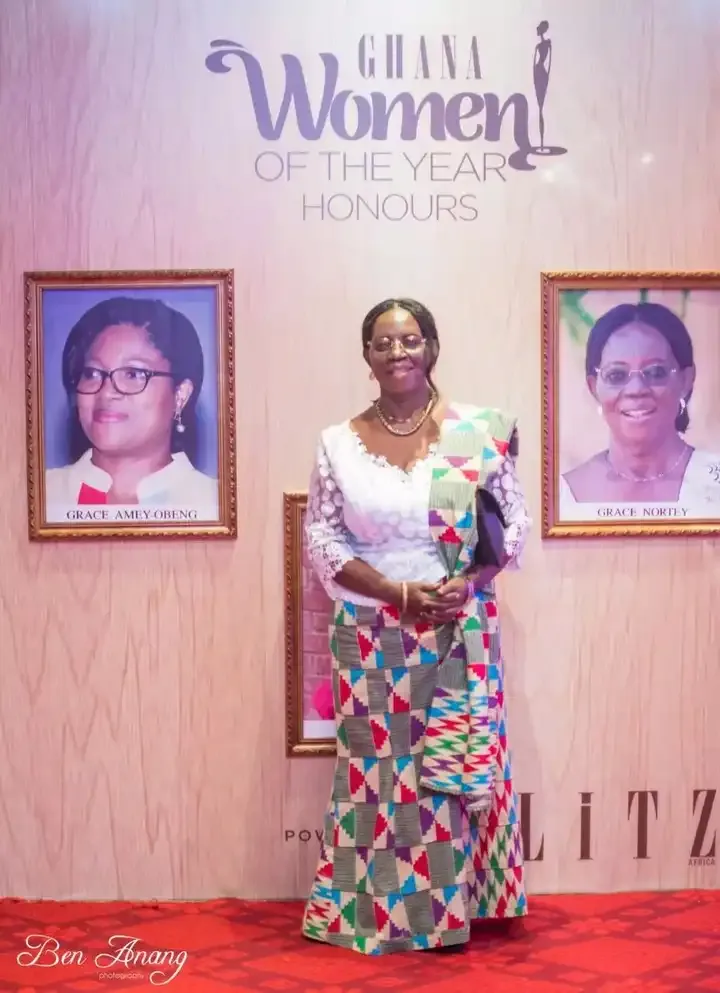
The late actress Grace Nortey was the professor’s sister