


If you looked at the photos from Friday’s Call to the Bar, every new lawyer had the same curly white wig on their head, the same style judges have worn in Ghanaian courts for generations.
It’s such a normal sight that most of us never ask why a lawyer in Accra, where it’s over 30 degrees most days, needs to wear horsehair on their head to argue a case.
The wig started out as a fashion trend in Europe. Science ABC traces it to France around 1655, when a young Louis XIV began losing his hair and hired wigmakers to cover it.
His cousin Charles II brought the style to England when he returned to the throne in 1660, and according to Counsel, the UK Bar Council’s magazine, wigs replaced the bonnets and caps barristers had worn in court by the 1680s.
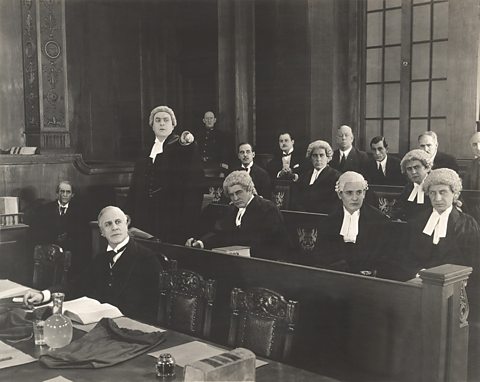
For a long time they were just part of how wealthy men dressed, with no rule saying lawyers had to wear them.
Everyday wigs went out of fashion in the late 18th century, partly because Britain introduced a tax on hair powder, but lawyers held on to theirs.
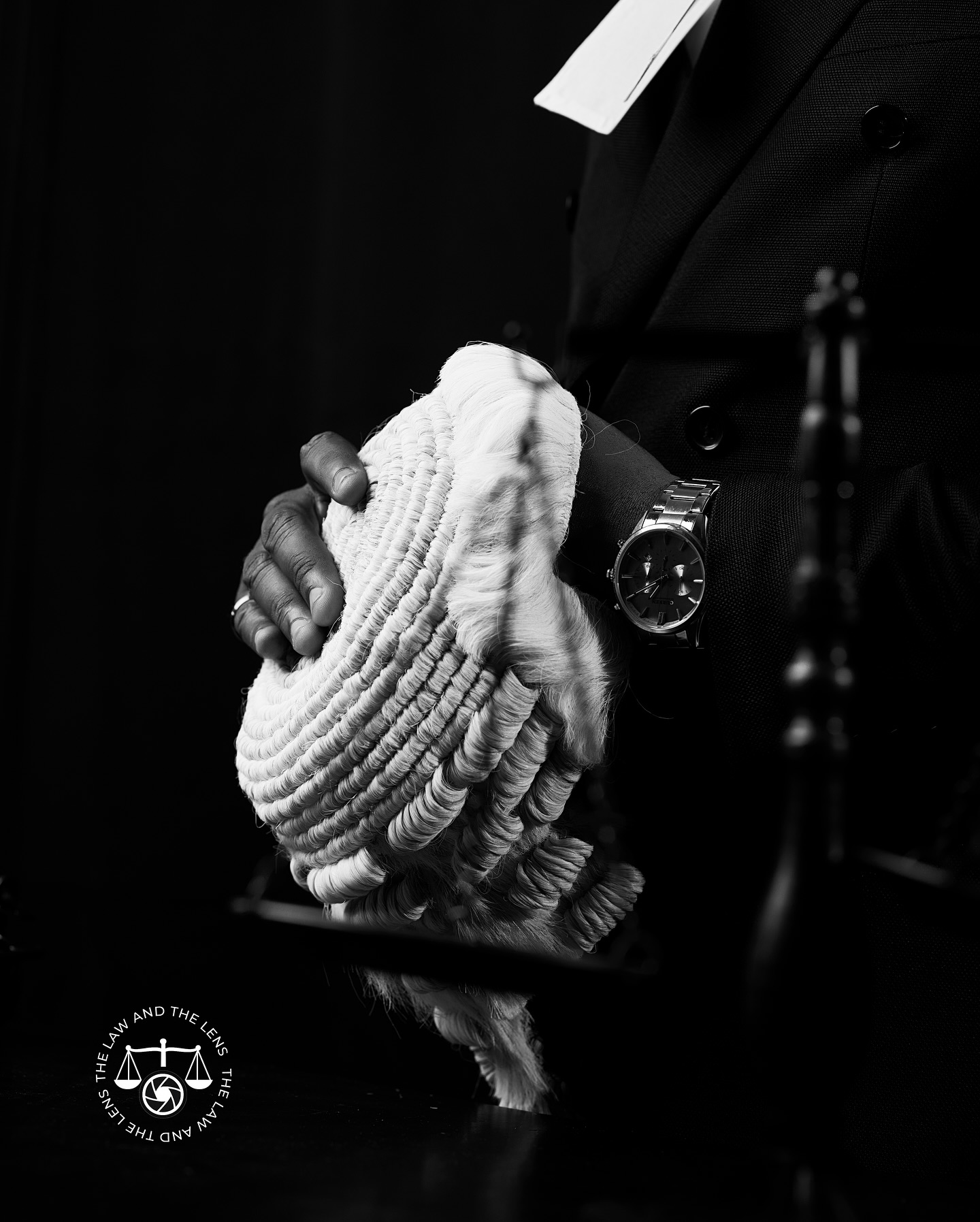
In 1822, Humphrey Ravenscroft patented a powderless horsehair wig that became the standard for barristers, and by 1844 the wig had become compulsory. Counsel records that in the case of R v Whitaker that year, a barrister named Mr Bodkin was refused a hearing because he appeared without his wig and gown, which established that barristers would not be heard without them.
Britain took the wig to its colonies along with English common law, and in Ghana it stayed after independence.
In November 2017, Chief Justice Sophia Akuffo made it compulsory for every judge to wear a wig and robe in court “with immediate effect.”
Her memo said the rule would preserve the tradition of the legal profession, give judges some protection by making them harder to recognise, and get rid of what she called “creeping casualness in the judicial system.”
Why some people want them gone
In 2017, the Washington Post looked at why so many former British colonies in Africa still use wigs and pointed out that during Kenya’s Mau Mau uprising, wig-wearing colonial judges sentenced more than 1,000 Kenyans to death. The same report quoted the Ghanaian lawyer Augustine Niber, who argued that removing wigs would reduce the “intimidation and fear that often characterise our courtrooms” for ordinary people who come before a judge.
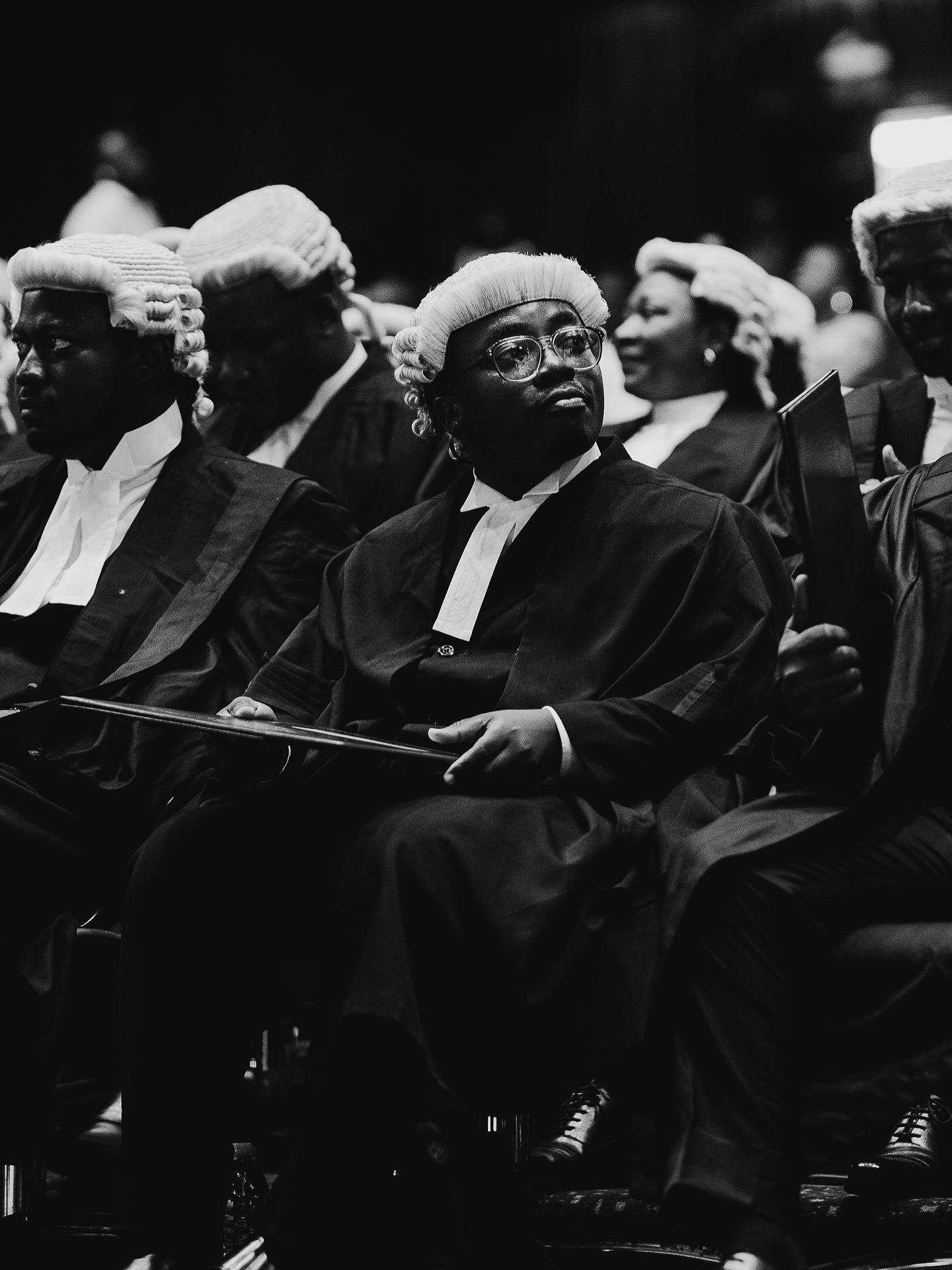
Wigs are also expensive, and the Washington Post cited an investigation by Uganda’s New Vision newspaper that found each judicial wig cost about $6,500. In Britain itself, BBC News reported on 1 October 2008 that judges in civil and family cases in England and Wales had stopped wearing wigs under a new dress code.
When Kenya’s former Chief Justice Willy Mutunga pushed to scrap wigs, many judges and lawyers opposed him, and his successor, David Maraga, wore a long white wig at his swearing-in in 2017.
Burkina Faso, a former French colony whose courts never used wigs, replaced its imported French-style robes in 2024 with ones made from Faso Dan Fani, the hand-woven local fabric.
According to the US Library of Congress, the new robes cost about 150,000 CFA each, compared with up to 3 million CFA for the imported ones, and Justice Minister Rodrigue Bayala said the change marked “the end of the wearing of court suits inherited from the colonial era.”
In Ghana, a law student from KNUST Phyllis Osei-Korsah suggested in a Modern Ghana column last year that the country adopt a robe inspired by local fabrics, asking, “Must justice in Ghana still wear the face of empire?”