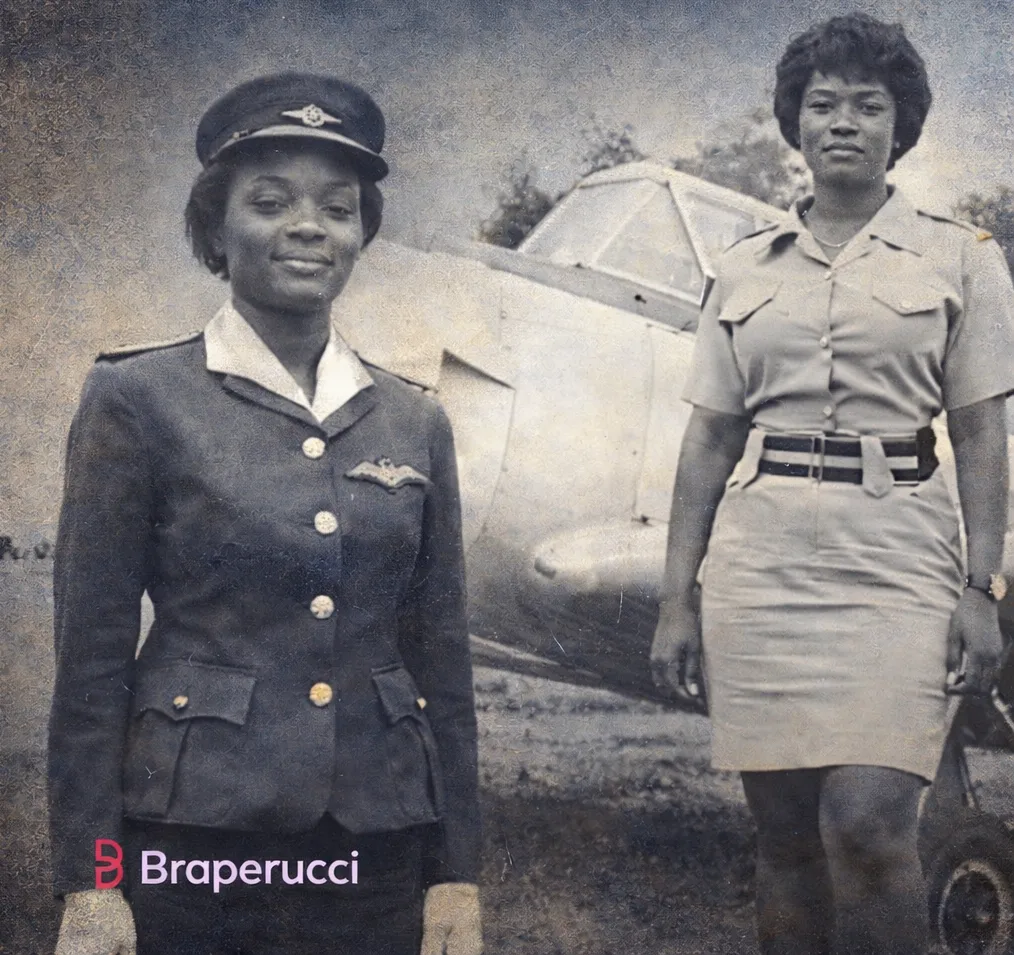
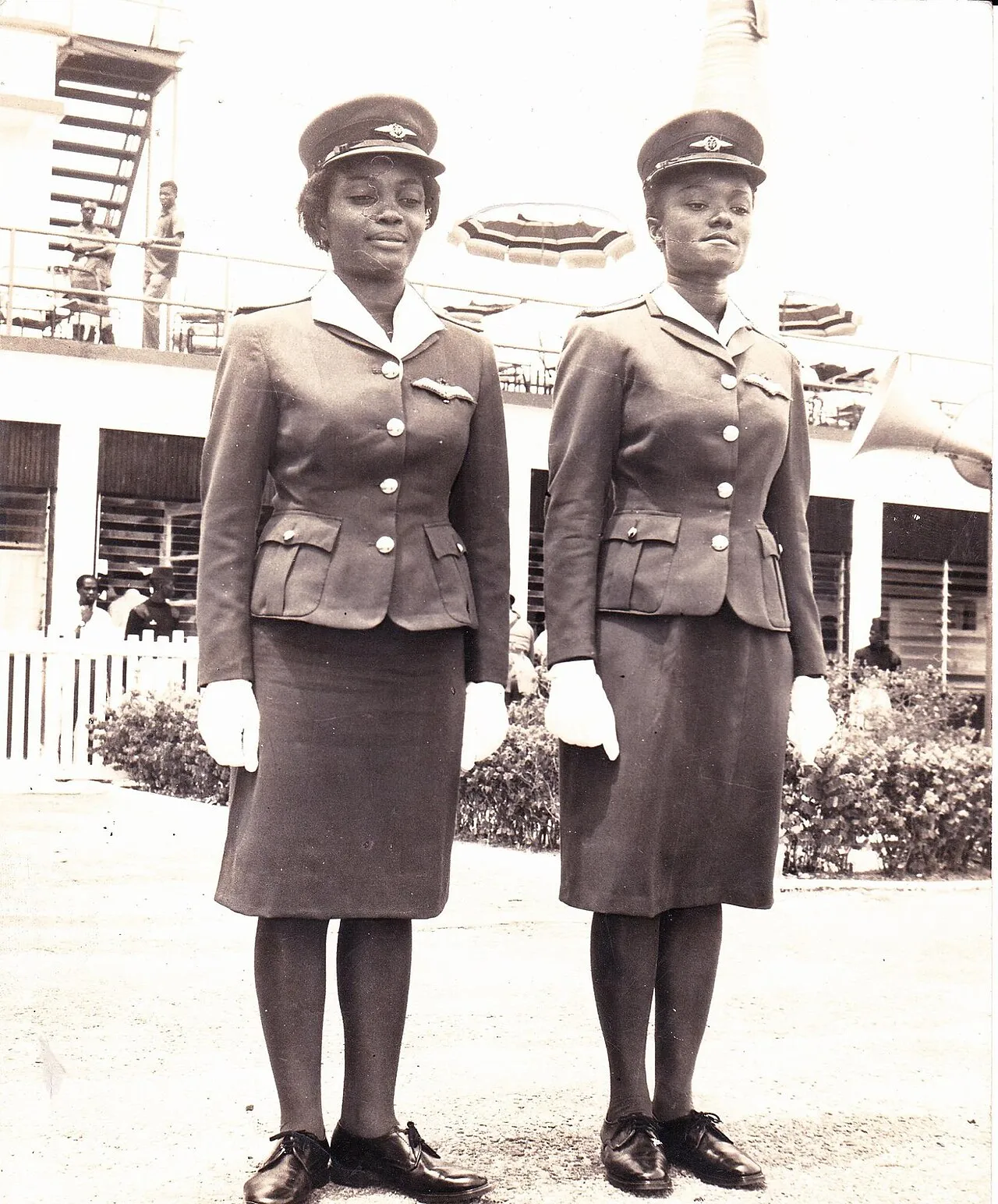
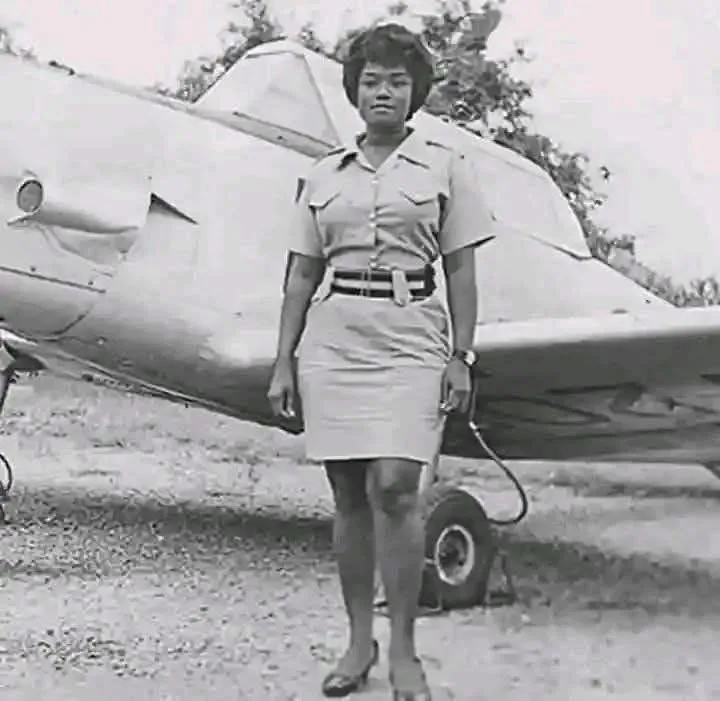
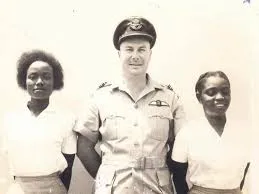
Their names were Melody Millicent Danquah and Ayele Kome. Between them, they secured a place in Ghana’s history as the country’s first female military pilots; a distinction earned through training, discipline and timing.
A Door Opens
In 1963, President Kwame Nkrumah authorised the recruitment of women into the Ghana Air Force. The decision formed part of a broader national effort to demonstrate that the newly independent republic could build modern institutions on equal terms with older states.
Three women were admitted for pilot training. Only two completed the programme: Danquah and Kome.
They underwent military instruction at the Ghana Military Academy before progressing to flight training. The course was described as rigorous, and attrition was expected; completion was not guaranteed.
Days That Mattered
The question of who was “first” rests on a narrow margin of days.
In 1964, Ayele Kome completed her first solo flight, making her Ghana’s first female pilot. A week later, on 22 June 1964, Flight Cadet Melody Danquah flew solo in a de Havilland Canada DHC-1 Chipmunk aircraft. She also graduated first in her class.
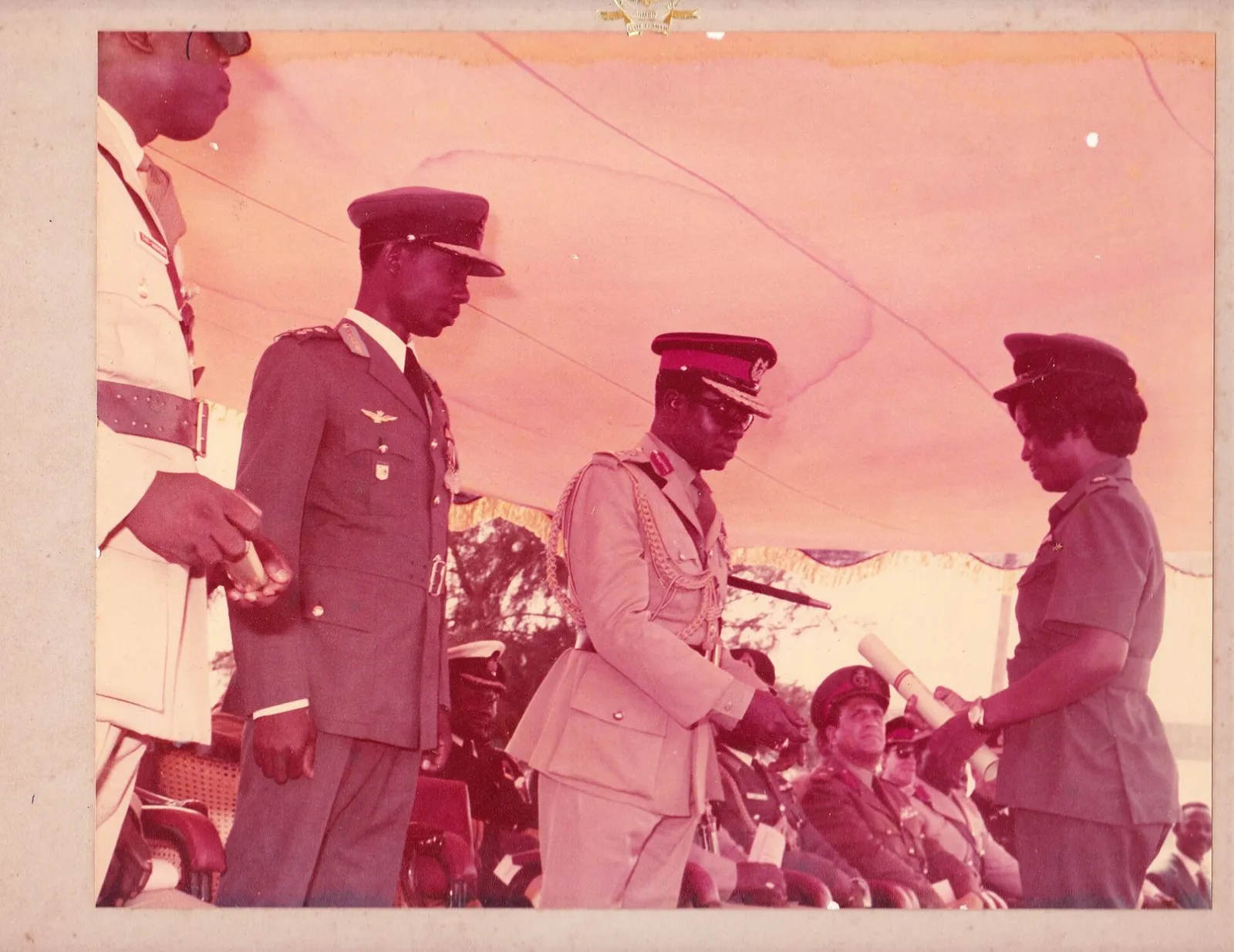
On 15 April 1965, both women received their Wings from the Minister of Defence, Kofi Baako. Ghana now had its first female military aviators.
Danquah’s achievement placed her among the early generation of African women in aviation, following pioneers such as Lotfia Elnadi, who obtained her pilot’s licence in 1933.
Before a Continental Audience
Their competence was soon put to the test in public view.
In 1965, Accra hosted a summit of the Organisation of African Unity. As part of the programme, an aerial display was organised at Afienya.
Melody Danquah piloted a Beaver aircraft during the demonstration. This performance was later duplicated at Afienya during the conference itself. On that occasion, she was co-piloted by Ayele Kome. Together, they had assembled African presidents before.
It was a practical assignment rather than a ceremonial one. They were in the cockpit because they were qualified to be there.
After the Flying Years
Danquah’s active flying career ended in June 1968. She continued to serve in administrative roles within the Air Force and was honourably discharged in 1984 due to ill health. She received both a Long Service Award and The Efficiency Medal.
Her later years were varied. She worked briefly with the World Food Programme and the National Service Secretariat. At the age of 60, she pursued a diploma in Bible Studies and Theology and went on to preach within military circles. She also served on the board of the Ghana Institute of Management and Public Administration during a period of institutional reform.
In 2006, President John Agyekum Kufuor awarded her the Companion of the Order of the Volta in recognition of her role in Ghana’s aviation history.
Melody Millicent Danquah passed away on March 18, 2016, at the age of 79.
Ayele Kome, now Ayele Essel-Ampah, later settled in Alberta, Canada. She remains closely associated with that formative period in Ghana’s Air Force.
A Record Set
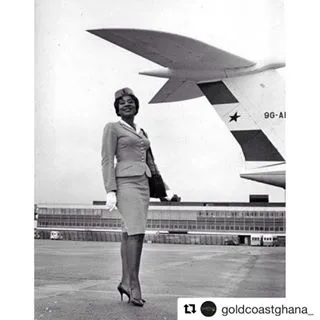
Their story is often told as a milestone in the advancement of women. It is that. It is also a chapter in the institutional history of a young nation determined to train its own.
In pressed uniforms, inside training aircraft built for discipline rather than comfort, they did the work required of any cadet.