


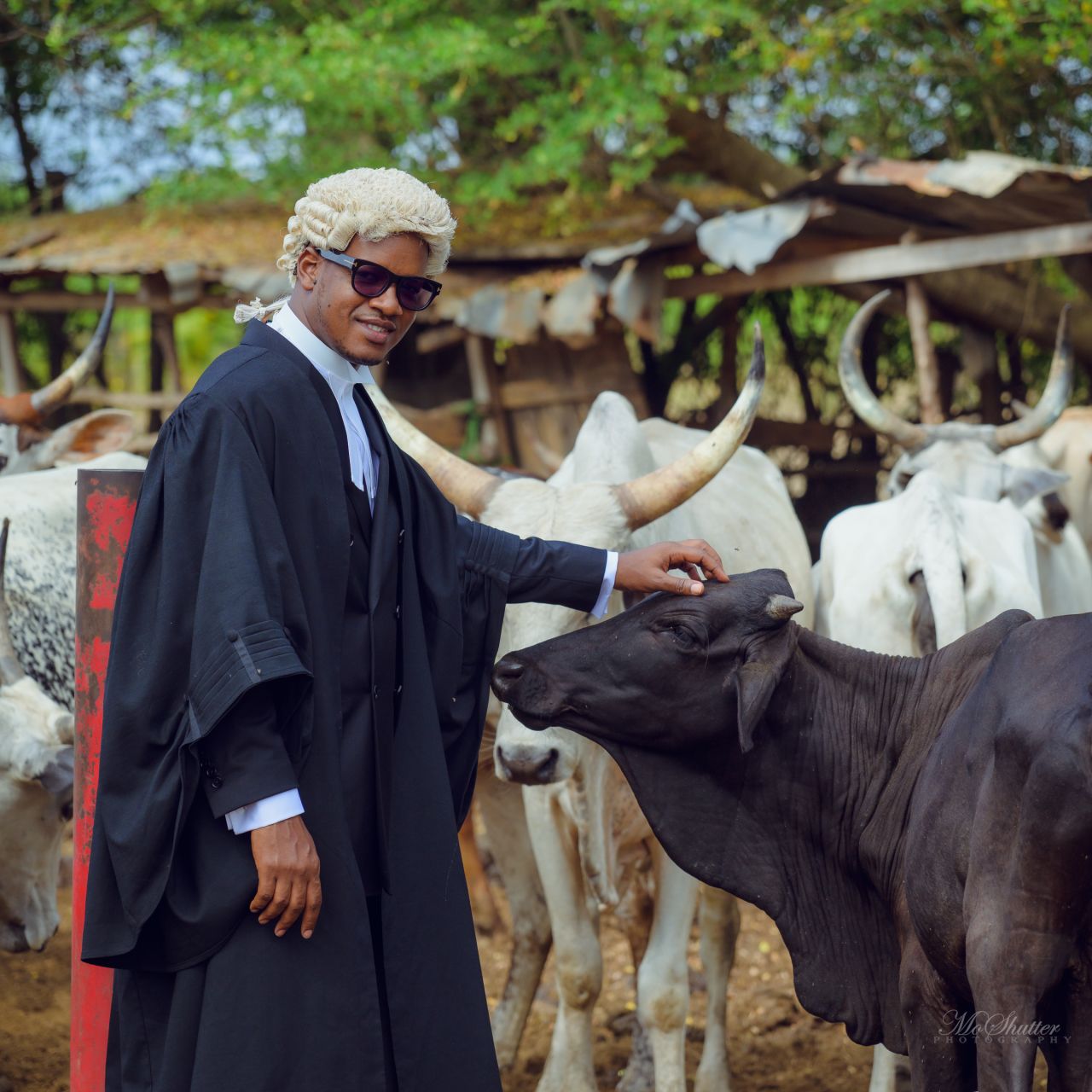
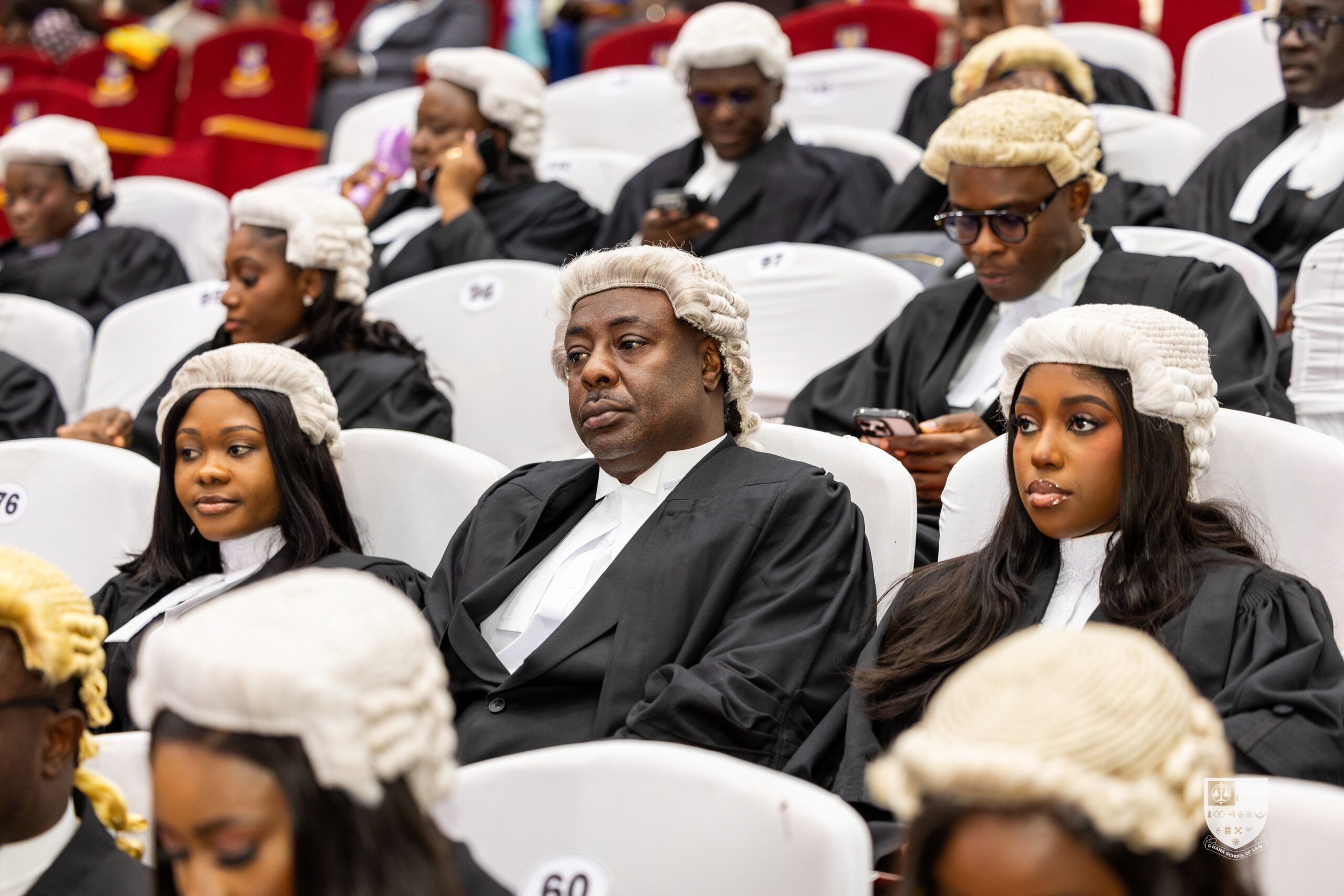
Over the weekend, it was almost impossible to open Instagram without seeing a new lawyer in a wig and gown at the Accra International Conference Centre, where 1,568 people were called to the Ghana Bar on Friday.
Many of us have used the phrase “called to the Bar” for years without ever asking what the bar actually is.
Here’s what it means.
According to BBC History Revealed, the bar was a railing or partition in English courtrooms that kept court officials apart from the public watching proceedings.
Lawyers started being appointed to plead for people bringing cases in the King’s Courts in the 13th century, and a century later, after the Knights Templar fell, lawyers took over the order’s old buildings in London.
The four Inns of Court, namely Lincoln’s Inn, Gray’s Inn, Inner Temple and Middle Temple, grew from there.
READ MORE: 6 call to the bar 2026 stories that moved us
Each Inn had a bar partition of its own. When a student qualified, they were “called” across it to the place reserved for qualified practitioners, and from then on they were barristers. Eventually “the Bar” came to mean barristers as a group, and that is the sense in the name Ghana Bar Association.
So how did a London tradition end up in Accra?
Under colonial rule, any Gold Coaster who wanted to become a barrister had to train at one of those Inns in London, and that remained the case until the Ghana School of Law opened in 1958.
John Mensah Sarbah was the first native-born Ghanaian to be called to the English Bar, at Lincoln’s Inn in 1887.
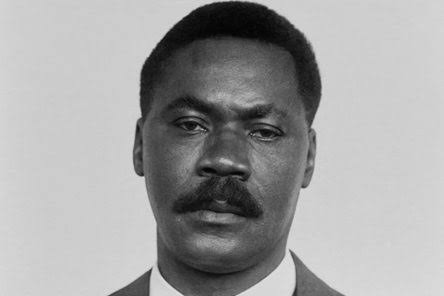
He returned to the Gold Coast to start a private practice, and in 1897 he joined J.E. Casely Hayford and others in founding the Aborigines’ Rights Protection Society to fight a colonial Lands Bill that threatened traditional land ownership.
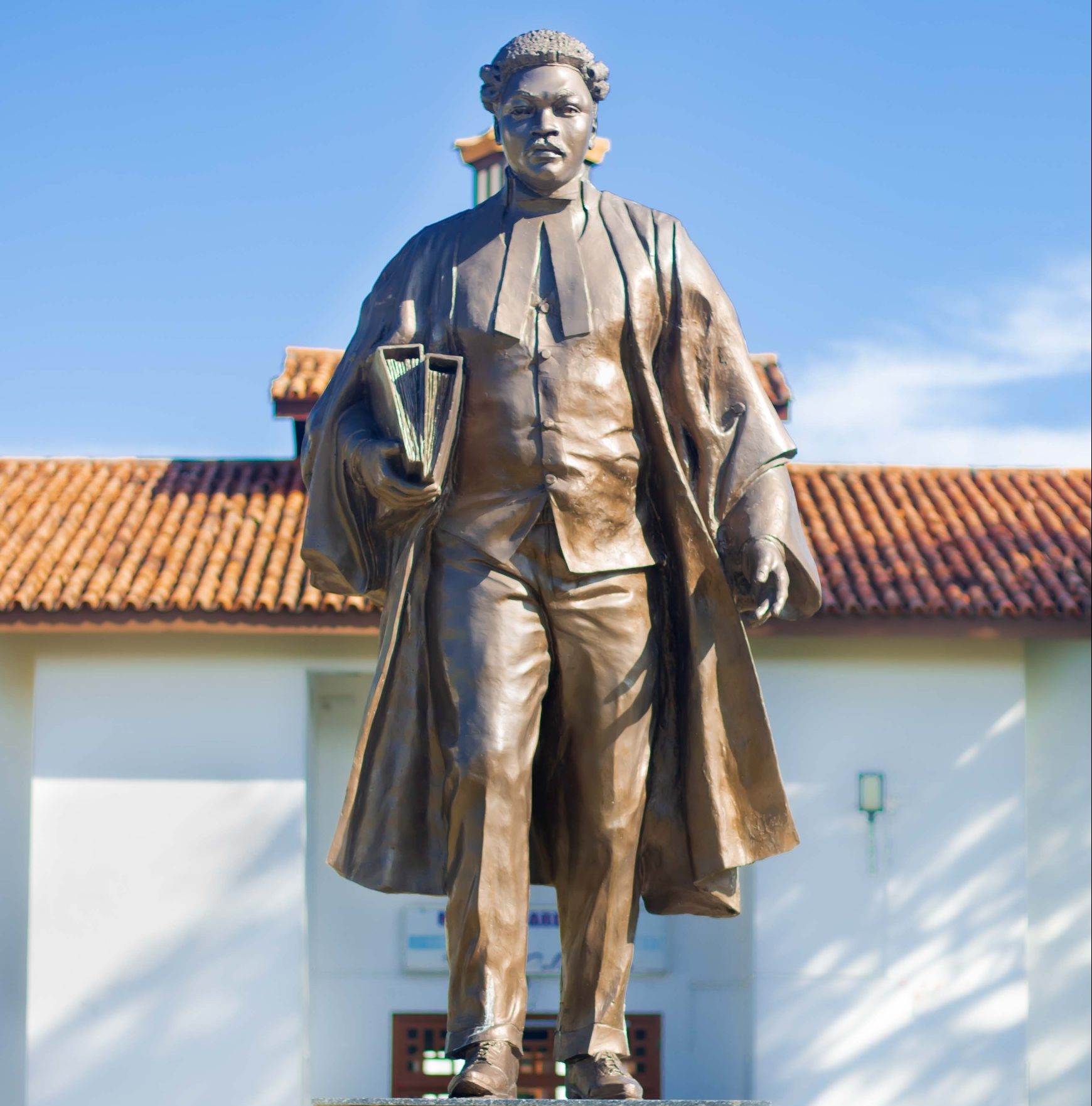
The award for the best professional law student, which KNUST Law alumna Akosua Achiaa Sarpong won on Friday, is named after him.
View this post on Instagram
In 1958, a year after independence, Parliament passed the Legal Practitioners Act and created the General Legal Council.
The Council first met on 3 September 1958 at the Supreme Court building, with Sir Arku Korsah, the first Ghanaian Chief Justice, in the chair.
The Ghana School of Law opened at Makola that December, with facilities provided by Kwame Nkrumah’s government.
READ MORE: Justice Annie Jiagge: The first Ghanaian woman to become a lawyer by defying patriarchy
Ninety-seven students started the course, and on 22 June 1963 nine of them were enrolled as Ghana’s first locally trained lawyers. “It is gratifying that the Ghana Law School has been able to produce its first nine qualified lawyers,” Nkrumah said.
Why “Barrister and Solicitor”?
New lawyers in Ghana are enrolled as “Barristers and Solicitors of the Supreme Court of Ghana,” and the double title means they can do two jobs.
In England, barristers mostly argue cases in court and solicitors give legal advice and handle clients’ paperwork, and a lawyer usually trains for one or the other, while in Ghana the same lawyer can do both.
How many lawyers has Ghana produced?
According to the Ghana School of Law, more than 8,000 people were called to the Ghana Bar between 1877 and June 2021.
Last October, lawyer and lecturer Dr Kwaku Boadu said on Channel One TV that Ghana has trained about 11,400 lawyers since 1877.
Friday’s group of 1,568 is also much bigger than last year, when 824 people were called.
In 1887, Sarbah had to cross to England to be called to the Bar at Lincoln’s Inn, and on Friday, more than a century later, 1,568 Ghanaians were called without leaving Accra.