


When Sheila Azuntaba won the Miss Ghana crown in 1996, becoming the first woman from the country’s north to do so, she was nineteen, and her mother had no idea it was coming.
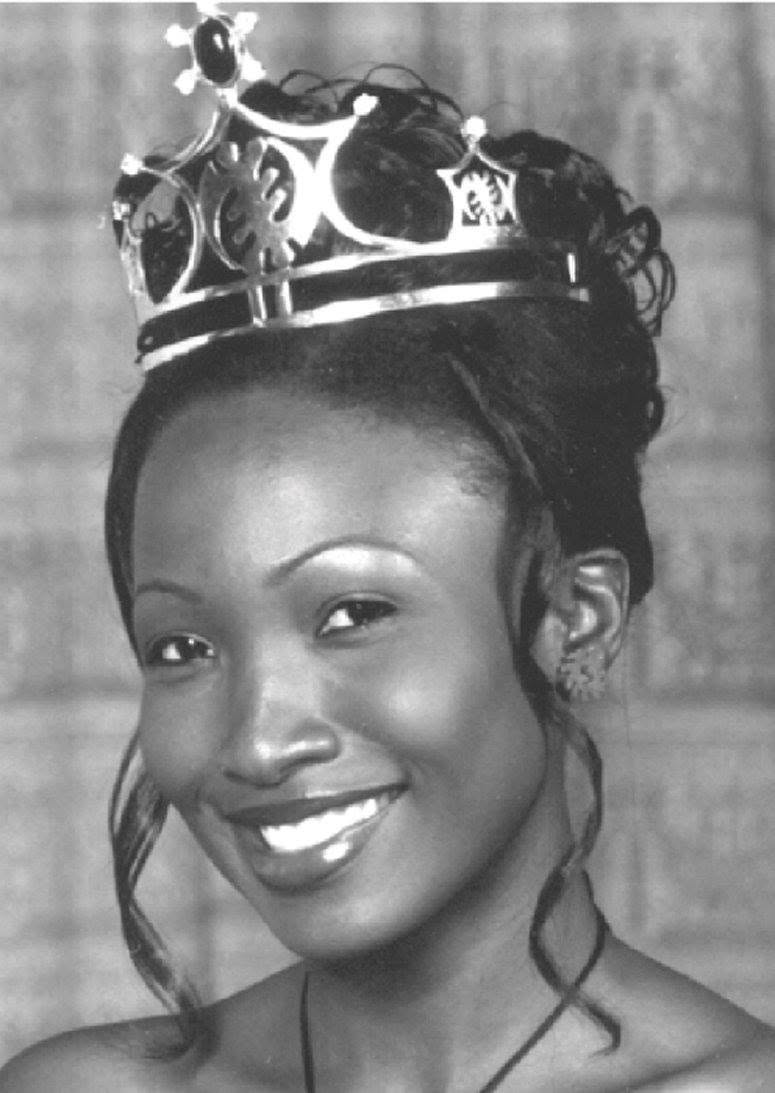
The two had gone together to watch the regional pageant, Azuntaba, as a spectator only, with university looming and little appetite in the family for a detour into pageantry.
It was the prize money, not the crown, that first caught her attention: enough, she calculated, to cover a party she could not otherwise afford. Unable to ask her mother’s permission directly, she arranged with one of the event’s presenters to have her name called from the stage instead, betting that a public announcement would leave her mother unable to object in front of a crowd. The gambit worked. She went up, and she won.
What followed was a year she says she owed to her family as much as to Ghana. She had made what amounted to a pact with her mother: a year as a beauty queen, then straight back to her studies, no drifting.
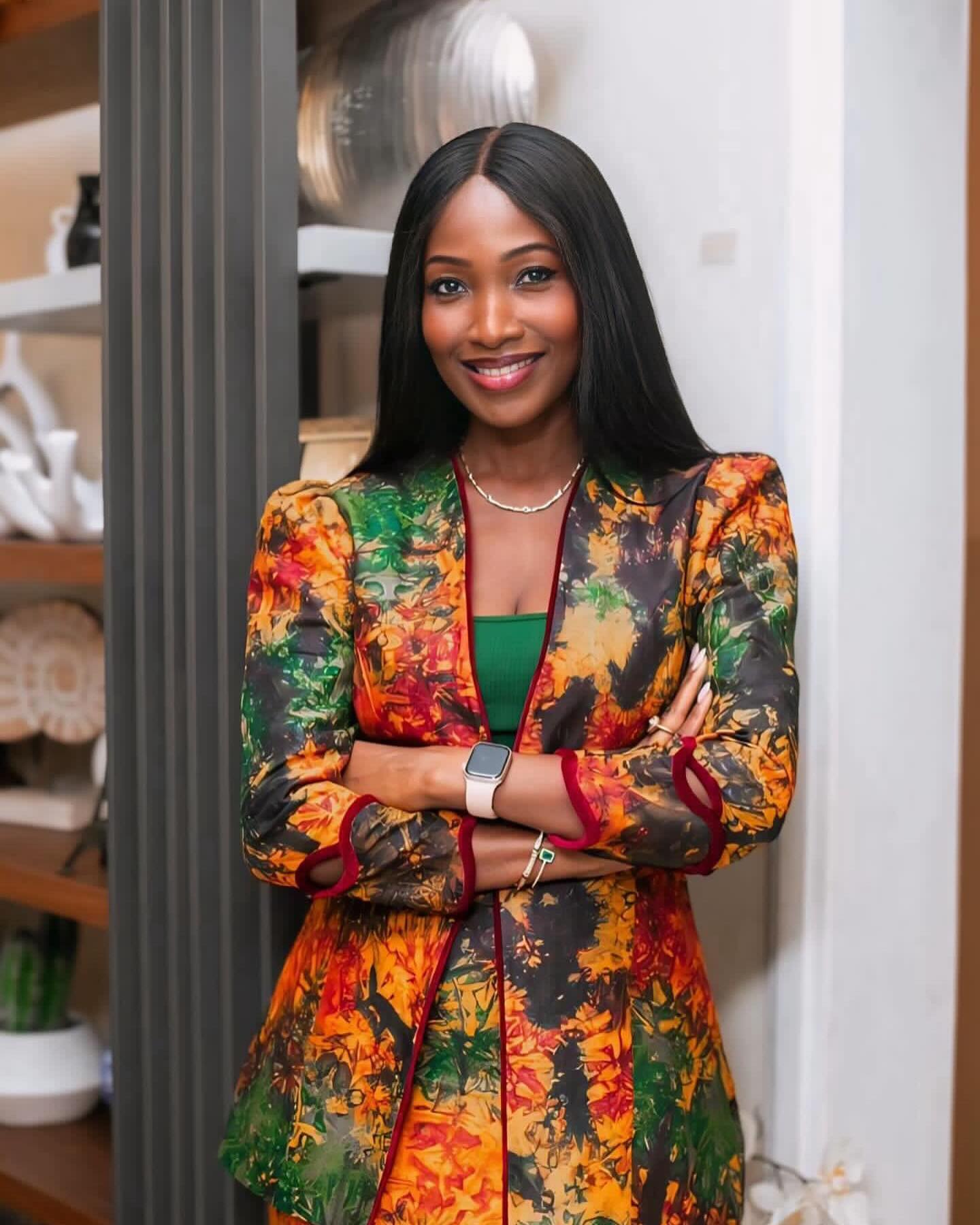
She had a sister at university, a younger sister watching closely, and a brother to answer to. Being the first queen from the Upper East region carried its own weight, too. Girls from the north began entering pageants who had not considered it before, and Azuntaba felt she owed them the follow-through. “I couldn’t have disappointed them,” she has said. “And of course, my mum would have killed me.”
After handing over the crown, she kept her word and young Sheila Azuntaba took a job as a marketing officer at an insurance company, and it was there, that she decided formal education could not wait. She enrolled at the University of Westminster in London, majoring in marketing and business, funded in part by the doors the Miss Ghana platform had opened for her.
A career in finance was not the obvious next step after a pageant win, and by her own account, Sheila Azuntaba, revealed that she faced her share of doubters when she began work in the sector. She proved them wrong and stayed true to her values. Whatever resistance she met, the crown had already given her a foothold: “At the age of nineteen you wake up, you grow up overnight,” she has said of the period right after winning it.
READ MORE: Catherine Krobo Edusei: The mother who made Ghana eat its vegetables
She returned to Ghana after graduating and joined Ecobank as a relationship officer, marketing financial products, work that planted what she calls her first real interest in banking.
A colleague later mentioned a Chevening scholarship; she applied, was accepted, and went to Strathclyde Business School in Glasgow for an MBA in finance, with Ecobank holding her position open for the year she was away. She returned to the bank as promised. She did not stay long. “I got bored, really,” she has said. “I always wanted to work with an international bank.” An opening at Citigroup caught her attention, and she applied on the logic that there was, as she put it, “nothing to lose.”

Two months of silence followed, then an email: would she consider a posting in Nairobi rather than Ghana? She flew down for three days of interviews, department to department, uncertain a market as competitive as Kenya’s would want a Ghanaian banker without local experience. Three weeks later, an offer arrived requiring immediate relocation. She did not hesitate. “That’s it,” she recalls telling herself. “We’re going to Nairobi.” She stayed just under three years, picking up enough Swahili to get by, working as a corporate and investment banker, and absorbing, as she describes it, both a banker’s and an entrepreneur’s view of the same industry.
READ MORE: Pioneering Women: Joyce Ababio, the Ghanaian fashion educator who trained 20,000 designers
A subsequent opening in Lagos met with resistance from colleagues reluctant to relocate again. Azuntaba, weighing a shorter flight home to Ghana against a market twice the size, took it without hesitation, heading Citigroup’s Global Transaction Services division there for close to two years.
The idea for Innovative Microfinance did not arrive as a single decision. Azuntaba resigned from Citigroup and returned home from Lagos with her newborn son, uninterested in going straight back into corporate banking. “You don’t want anybody to touch the baby,” she has said of that period. “You want to spend all the time with it.” Unemployed and at home, she found herself returning to an old MBA dissertation project on microfinance, one she had shelved years earlier. What began as a favour to friends and family, small loans to help people she knew get a business off the ground, was really a test of whether the concept could work at all.

A former business contact, someone she had once worked with in both Nairobi and Ghana, heard what she was doing and asked her to formalise it. She had no outside capital at that point, only her own savings, so the two sat down and built a proposal together, with an explicit focus on impact rather than returns alone. He was not Ghanaian and had no roots in the country’s north, but had built much of his business there and wanted, in her telling, to give something back. “Giving back is easy,” she has said of the instinct behind it. “There are so many NGOs, and they always think about, let’s see how we can put money here.” Together they shaped the idea into something more structured, aimed specifically at women in the Northern Region.
In 2008, that project became Innovative Microfinance Ltd, modelled on ASA in Bangladesh, an institution widely credited with proving that microfinance could operate at scale and sustainably. “You go to the North, and you see a woman, and she’s got four or five kids to feed, and a lot of times they don’t even sleep,” she has said of the women the institution was designed to serve. “The entire purpose is to empower as many women as possible.” Over nearly two decades, it has reached more than 100,000 people.
Raising capital was its own battle. Banks were reluctant to extend credit to a startup with no track record, and the institution’s public-facing status as a deposit-taking microfinance company only sharpened the problem. “Who’s going to trust you,” she has said of that period, “because you’re an ex-queen? People think all she knows is fashion. She just wants to wear her stilettos and be all over the place, dress up.” The stereotype, she has said, genuinely affected the business, and getting past it took more than persistence. There were days, she has admitted, when the simpler option, taking an ordinary job instead, felt tempting. But it was never going to be enough. “That’s not really going to fulfil me,” she has said, “because what else then do you have to say for yourself?”
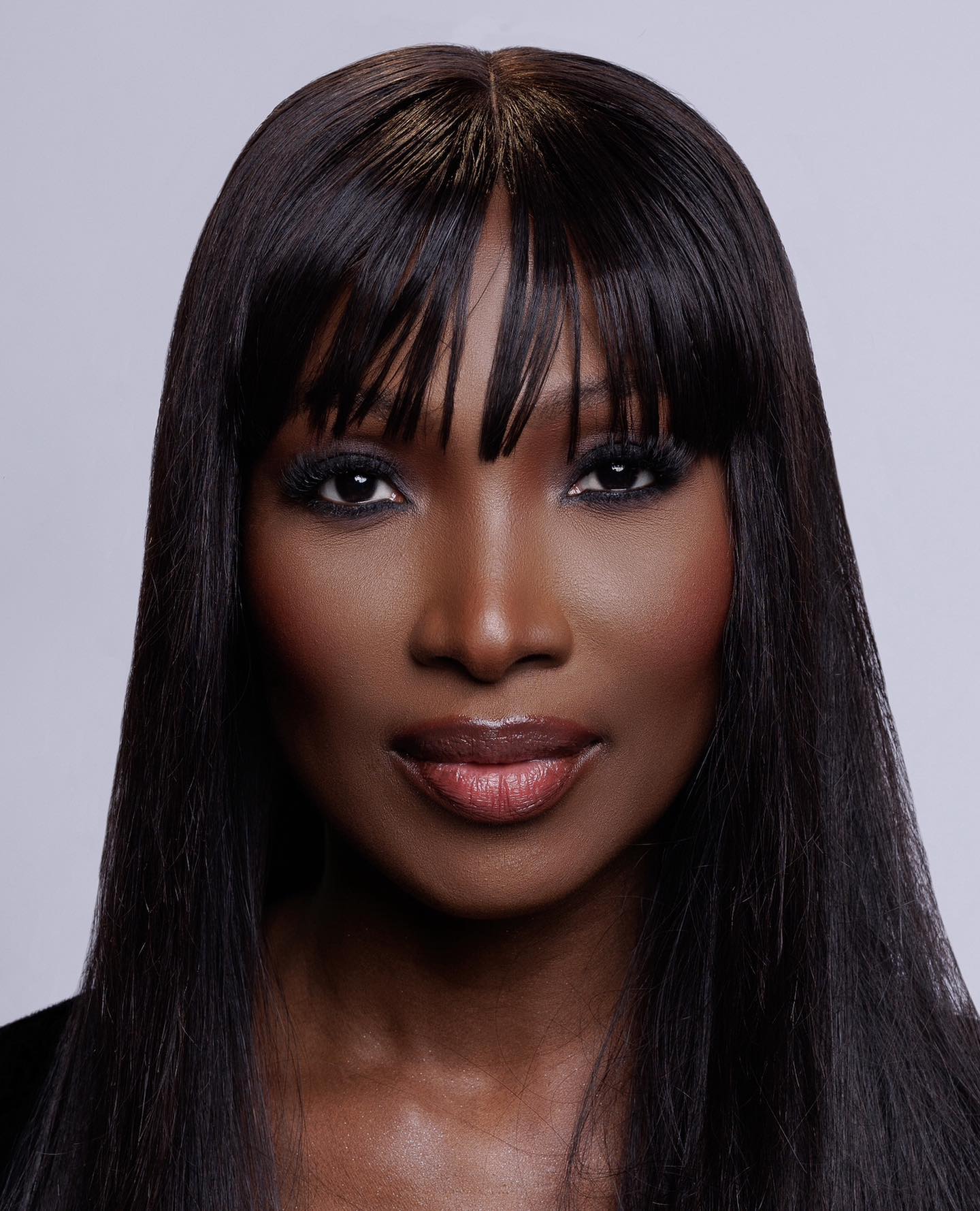
In March 2025, Sheila Azuntaba was appointed deputy managing director of Consolidated Bank Ghana, a state-owned lender, alongside Naomi Wolali Kwetey as acting managing director, the bank’s first female leadership pairing since its founding. In a statement marking the appointment, she credited both her faith and the women who preceded her in Ghanaian banking, calling Ms Kwetey’s rise “a groundbreaking moment, not just for our institution, but for women everywhere who continue to rise, take up space, and shatter glass ceilings.”
Sheila Azuntaba’s career, taken as a whole, reads as a long argument against the assumption that met her at its outset: that a crown and a balance sheet belonged to different kinds of women.
#HowToRunIt is a Braperucci Africa series documenting the Ghanaian entrepreneurial journey, the decisions, the setbacks, the financial lessons, and the years of work that rarely make the headline. Every story in this series is researched and written from publicly available information and verified sources. We welcome entrepreneurs who want to share their own story and the lessons behind it. Reach us at info@braperucci.africa /braperucci@gmail.com