


As U.S congressional leaders continue to received both backlash and praise for wearing Kente stoles to honour the memory of George Floyd, the world is paying attention to the fabric that has deep intrinsic meaning in Ghanaian culture.

For most people including African Americans, all they know about the woven silk and cotton fabric is its links to Ghana and the annual use as stoles during graduation.
In this article, we share some important insights from oral tradition, published sources and travel photographers on Kente’s etymology, origin, myths and artistic value among others.
Meaning and Origin
First and foremost, Kente cloths are quite different from the Adinkra fabric. However, in modern times Adinkra symbols are sometimes incorporated into Kente fabrics despite the latter having its own symbols.
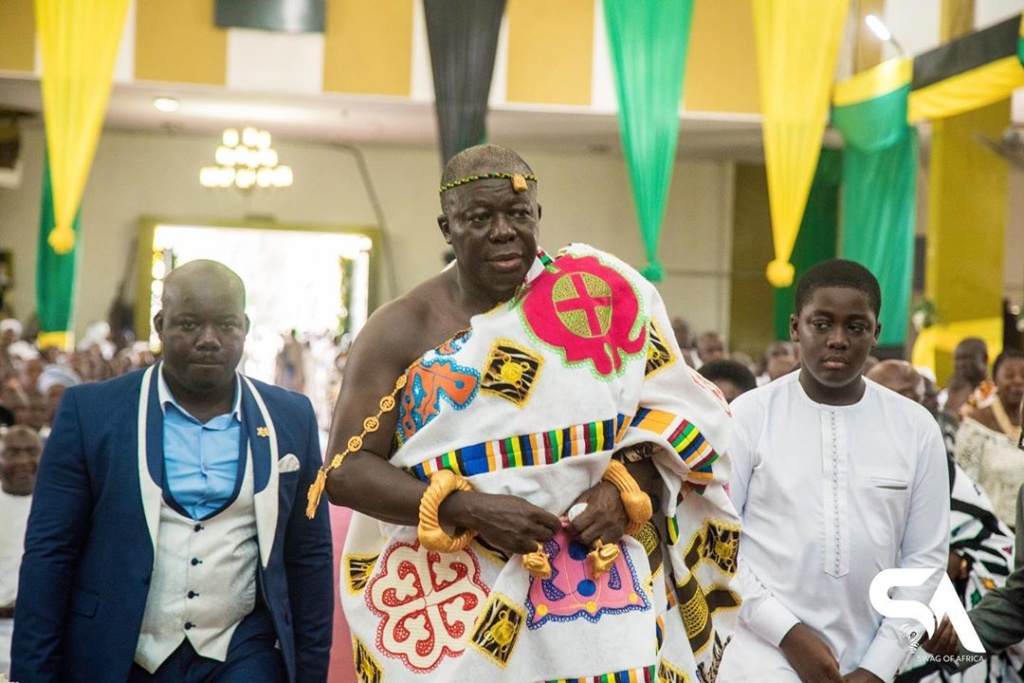
Kente fabrics are worn during festive occasions like marriages, independence celebrations, festivals and birthday celebrations.
Dr Boatema Boateng, an Associate Professor of Communication at the University of California, San Diego explains some key facts about the fabric in her article, “Examining Ghana’s use of intellectual property law to protect adinkra and kente fabrics
She points out that: Adinkra textiles are fabrics with designs stencilled onto them using a black dye. The fabric is used mainly for funerals, but when the designs are stencilled onto a white background, adinkra cloth can also be used for a celebration. Each adinkra design has a specific meaning, for example, the most well-known design, Gye Nyame, refers to the power of God.
Popular myths link both adinkra and Asante kente cloth to the Asante kingdom, which emerged in the early 18th century in the area that is now called Ghana and still exists in diminished form.
Adinkra is said to have come from Gyaman, near the border between Ghana and the Ivory Coast, and kente from Salaga, to the northeast of Asante.
According to oral history, Kente was developed during the 17th Century by the inhabitants of Ashanti Kingdom. The town of Bonwire in Ejisu-Juaben Municipal district in the Ashanti Region of Ghana is home to the Akan version of the cloth.
Etymology

Ghanaian photographer, Yaw Pare who has covered the lengths and breadths of Ghana also his version of the etymology which picked from local weavers who also acts as historians.
“The origin of Kente in both legends and history. For the legend, two hunters named Ameyaw and Kuragu had their weaving lessons from a spider that was weaving its web. They tried to do the same by weaving a beautiful fabric,”
“Due to the nature of the weaving of the web, the fabric they produced looked like a basket which is known in the local dialect as “K3nt3n”. The cloth then became “k3nt3n ntoma” which over time has become Kente.”
Techniques

Kente cloth is made using the strip-weaving technique that is widespread in different parts of Africa. In Ghana, the name “kente” refers to the strip-woven cloth of two ethnic groups, the Ewe, and the Asante.
How it’s woven
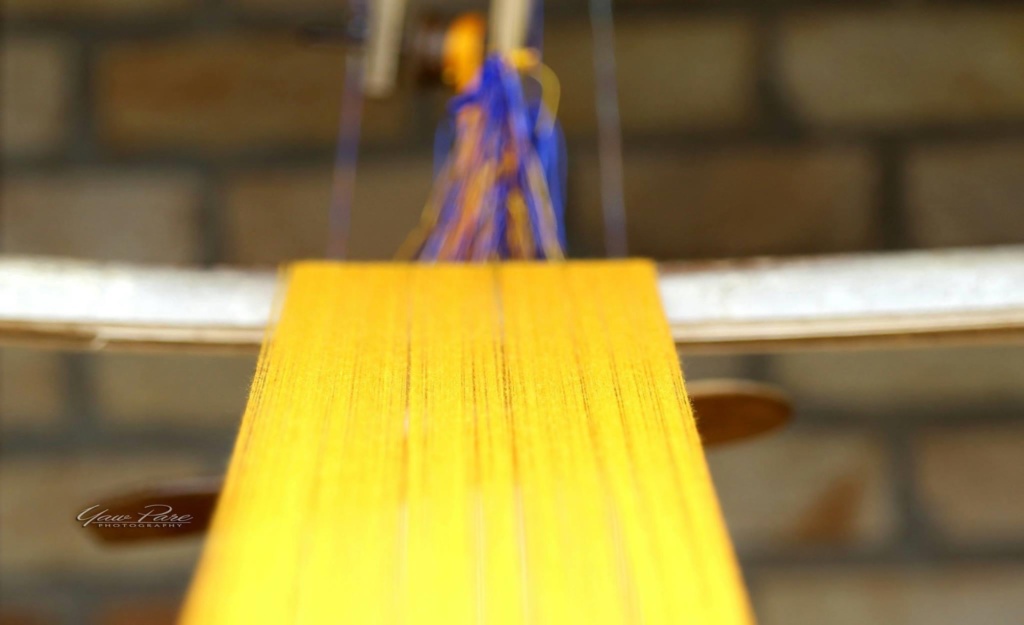
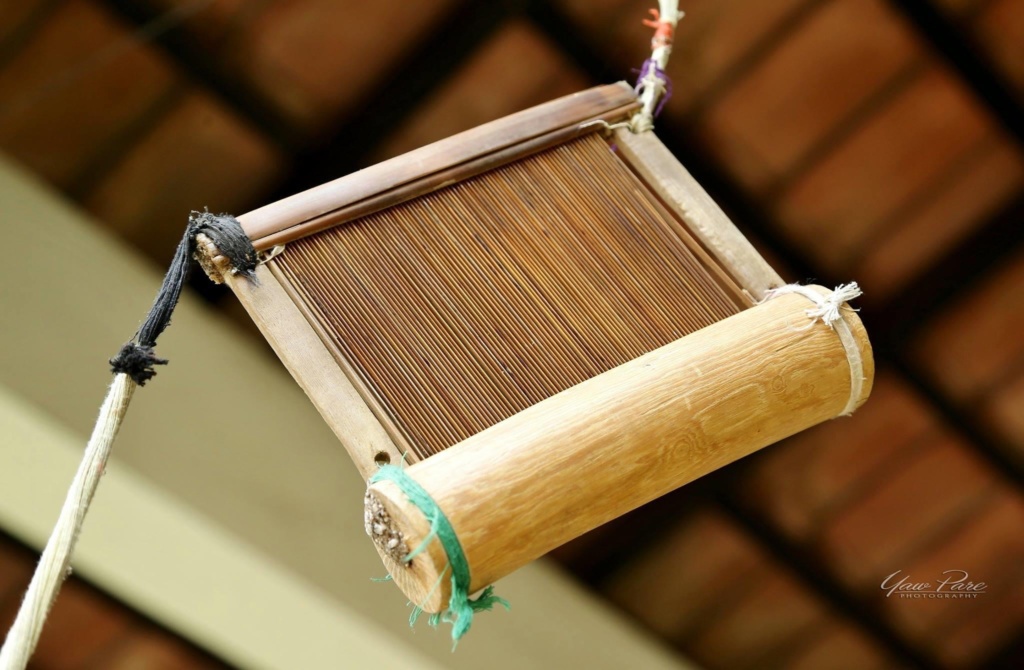
The kente cloth is woven on a narrow horizontal wood structure called a loom explains the Kente dedicated website, Kente Cloth. Weaving may take up to 2-3 weeks considering the length or availability of design. The male version is usually longer than the female. A man’s kente cloth may consist of 24 strips and measures 5×8 feet. The woman’s two-piece cloth may consist of 8-12 strips for each piece.
A heddle is an integral part of a loom. Each thread in the warp passes through a heddle, which is used to separate the warp threads for the passage of the weft.
In weaving the kente, the warp threads are moved up or down by the shaft. This is achieved because each thread of the warp goes through a heddle on a shaft.

When the shaft is raised the heddles are too, and thus the warp threads threaded through the heddles are raised. Heddles can be either equally or unequally distributed on the shafts, depending on the pattern to be woven.
The cloth is woven in narrow strip (called ntomaban or bankuo) that is about 3-5 inches wide and about 5-6 feet long.
Several strips are sewn together to make a wider piece of cloth for both men and women.
Popular Designs
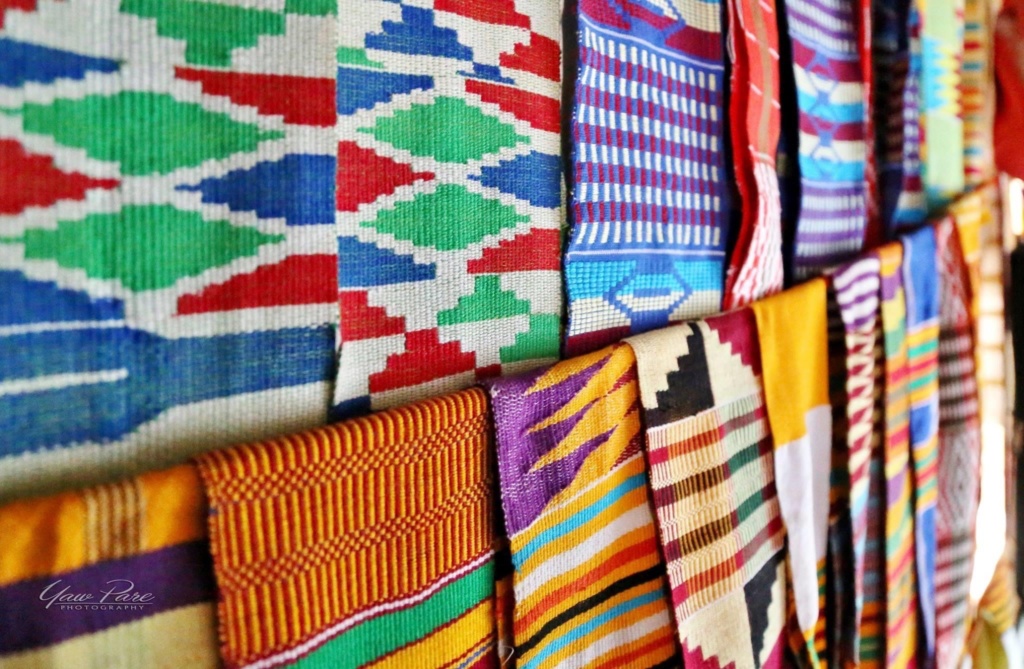
Several kente designs have become a hit and are admired by most people. These vintage designs are relatively expensive as compared to others. For example, the “Fatia Fata Nkrumah” which was commissioned in honour of the marriage between Helena Ritz Fathia and Ghana’s first President Osagyefo Dr Kwame Nkrumah is a symbol of unity and strong statement against racial discrimination.
Colours and their meanings

The colours of Kente also have various meanings.
Black – Maturation, intensified spiritual energy
Blue – Peacefulness, harmony and love
Green – Vegetation, planting, harvesting, growth, spiritual renewal
Gold – Royalty, wealth, high status, glory, spiritual purity
Grey – Healing and cleansing rituals; associated with ash
Maroon – mother earth; associated with healing
Pink – Feminine aspects of life; a mild, gentle aspect of red
Purple – Feminine aspects of life; usually worn by women
Red – Political and spiritual moods; bloodshed, sacrificial rites and death
Silver – Serenity, purity, joy; associated with the moon
White – purification, sanctification rites and festive occasions
Yellow – Preciousness, royalty, wealth, and fertility