


Telecommunications is, by global habit, an industry that men run.
Spectrum auctions, tower deals and fibre contracts have historically been negotiated by men in grey suits, and the executive suites of most operators reflect that.
Ghana is a partial exception, and an instructive one.If you’ve made a phone call, sent mobile money, or registered for a Ghana Card in the last few years, odds are a woman had a hand in making that possible.
Ghana’s telecommunications sector, an industry that’s historically been run by men almost everywhere else in the world, looks different here.
Here are 13 of the women behind that difference
Sylvia Owusu-Ankomah
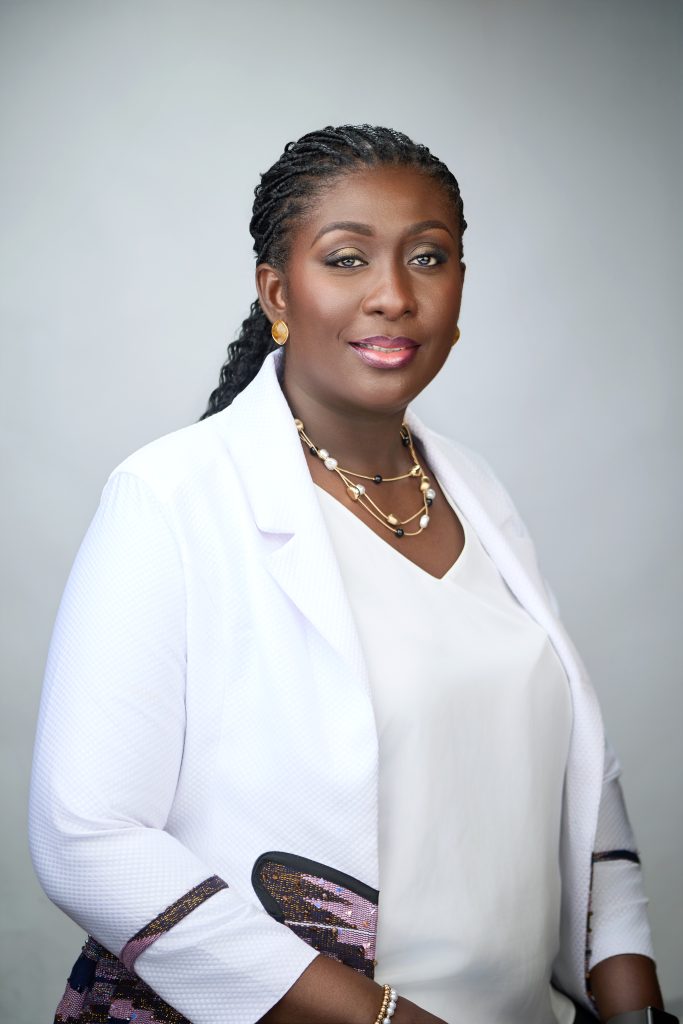
She runs the Ghana Chamber of Telecommunications, the industry’s collective voice, representing phone and internet companies as they negotiate with government over rules that affect your monthly data bill.
Patricia Obo-Nai
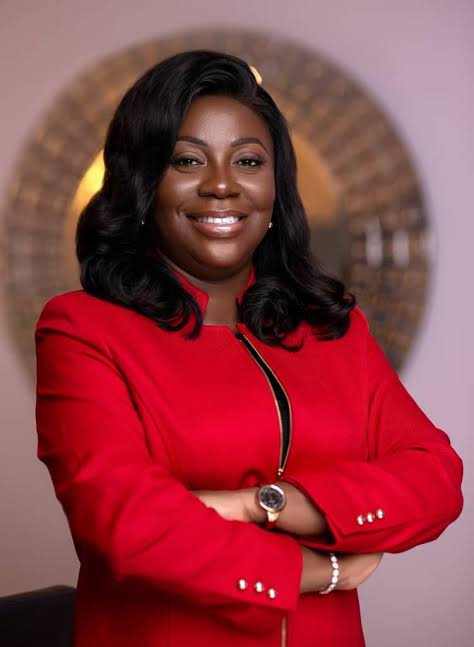
Trained as an engineer, she spent more than 20 years at Vodafone Ghana before becoming its first Ghanaian CEO. When the company rebranded as Telecel Ghana, she was the one who led it through that change, and she’s still running it today.
Adwoa Afriyie Wiafe
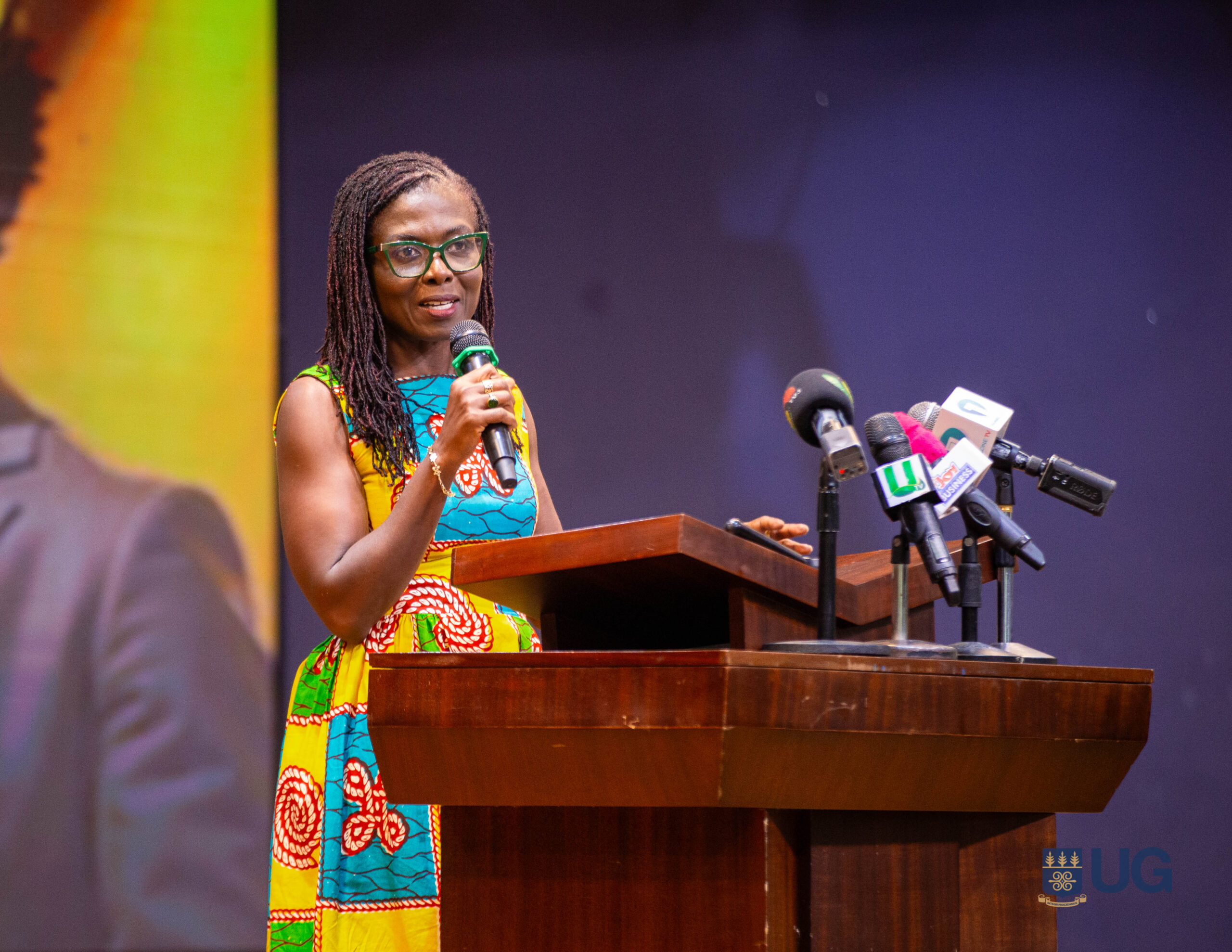
Adwoa’s path ran from international law into corporate roles and then telecoms. She now leads sustainability at MTN Ghana, handling the company’s relationship with regulators and its sustainability commitments.
Angela Mensah-Poku
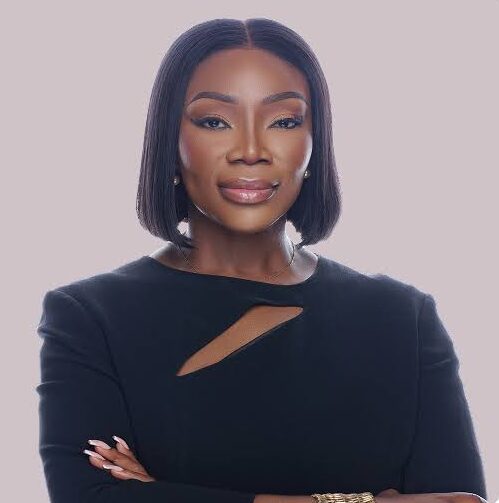
Also at MTN, she runs the side of the business that sells connectivity and cloud services to other companies. If you’ve ever wondered how a bank or a hospital gets its internet and data systems set up, this is the kind of work she oversees.
Lucy Quist

She made history as the first Ghanaian woman to run a multinational telecom operator in the country. Years later, she’s still one of the people other tech and business leaders point to when they talk about who shaped the industry.
Ursula Owusu-Ekuful

As Ghana’s Minister for Communications and Digitalisation from 2017 to 2025, she was behind some of the biggest, and most debated, digital projects in the country’s recent history: the Ghana Card rollout, SIM re-registration, and new cybersecurity rules. People argued about how well those programs were carried out. Almost nobody argues that they didn’t change the country.
Estelle Akofio-Sowah
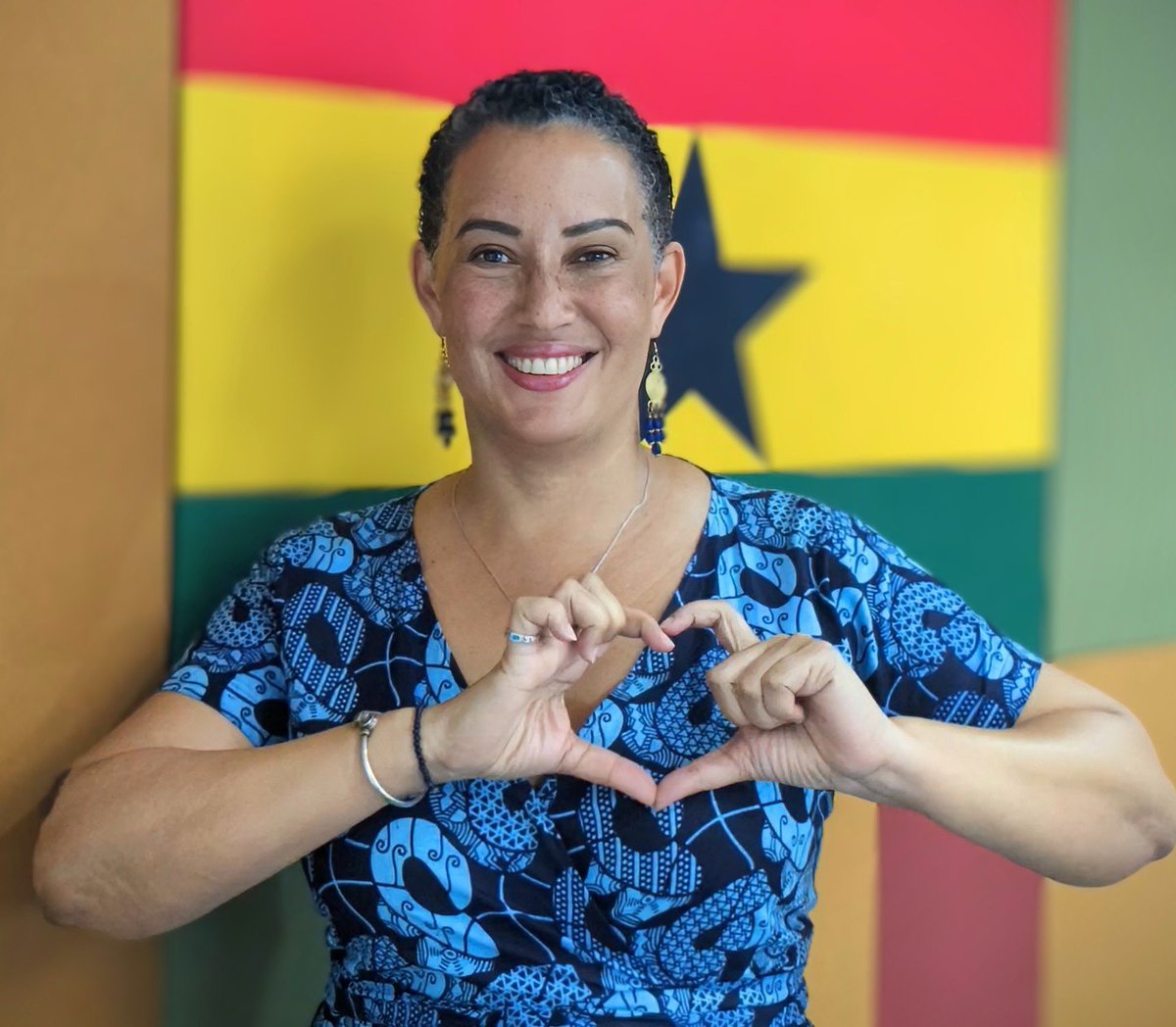
Her career is basically a timeline of how the internet arrived in Ghana: she started at BusyInternet, one of the country’s early internet service providers, moved to Google, and now works on digital infrastructure across the whole continent.
Ethel Cofie
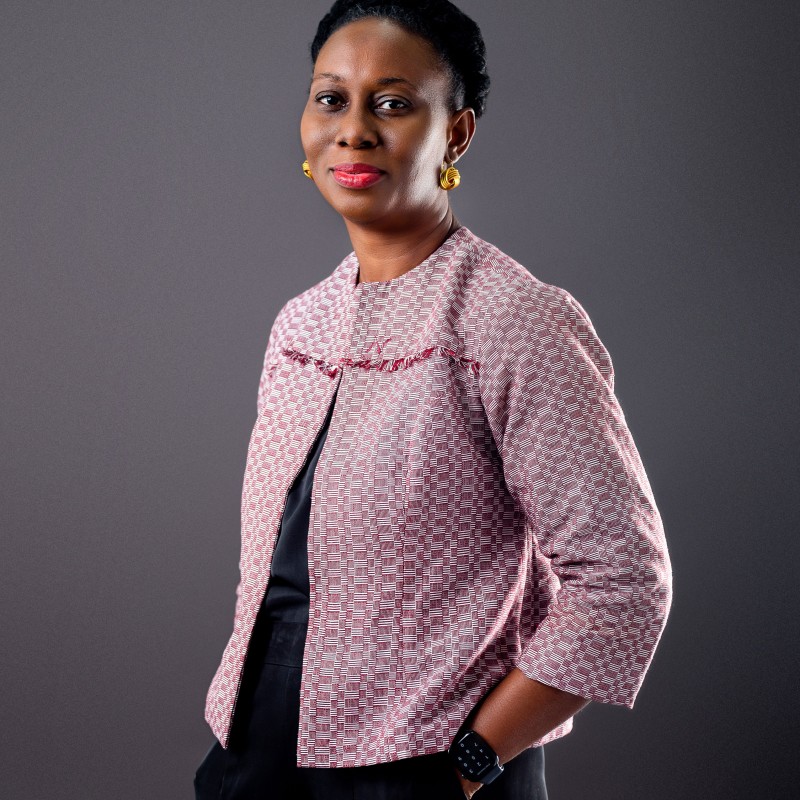
She founded Women in Tech Africa, an organisation built around a simple problem: not enough women were getting into tech careers. She’s spent years working to change that math.
Angela Kyerematen-Jimoh
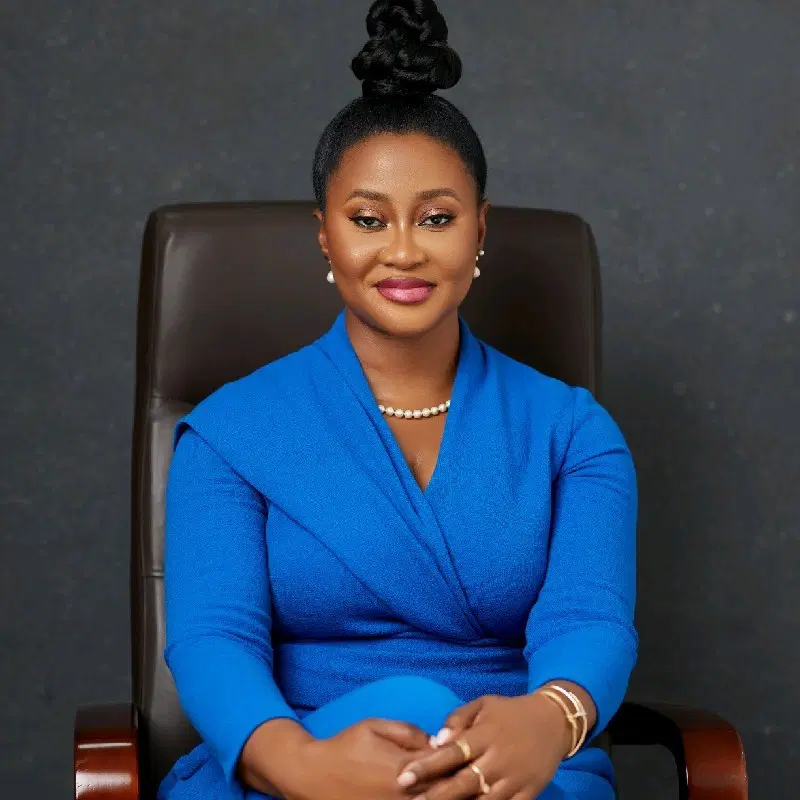
The founder and CEO of BrainWave AfricaTech previously ran IBM’s operations across North, East and West Africa and led Microsoft’s digital transformation work for the continent, the kind of résumé that means she’s helped decide how two of the world’s biggest tech companies actually operate in Africa.
Yvette Adounvo Atekpe
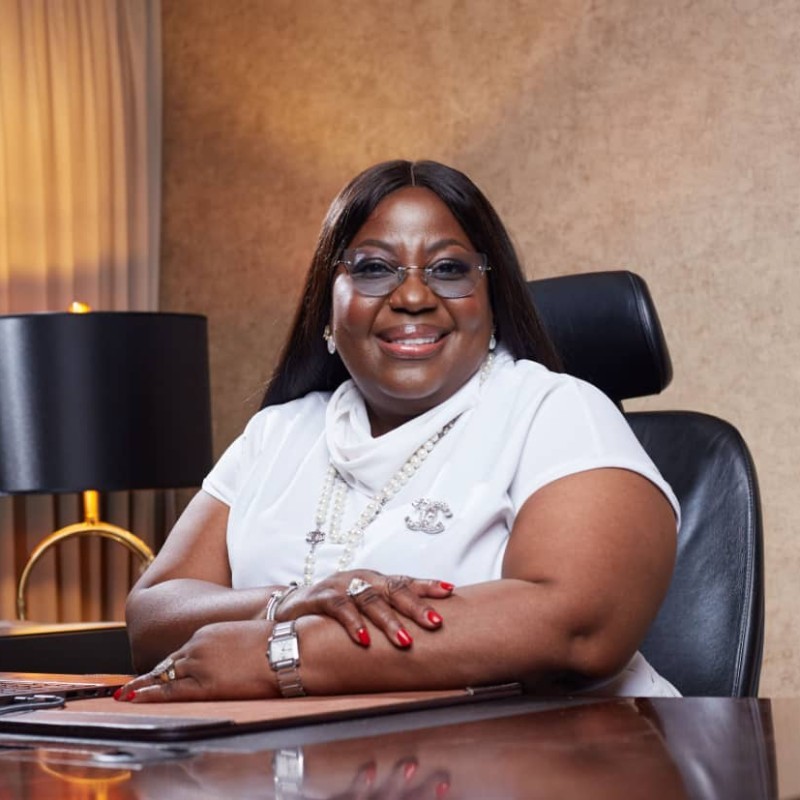
She’s spent her career helping businesses get connected, literally, pushing companies across the region to adopt the cloud and internet infrastructure they need to compete in a digital economy.
Clara B. Arthur
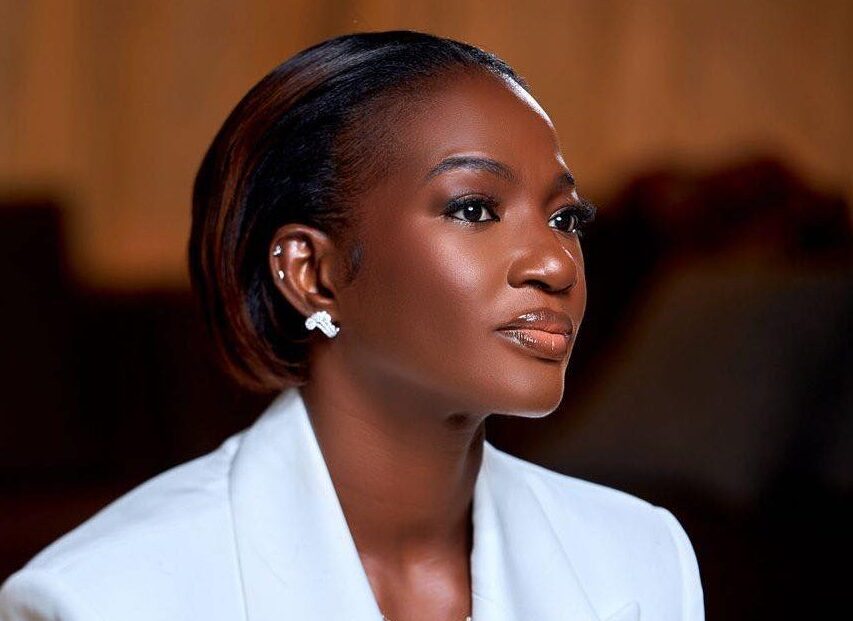
As CEO of GhIPSS, she oversees the system that lets your mobile money and bank transfers actually work across different providers. It’s not a household name, but it’s the reason your MTN Mobile Money can talk to someone else’s bank account.
Regina Honu

Through Soronko Solutions, she’s spent over a decade teaching young Ghanaians to code. If Ghana’s tech industry has a next generation, a good number of them likely learned their first lines of code from a program she built.
Mrs. Etta Mosore
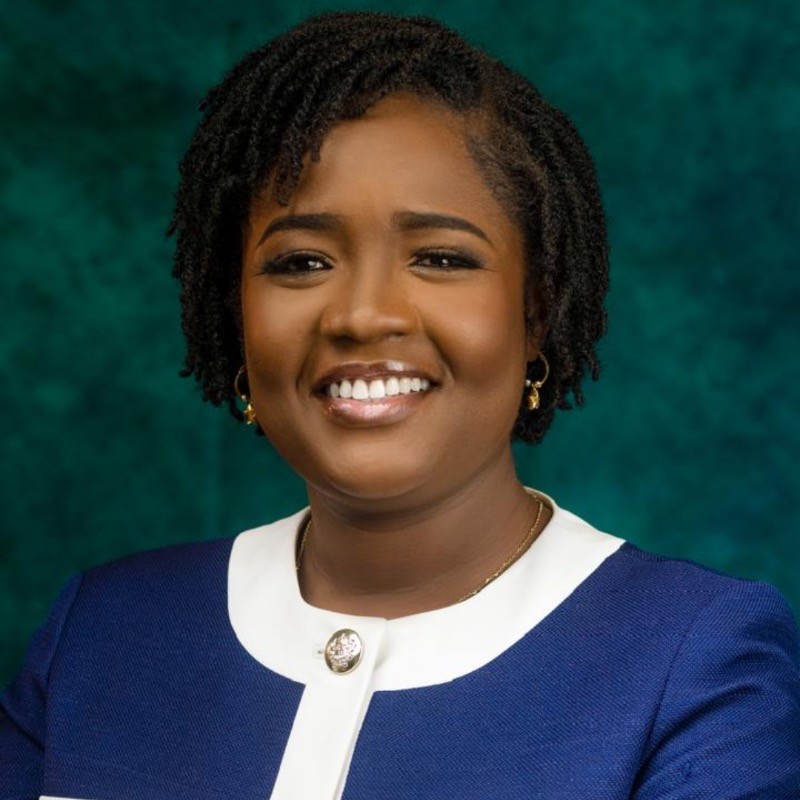
Mrs. Mosore brings more than a decade of experience across the public and private sectors, with expertise in telecommunications law, cybersecurity, corporate governance, arbitration, and commercial litigation. As Deputy Director General for Managerial Operations, she works with the Director General and the NCA Board to strengthen regulatory oversight, improve service delivery, and support innovation in Ghana’s communications sector.